
Private label casual clothing has become one of the fastest-growing segments in the global apparel industry. More brands—especially startups and DTC (direct-to-consumer) businesses—are choosing this model to enter the market quickly.
From my experience working with apparel brands and manufacturers, private label allows companies to launch products faster, reduce development complexity, and focus on branding and marketing instead of production.
In this guide, I’ll explain why private label casual clothing is growing so fast, what’s driving this trend, and how brands can take advantage of it.
Table of Contents
- Quick Answer
- What Is Private Label Casual Clothing?
- Why Private Label Is Growing Rapidly
- Key Advantages for Clothing Brands
- Private Label vs Custom Manufacturing
- How E-Commerce Accelerates Private Label Growth
- Common Private Label Product Categories
- Who Should Choose Private Label?
- Potential Challenges to Consider
- FAQ
- Final Thoughts
Quick Answer
Private label casual clothing is growing fast because it allows brands to:
| Benefit | Impact |
|---|---|
| faster product launch | reduces development time |
| lower costs | minimizes design and sampling expenses |
| scalability | easier to expand product lines |
| focus on branding | prioritize marketing and sales |
Many brands work with manufacturers like Bless Clothing to develop private label casualwear collections efficiently.
What Is Private Label Casual Clothing?
Private label clothing refers to products that are:
- manufactured by a third-party factory
- customized with your brand name and logo
- sold under your brand identity
In casual fashion, this typically includes:
- T-shirts
- hoodies
- sweatpants
- casual tops and bottoms
Unlike fully custom manufacturing, private label focuses on ready-to-produce styles with branding customization.
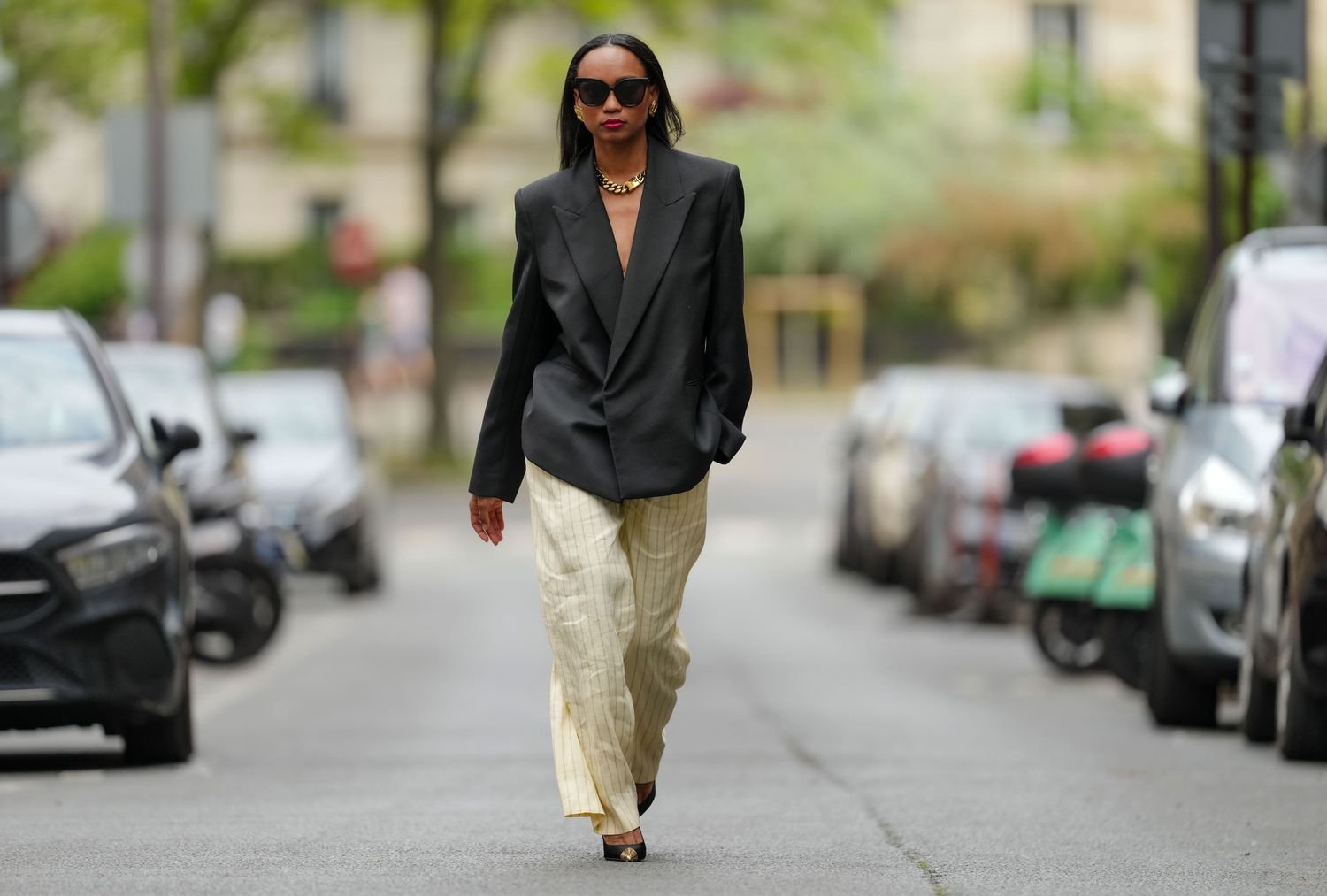
Why Private Label Is Growing Rapidly
Several market trends are driving the rapid growth of private label apparel.
Lower Barriers to Entry
New brands can start without complex product development.
Faster Time to Market
Private label products can be launched much faster than fully custom designs.
Growth of DTC Brands
Direct-to-consumer brands rely on speed and flexibility.
Social Media Influence
Platforms like Instagram and TikTok create demand for quick product launches.
Industry insights from McKinsey & Company highlight how speed and flexibility are reshaping fashion business models.
Key Advantages for Clothing Brands
Private label offers several strategic benefits.
| Advantage | Explanation |
|---|---|
| reduced development time | skip complex design stages |
| lower upfront investment | fewer sampling costs |
| consistent quality | standardized production |
| scalable production | easy to reorder popular items |
These advantages make private label especially attractive for startups.
Private Label vs Custom Manufacturing
Understanding the difference between private label and custom manufacturing is important.
| Factor | Private Label | Custom Manufacturing |
|---|---|---|
| design control | limited | full control |
| development time | fast | longer |
| cost | lower | higher |
| flexibility | moderate | high |
Private label is ideal for speed and simplicity, while custom manufacturing is better for unique product development.
How E-Commerce Accelerates Private Label Growth
E-commerce has significantly boosted private label fashion.
Online platforms allow brands to:
| Factor | Benefit |
|---|---|
| launch quickly | minimal setup time |
| test products | validate demand |
| scale fast | increase orders based on sales |
| reach global markets | expand customer base |
Private label works especially well for online-first brands.
Common Private Label Product Categories
Certain casualwear products perform particularly well in private label models.
| Category | Example Products |
|---|---|
| basic tops | T-shirts, polos |
| outerwear | hoodies, sweatshirts |
| bottoms | joggers, sweatpants |
| essentials | everyday casual sets |
These products have consistent demand and simple production processes.
Who Should Choose Private Label?
Private label is not for every brand, but it works well in specific situations.
Best for:
- startup clothing brands
- influencers launching fashion lines
- e-commerce businesses
- brands testing new markets
Not ideal for:
- brands focused on unique design innovation
- luxury or high-fashion labels
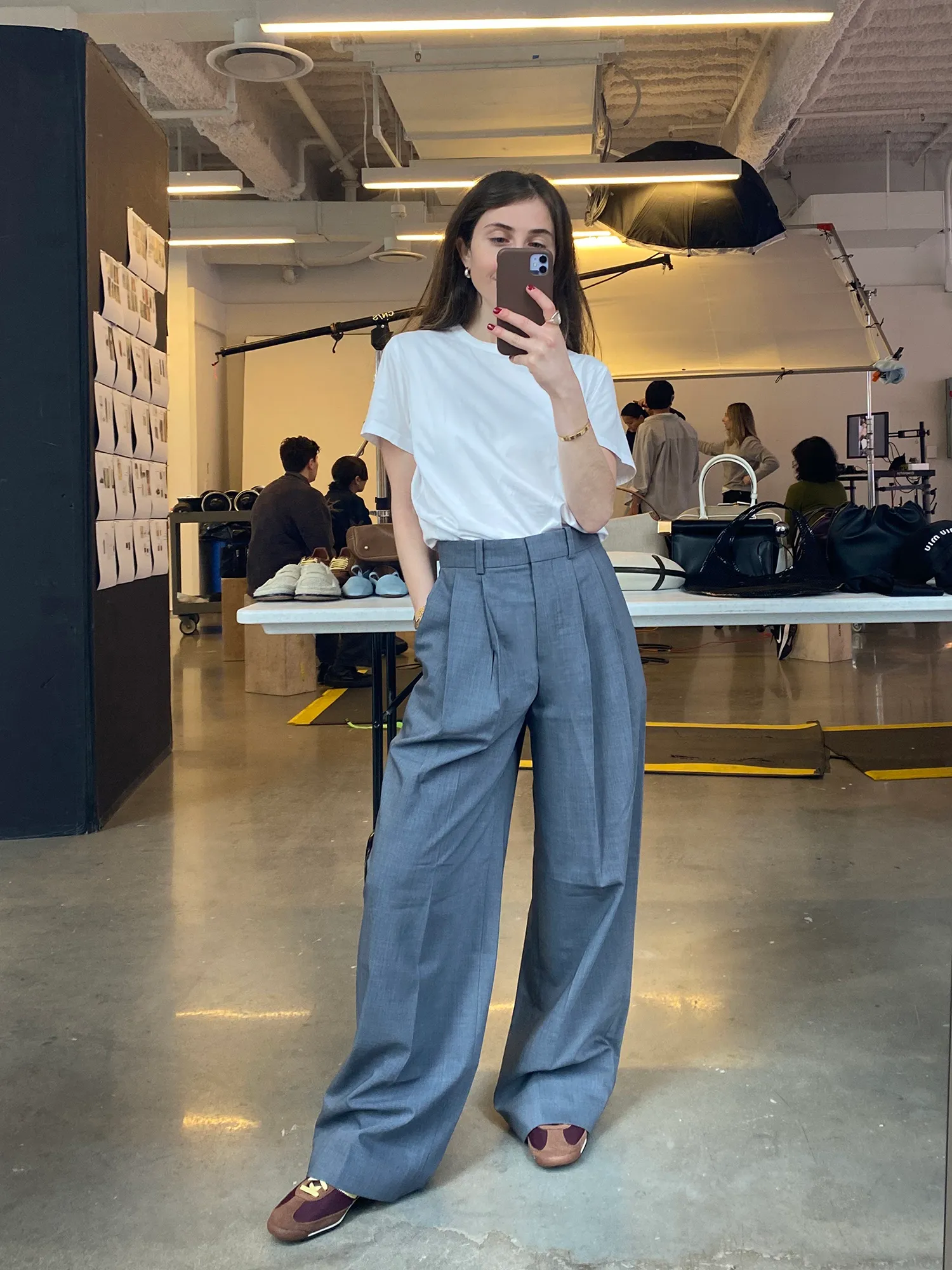
Potential Challenges to Consider
While private label offers many benefits, there are some limitations.
| Challenge | Explanation |
|---|---|
| limited customization | fewer design options |
| competition | many brands use similar products |
| brand differentiation | harder to stand out |
Brands should focus on branding, marketing, and positioning to overcome these challenges.
FAQ
What is private label clothing?
Private label clothing is produced by manufacturers and sold under your brand name.
Is private label good for beginners?
Yes. It is one of the easiest ways for new brands to enter the apparel market.
Can private label products be customized?
Yes, but customization is usually limited to branding and minor design changes.
How fast can private label clothing be launched?
Products can often be launched within a few weeks, depending on production timelines.
Final Thoughts
Private label casual clothing is growing fast because it aligns perfectly with modern fashion business needs.
It offers:
- speed
- flexibility
- lower costs
- scalability
For clothing brands looking to enter the market quickly, private label provides a practical and effective solution.
If you're planning to launch your own private label casualwear collection, you can explore manufacturing solutions at Bless Clothing.
Working with the right partner can help you build a strong brand while simplifying the production process.