
The fashion industry has never been more competitive.
Every day, new clothing brands launch online, social media platforms introduce new trends, and consumers are exposed to thousands of products from around the world.
So how do successful brands stand out?
The answer is positioning.
I've worked with startup apparel brands, private label businesses, and growing fashion companies, and one thing I've noticed is that brands with clear positioning often grow faster than brands that try to appeal to everyone.
In this guide, I'll explain how to position your clothing brand effectively, how to differentiate yourself from competitors, and how strong positioning can support long-term growth.
Table of Contents
- Quick Answer
- What Is Brand Positioning?
- Why Positioning Matters More Than Ever
- 1. Understand Your Target Customer
- 2. Identify Your Unique Selling Proposition
- 3. Choose the Right Market Segment
- 4. Build a Consistent Brand Identity
- 5. Focus on Product Differentiation
- 6. Create a Clear Brand Message
- 7. Align Product Quality with Positioning
- 8. Use Pricing Strategically
- 9. Build Trust Through Consistency
- 10. Support Positioning with Reliable Manufacturing
- How Bless Clothing Helps Brands Build Strong Positioning
- Strong vs Weak Brand Positioning
- FAQs
- Final Thoughts
Quick Answer
To position your clothing brand successfully:
- Understand your target audience
- Define a unique selling proposition (USP)
- Choose a clear market segment
- Build a consistent brand identity
- Deliver reliable product quality
- Communicate a focused brand message
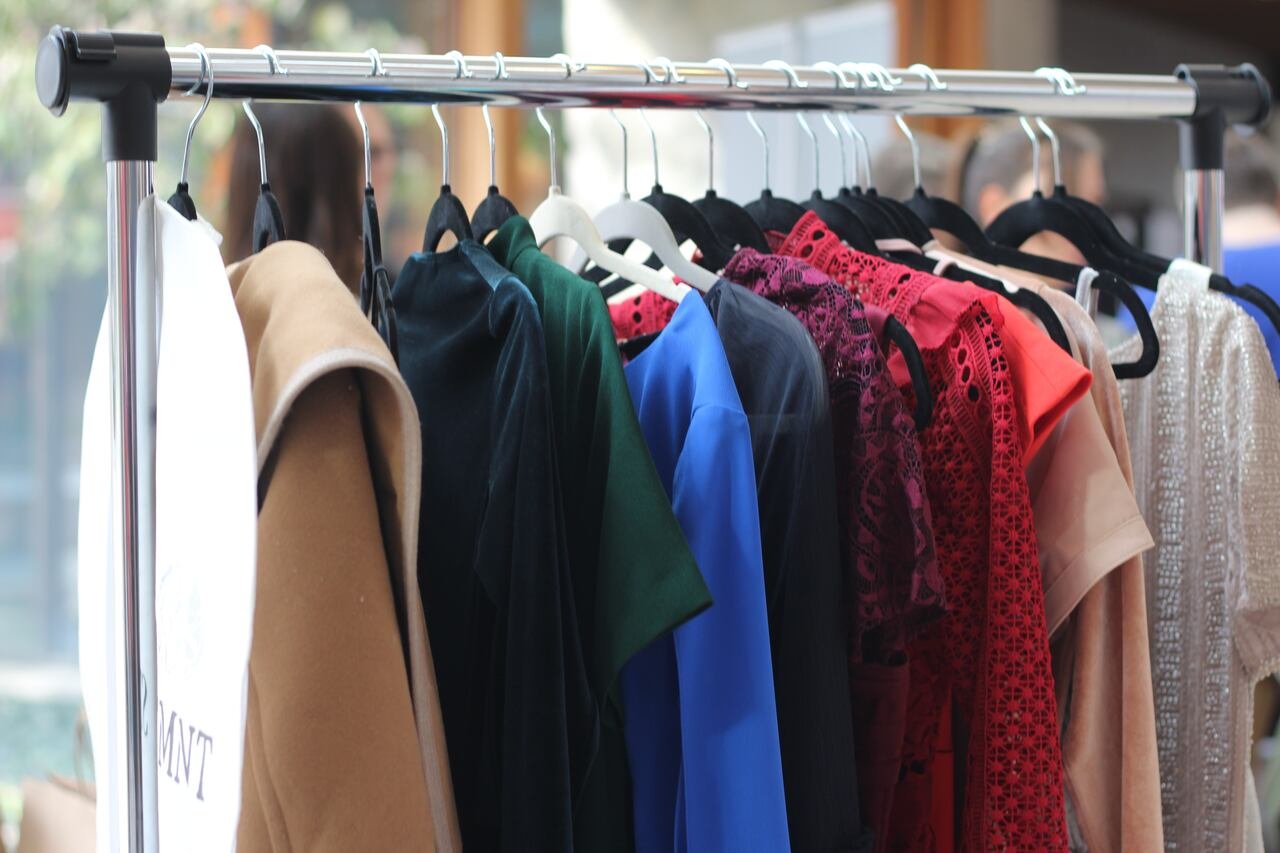
Brands that stand for something specific are often easier for customers to remember and trust.
👉 Bless Clothing helps fashion brands develop products that align with their market positioning through sourcing, development, and private label manufacturing.
What Is Brand Positioning?
Brand positioning is how customers perceive your brand compared to competitors.
It's the answer to a simple question:
Why should someone buy from your brand instead of another?
Examples of Positioning
| Positioning Type | Example |
|---|---|
| Premium Quality | Luxury apparel |
| Sustainability | Eco-friendly fashion |
| Performance | Athletic wear |
| Streetwear Culture | Urban fashion |
| Minimalist Design | Everyday essentials |
Key Insight
Positioning is not what you say about your brand. It's what customers remember about your brand.
Why Positioning Matters More Than Ever
Consumers have more choices than ever before.
Without positioning, brands often become interchangeable.
Benefits of Strong Positioning
| Benefit | Impact |
|---|---|
| Better recognition | Easier customer recall |
| Stronger differentiation | Less competition |
| Higher loyalty | More repeat purchases |
| Better marketing efficiency | Lower acquisition costs |
Positioning creates clarity for both customers and businesses.
1. Understand Your Target Customer
Positioning begins with knowing exactly who you're serving.
Questions to Ask
- Who is the customer?
- What are their interests?
- What price range do they prefer?
- What problem does your product solve?
Comparison
| Customer-Focused Brand | Generic Brand |
|---|---|
| Stronger connection | Weak engagement |
| Better messaging | Confusing communication |
Brands that understand their audience create more relevant products.
2. Identify Your Unique Selling Proposition
Your USP is what makes your brand different.
Possible Differentiators
- Premium fabrics
- Sustainable production
- Unique fits
- Faster delivery
- Customization options
Example
| Generic Statement | Strong USP |
|---|---|
| High-quality clothing | Heavyweight garments designed for long-term durability |

Specific advantages are more memorable than broad claims.
3. Choose the Right Market Segment
Trying to serve everyone often weakens positioning.
Popular Fashion Segments
- Streetwear
- Activewear
- Luxury fashion
- Sustainable apparel
- Workwear
- Casual basics
Benefits
| Focused Segment | Broad Segment |
|---|---|
| Easier marketing | More competition |
| Clear identity | Less differentiation |
A narrower focus often creates stronger brand recognition.
4. Build a Consistent Brand Identity
Identity influences how customers perceive your brand.
Important Elements
- Logo
- Color palette
- Product photography
- Packaging
- Website design
Comparison
| Consistent Identity | Inconsistent Identity |
|---|---|
| Professional appearance | Confusing image |
| Better trust | Lower credibility |
Consistency reinforces positioning.
5. Focus on Product Differentiation
Products should support your brand promise.
Differentiation Examples
- Exclusive fabrics
- Signature fits
- Specialized construction
- Unique design language
Why It Matters
| Differentiated Product | Generic Product |
|---|---|
| Stronger demand | Easier comparison |
| Better memorability | Lower uniqueness |
Products often communicate positioning better than advertising.
6. Create a Clear Brand Message
Customers should understand your brand quickly.
Strong Messaging Characteristics
- Simple
- Consistent
- Customer-focused
- Easy to remember
Example
| Weak Message | Strong Message |
|---|---|
| Quality clothing for everyone | Premium essentials designed for everyday wear |
Clear messaging improves brand recognition.
7. Align Product Quality with Positioning
Positioning and quality must match.
Examples
| Positioning | Expected Quality |
|---|---|
| Premium | Superior materials and finishing |
| Affordable | Good value and reliability |
| Sustainable | Responsible sourcing |
Customers quickly notice when products fail to meet expectations.
Many textile suppliers follow standards supported by OEKO-TEX® to help maintain quality and safety.
8. Use Pricing Strategically
Pricing communicates brand value.
Price Positioning Examples
| Strategy | Customer Perception |
|---|---|
| Premium Pricing | Higher exclusivity |
| Mid-Market Pricing | Balanced value |
| Budget Pricing | Accessibility |
Price should reinforce—not contradict—your positioning.
9. Build Trust Through Consistency
Strong positioning requires consistent execution.
Areas of Consistency
- Product quality
- Customer service
- Delivery performance
- Brand messaging
Comparison
| Consistent Brand | Inconsistent Brand |
|---|---|
| Higher trust | Lower confidence |
| Better retention | Customer confusion |
Trust strengthens brand positioning over time.
10. Support Positioning with Reliable Manufacturing
Manufacturing quality directly affects brand perception.
Important Manufacturing Factors
- Fabric sourcing
- Quality control
- Production consistency
- Delivery reliability
Benefits
| Reliable Manufacturing | Inconsistent Manufacturing |
|---|---|
| Stronger reputation | Quality concerns |
| Better customer satisfaction | More complaints |
Operational excellence supports brand promises.
How Bless Clothing Helps Brands Build Strong Positioning
At Bless Clothing, we help brands transform positioning strategies into physical products.
Our Services Include
- Product development
- Fabric sourcing
- Sample development
- Quality control
- Private label manufacturing
- Production planning
Related Resources
Our goal is to help brands create products that support their market positioning and long-term growth.
Strong vs Weak Brand Positioning
| Strong Positioning | Weak Positioning |
|---|---|
| Clear identity | Generic identity |
| Defined audience | Broad audience |
| Consistent messaging | Mixed messages |
| Higher loyalty | Lower retention |
| Better differentiation | Increased competition |
FAQs
What is clothing brand positioning?
Brand positioning is how customers perceive your brand compared to competitors.
Why is positioning important?
Positioning helps customers understand what makes your brand unique and why they should choose it.
How can a new clothing brand stand out?
By focusing on a specific audience, developing a unique value proposition, and maintaining consistent branding.
Does product quality affect positioning?
Yes. Customers expect product quality to match the promises a brand makes.
How does Bless Clothing help with brand positioning?
Bless Clothing helps brands develop products, source materials, and manufacture apparel that aligns with their desired market position.
Final Thoughts
In today's crowded fashion market, visibility alone is not enough.
Brands that grow successfully often have:
- Clear positioning
- Strong products
- Consistent quality
- Reliable manufacturing
- Focused messaging
Positioning creates differentiation, and differentiation creates opportunity.
👉 If you're building or repositioning a clothing brand, visit Bless Clothing to learn more about our product development, sourcing, quality control, and private label manufacturing services.
Remember: customers may forget advertisements, but they remember brands that stand for something meaningful.