
Custom clothing is made according to your brand’s requirements, while wholesale clothing is purchased from an existing supplier catalog.
Custom manufacturing gives you more control over fabric, fit, construction, colors, and branding. Wholesale clothing is usually faster, simpler, and less expensive to launch.
From my experience working with clothing brands, neither option is automatically better. The right choice depends on your budget, timeline, customer demand, product strategy, and required level of differentiation.
Choose wholesale clothing to test demand quickly. Choose custom clothing when the product itself must represent your brand.
This guide compares both options and helps you select the safest sourcing model for your business.
Table of Contents
- Quick Answer
- What Is Custom Clothing
- What Is Wholesale Clothing
- Main Differences
- Advantages and Disadvantages
- Cost and MOQ
- Quality and Product Control
- Choose by Business Situation
- Use the Six-C Decision Framework
- Can You Combine Both Models
- Questions to Ask Suppliers
- Common Mistakes
- FAQ
- Conclusion
Quick Answer
The main difference is simple:
- Custom clothing is developed specifically for your brand.
- Wholesale clothing already exists and is purchased in bulk for resale.
| Factor | Custom Clothing | Wholesale Clothing |
|---|---|---|
| Product Design | Created for your brand | Selected from existing styles |
| Fabric Control | High | Low |
| Fit Control | High | Limited |
| Branding | Fully customizable | Basic or limited |
| MOQ | Usually higher | Often lower |
| Development Time | Longer | Shorter |
| Initial Risk | Higher | Lower |
| Product Difference | Strong | Limited |
| Reorder Speed | Depends on production | Often faster |
| Best For | Original brands | Market testing and fast resale |
My recommendation is:
- Choose wholesale for fast market testing.
- Choose private label for existing products with your branding.
- Choose custom manufacturing for original fits, fabrics, and construction.
- Use a hybrid model when you need both speed and brand differentiation.
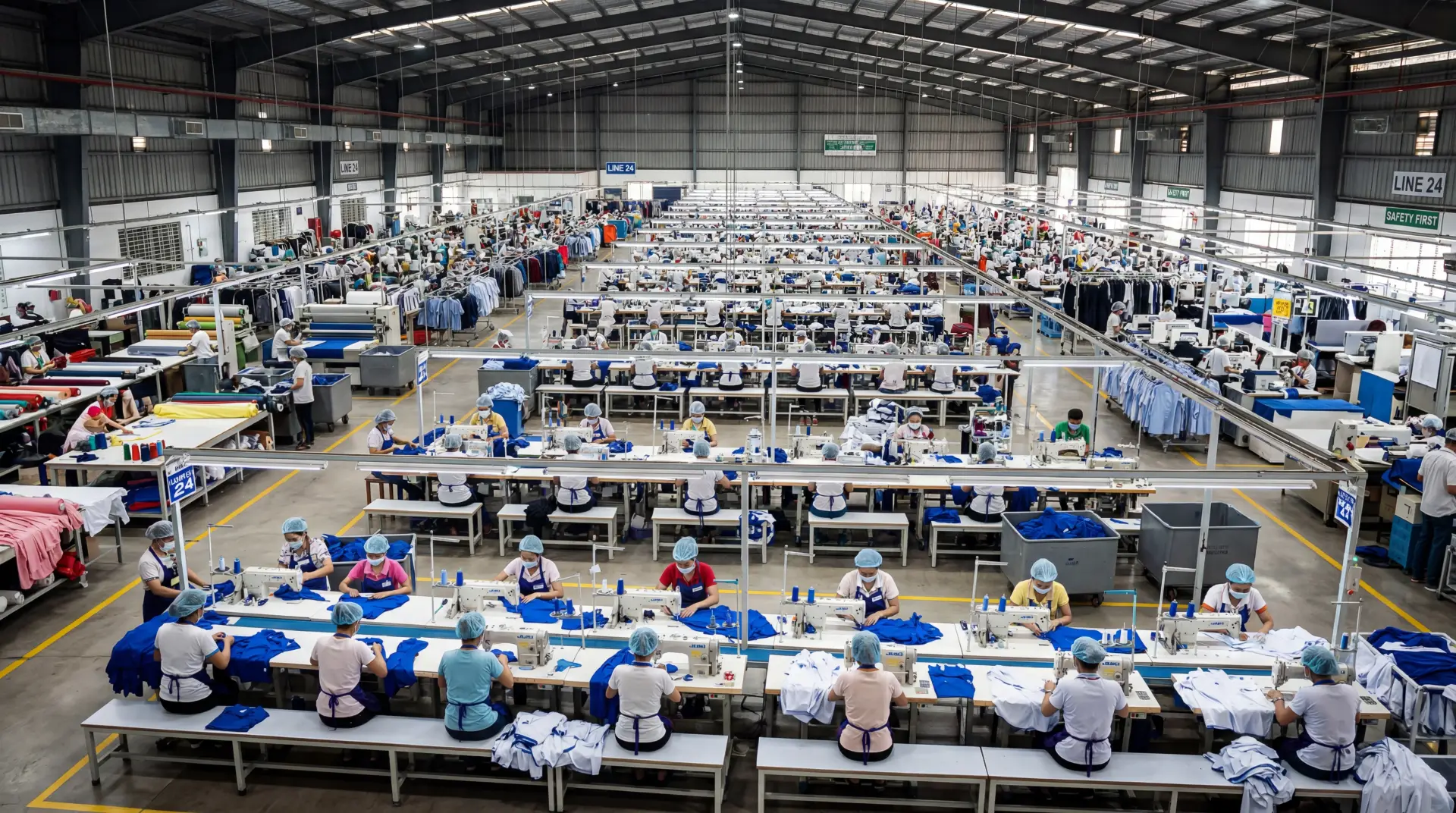
Brands can review suitable product categories through the Custom Clothing Products Catalog.
What Is Custom Clothing?
Custom clothing is developed according to specific brand requirements.
Customization may include:
- Original patterns
- Custom measurements
- Fabric composition and weight
- Brand colors
- Printing or embroidery
- Pockets and construction
- Zippers, buttons, and drawcords
- Main labels and care labels
- Packaging
Custom production may follow an OEM or ODM model.
OEM Manufacturing
OEM is suitable when your brand already has:
- Tech packs
- Measurement charts
- Artwork
- Fabric specifications
- Construction instructions
The manufacturer follows your completed product requirements.
ODM Manufacturing
ODM is suitable when you have:
- Product ideas
- Reference images
- Mood boards
- Target customers
- Target price ranges
The manufacturer helps develop patterns, materials, construction, and samples.
Brands can compare these services through OEM and ODM Manufacturing Services.
Best Uses for Custom Clothing
Choose custom manufacturing when:
- Fit is an important brand feature.
- You need a specific fabric.
- Existing products do not meet your requirements.
- You are building a long-term product line.
- Customers expect clear product differentiation.
- You plan to reorder successful styles.
What Is Wholesale Clothing?
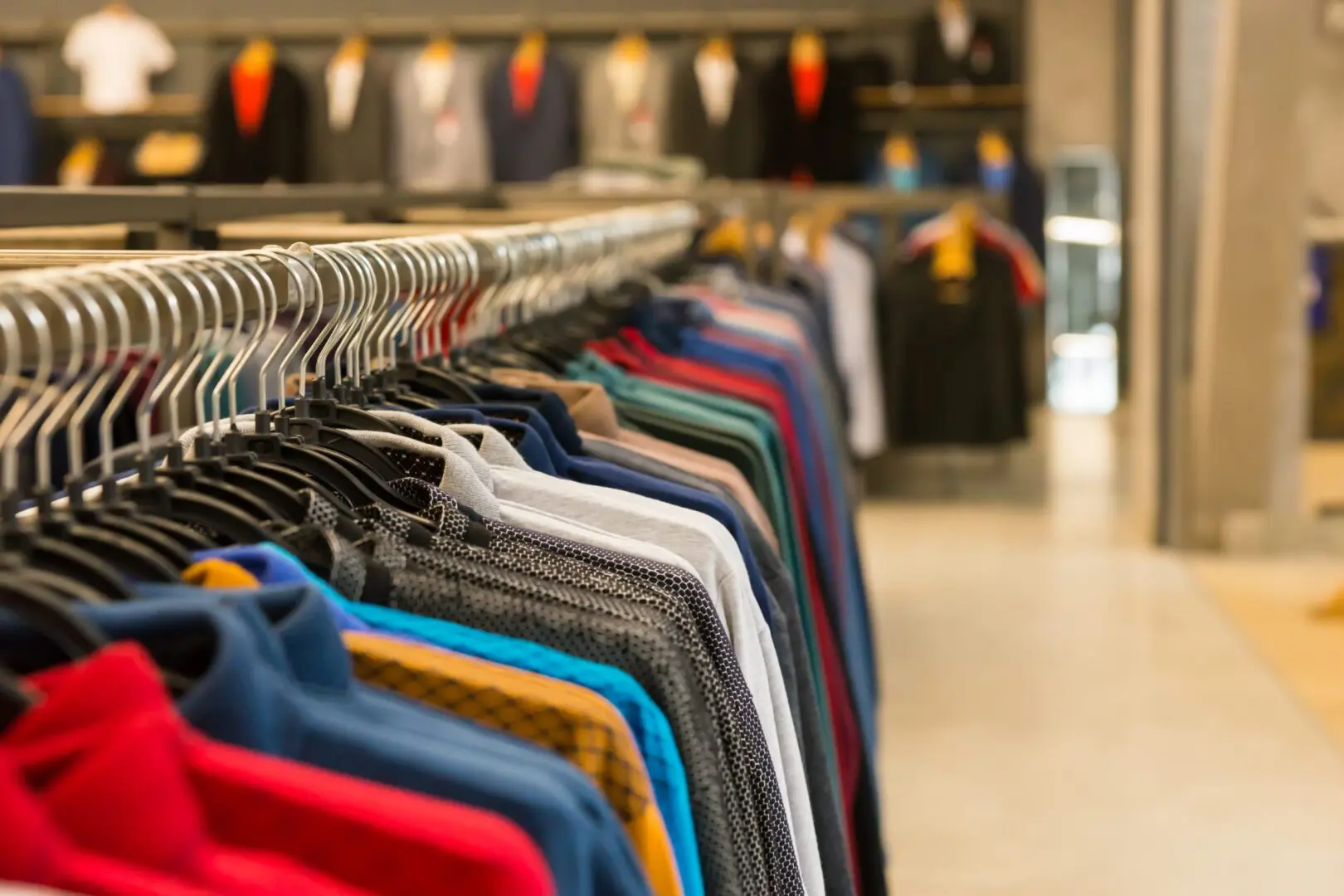
Wholesale clothing consists of existing products purchased in bulk from a supplier.
The supplier normally controls:
- Pattern
- Measurements
- Fabric
- Construction
- Available colors
- Available sizes
The buyer chooses from the products currently offered.
Some wholesale suppliers allow limited changes such as:
- Printed logos
- Embroidery
- Main labels
- Hang tags
- Packaging
When existing garments are sold under your own brand, the model may also be described as private label clothing.
Best Uses for Wholesale Clothing
Choose wholesale when:
- You need products quickly.
- You have limited product-development experience.
- You want to test a new category.
- You need a lower initial commitment.
- Original fit and construction are not essential.
- You operate a boutique or resale business.
Wholesale sourcing tests whether customers want the category. Custom manufacturing tests whether they want your specific product.
Main Differences
Product Development
Custom clothing requires:
- Product specifications
- Fabric selection
- Pattern development
- Sampling
- Revisions
- Final approval
Wholesale clothing normally requires:
- Catalog selection
- Available color confirmation
- Size selection
- Branding confirmation
- Order placement
Production Speed
Wholesale products may be available immediately or require only basic branding.
Custom products require more time because they must be developed and approved before bulk production.
Brand Differentiation
Custom clothing allows brands to control:
- Silhouette
- Fit
- Fabric
- Details
- Finishing
- Customer experience
Wholesale competitors may have access to the same products.
Inventory Risk
Wholesale orders can be useful for testing, but suppliers may discontinue a style or color.
Custom products require more investment, but successful styles can become long-term brand assets.
| Business Question | Better Direction |
|---|---|
| Do customers want this category? | Wholesale |
| Do customers want this exact design? | Custom |
| Do I need to launch quickly? | Wholesale |
| Is fit central to the brand? | Custom |
| Is the product mainly logo-based? | Private label |
| Do I need exclusive materials? | Custom |
| Is demand still uncertain? | Wholesale or small private label test |
| Is the product already proven? | Custom repeat production |
Advantages and Disadvantages
Custom Clothing Advantages
- Stronger product differentiation
- Greater fabric and fit control
- Original construction
- More branding options
- Better long-term repeat potential
- Products designed around your customer
Custom Clothing Disadvantages
- Longer development time
- Sample costs
- Higher technical requirements
- More production decisions
- Possible material MOQs
- Greater initial inventory risk
Wholesale Clothing Advantages
- Faster sourcing
- Simpler ordering
- Lower development cost
- Easier product testing
- Existing product photographs may be available
- Smaller initial commitment may be possible
Wholesale Clothing Disadvantages
- Limited product control
- Competitors may sell similar items
- Available colors and sizes may change
- Fabric cannot normally be modified
- Fit may not match your target customer
- Reordering depends on supplier inventory
Cost and MOQ
Wholesale clothing usually has lower development costs because the patterns and products already exist.
Custom clothing may involve:
- Pattern fees
- Sample fees
- Fabric development
- Custom color minimums
- Trim minimums
- Packaging setup
- Testing
However, unit price alone does not show the complete value.
A custom product may support a higher retail price when it provides:
- Better fit
- Exclusive fabric
- Original details
- Stronger brand recognition
- More consistent reorders
Understand Different MOQs
Custom projects may have separate minimums for:
- Garments
- Each color
- Fabric
- Zippers
- Labels
- Packaging
Wholesale suppliers may have:
- Minimum order value
- Minimum pieces per style
- Minimum packs
- Fixed size ratios
Wholesale reduces development investment. Custom manufacturing increases product control.
The better financial choice depends on which benefit your business needs.
Quality and Product Control
Wholesale products should still be inspected.
Before ordering, check:
- Fabric composition
- Measurements
- Stitching
- Shrinkage
- Colorfastness
- Available size range
- Reorder availability
For custom clothing, quality standards should be created during development.
Check:
- Approved fabric
- Final measurements
- Construction
- Logo placement
- Trims
- Wash performance
- Bulk consistency
- Packaging
Quality Comparison
| Quality Area | Wholesale | Custom |
|---|---|---|
| Fabric Selection | Supplier decides | Brand approves |
| Measurements | Existing standard | Custom standard |
| Sample Development | Usually unnecessary | Essential |
| Construction Changes | Limited | Possible |
| Bulk Inspection | Recommended | Essential |
| Repeat Consistency | Depends on stock | Based on approved standard |
Structured Quality Control Services can help compare bulk products with approved fabrics, measurements, construction, and packaging requirements.
Choose by Business Situation
New Brand With Limited Sales Data
Choose wholesale or private label.
This allows you to test:
- Product categories
- Colors
- Sizes
- Price points
- Customer interest
Avoid investing heavily in original patterns before you understand your customer.
Brand With a Proven Bestseller
Choose custom manufacturing.
You can improve the existing product through:
- Better fabric
- More accurate fit
- Exclusive colors
- Stronger construction
- Custom branding
Boutique or Multi-Brand Retailer
Choose wholesale.
Your main value comes from product selection, customer service, and merchandising rather than original manufacturing.
Premium Casualwear Brand
Choose custom manufacturing.
Premium customers are more likely to evaluate:
- Fabric feel
- Fit
- finishing
- durability
- product consistency
Event or Promotional Clothing
Choose wholesale or private label.
Speed and decoration are usually more important than original construction.
Brand With a Signature Product Idea
Choose OEM or ODM manufacturing.
A signature product is difficult to protect when it comes from a public wholesale catalog.
Use the Six-C Decision Framework
Use these six areas before choosing a sourcing model.
| Area | Question |
|---|---|
| Customer | Has customer demand been proven? |
| Control | How much product control is required? |
| Capital | How much can you safely invest? |
| Calendar | How soon must the products launch? |
| Complexity | How original is the product? |
| Continuity | Will you need consistent repeat orders? |
Choose Wholesale When
- Customer demand is uncertain.
- Product control is not essential.
- Available capital is limited.
- The launch date is close.
- The product is simple.
- You are testing a category.
Choose Custom Clothing When
- Customer demand is supported by evidence.
- Fit and fabric matter.
- The budget supports development.
- The timeline allows sampling.
- The product needs original features.
- Repeat production is important.
Quick Scoring Tool
Give one point for every “yes.”
| Question | Yes or No |
|---|---|
| Do you need an original fit? | |
| Do you require a specific fabric? | |
| Is product differentiation important? | |
| Can your budget support samples? | |
| Can your schedule support development? | |
| Do you expect repeat production? |
0–2 points: Wholesale may be more suitable.
3–4 points: Consider private label or semi-custom production.
5–6 points: Custom clothing is likely the stronger option.
Can You Combine Both Models?
Yes. Many brands use wholesale and custom production together.
A hybrid strategy could include:
- Wholesale products for market testing
- Private label products for basic essentials
- Custom products for signature styles
- Wholesale accessories supporting a custom collection
Example Hybrid Collection
| Product | Sourcing Model |
|---|---|
| Basic T-shirt | Private label |
| Signature overshirt | Custom |
| Simple cap | Wholesale |
| Custom casual pants | OEM |
| Seasonal accessories | Wholesale |
This approach can reduce development risk without making the whole collection look generic.
Recommended Development Path
- Test the category with wholesale products.
- Collect customer feedback and sales data.
- Identify the strongest product.
- Improve it through custom manufacturing.
- Build repeat orders around the proven style.
Wholesale can help you discover demand. Custom manufacturing can help you own the opportunity.
Questions to Ask Suppliers
Questions for Wholesale Suppliers
- Are the products currently in stock?
- Can the same style be reordered?
- Can sizes and colors be mixed?
- What is the minimum order?
- Can labels be replaced?
- Can logos be added?
- What fabric is used?
- Are measurements available?
- Can a sample be purchased?
- Will the product be offered to other brands?
Questions for Custom Manufacturers
- Do you offer OEM or ODM services?
- What information is needed to begin?
- What is the MOQ per style and color?
- Is there a separate fabric MOQ?
- How much does sample development cost?
- How are revisions handled?
- Will bulk fabric match the sample?
- Which inspections are completed?
- Can the product be repeated consistently?
- Which items are excluded from the quotation?
Custom fabrics can be reviewed through the Fabric Catalog.
Common Mistakes
Choosing Wholesale but Expecting Full Customization
Existing wholesale garments normally cannot support major changes to patterns, construction, or fabric.
Choosing Custom Manufacturing Too Early
A brand may invest in an original collection before proving customer demand.
Comparing Only Unit Prices
Custom and wholesale quotations may include different products, services, packaging, and shipping terms.
Skipping Wholesale Sample Checks
An existing product still needs to be checked for fit, quality, fabric, and washing.
Assuming Custom Means Exclusive
Confirm whether your pattern, artwork, or product design will be used for other customers.
Ignoring Reorder Availability
Wholesale stock may sell out, while custom fabric may require a new production minimum.
Using Incorrect Product Labels
For clothing sold in the United States, review the FTC Clothing and Textiles Guidance before approving fiber, origin, identity, and care information.
Ignoring Delivery Terms
A wholesale or custom quotation may use different shipping terms.
The International Trade Administration Incoterms Guide explains how international trade terms divide costs, tasks, and risks.
FAQ
Is custom clothing better than wholesale clothing?
Custom clothing is better for product control and differentiation. Wholesale clothing is better for speed, simplicity, and early market testing.
Is wholesale clothing cheaper?
Wholesale normally has lower development costs because the products already exist. Final costs still depend on quantity, branding, shipping, and supplier terms.
Can I add my logo to wholesale clothing?
Many suppliers allow printing, embroidery, labels, or packaging. Major changes to fabric, fit, and construction are usually unavailable.
What is private label clothing?
Private label clothing uses an existing or semi-custom product sold under your brand name. It sits between standard wholesale and full custom manufacturing.
Does custom clothing require a tech pack?
A tech pack is recommended for OEM manufacturing. ODM manufacturers may help develop specifications from your ideas or references.
Which model is best for a startup?
Wholesale or private label is often safer when customer demand is uncertain. Custom manufacturing becomes more useful after you understand your strongest products.
Which model is best for a premium brand?
Custom manufacturing is usually more suitable when fabric, fit, construction, and consistency support the premium positioning.
Can wholesale clothing be high quality?
Yes. Quality depends on the supplier, material, construction, and inspection—not only the sourcing model.
Can custom clothing have a low MOQ?
Some manufacturers support flexible quantities, but custom fabrics, colors, trims, and packaging may have separate minimums.
Should I inspect wholesale products?
Yes. Check samples, measurements, materials, workmanship, labels, and packaging before placing a larger order.
Can Bless Clothing support both private label and custom production?
Bless Clothing supports brands with private labeling, OEM and ODM development, fabric sourcing, sampling, custom branding, bulk manufacturing, quality control, packaging, and international delivery.
Conclusion
Custom clothing and wholesale clothing solve different business problems.
Choose wholesale clothing when you need:
- Faster sourcing
- Lower development risk
- Existing products
- Market testing
- Simpler ordering
Choose custom clothing when you need:
- Original fit
- Specific fabrics
- Strong product differentiation
- Complete branding
- Repeatable signature products
From my experience, new brands should avoid treating this as a permanent choice.
Start with the model that matches your current evidence, budget, and timeline. Move toward greater customization when customer demand becomes clearer.
Wholesale is usually the faster way to enter a market. Custom clothing is the stronger way to build a product that belongs to your brand.
Bless Clothing helps casualwear brands move from private label testing to custom fabrics, approved samples, OEM and ODM production, quality control, branded packaging, and global shipping.