
Many clothing brands spend a lot of time searching for the lowest production price.
However, after working with apparel brands for years, I've learned that the most successful companies rarely jump from factory to factory. Instead, they build long-term manufacturing partnerships that help them improve product quality, reduce costs, and scale more efficiently.
A factory should not simply be viewed as a supplier.
The best manufacturers become strategic partners who understand your products, customers, quality expectations, and growth goals.
In this guide, I'll explain why long-term manufacturing partnerships matter and how they can create significant advantages for fashion brands.
Table of Contents
- Quick Answer
- What Is a Long-Term Manufacturing Partnership?
- Why Many Brands Struggle with Factory Changes
- 1. Better Product Consistency
- 2. Faster Production Processes
- 3. Lower Manufacturing Risks
- 4. Stronger Quality Control
- 5. More Competitive Pricing Over Time
- 6. Better Communication
- 7. Easier Product Development
- 8. More Reliable Delivery Schedules
- 9. Greater Flexibility During Growth
- 10. Stronger Supply Chain Stability
- How Bless Clothing Builds Long-Term Partnerships
- Partnership vs Factory Shopping
- FAQs
- Final Thoughts
Quick Answer
Long-term manufacturing partnerships help clothing brands:
- Improve product consistency
- Reduce production mistakes
- Lower manufacturing risks
- Increase production efficiency
- Strengthen supply chain reliability
- Support long-term growth
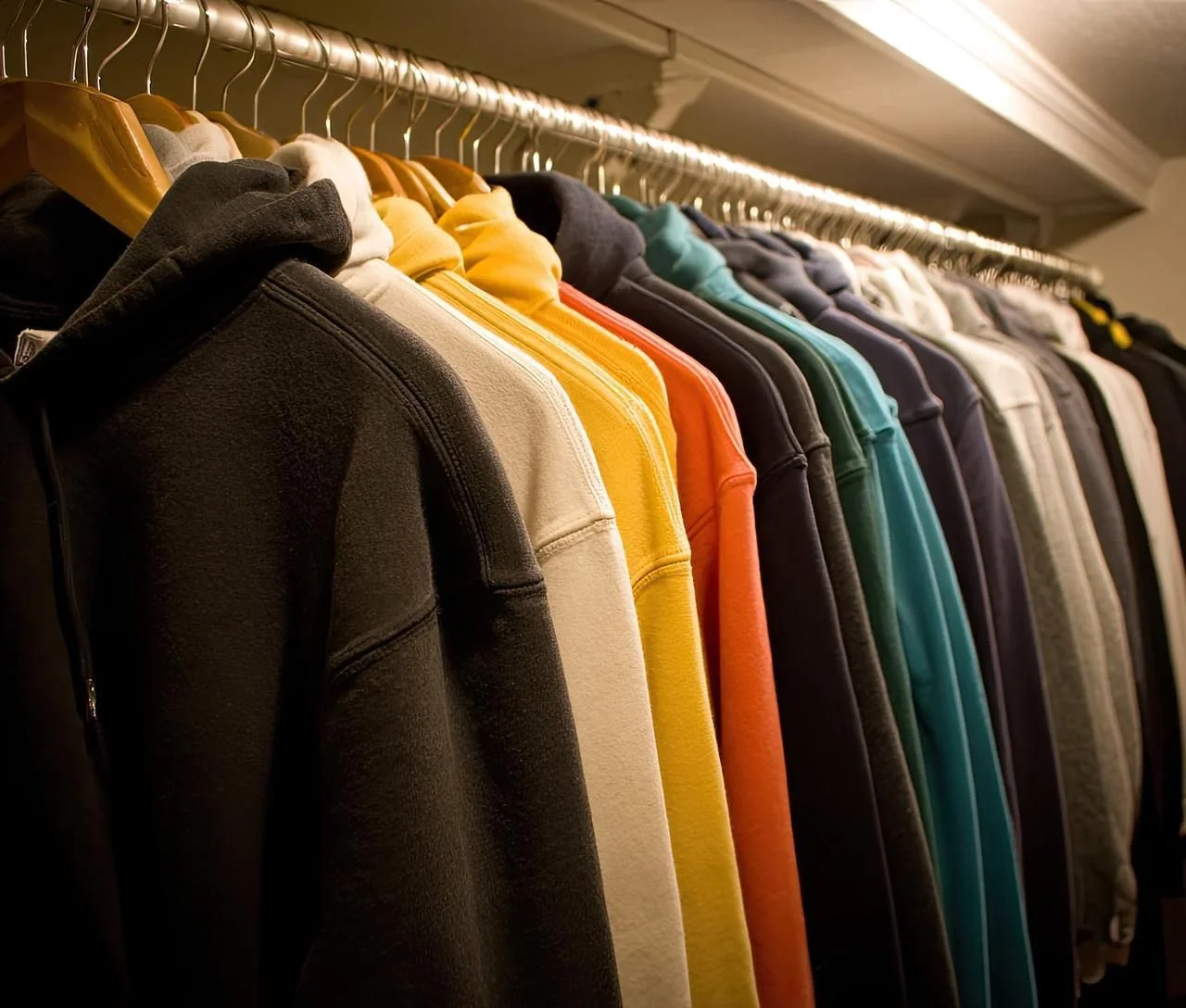
Brands that maintain stable factory relationships often scale faster and operate more efficiently than brands that constantly switch suppliers.
👉 Learn more about our manufacturing solutions at https://blessclothing.com/
What Is a Long-Term Manufacturing Partnership?
A long-term manufacturing partnership goes beyond placing occasional orders.
It involves ongoing collaboration between a clothing brand and a factory.
Characteristics of Strong Partnerships
- Shared business goals
- Consistent communication
- Ongoing product development
- Long-term planning
- Mutual trust
The factory becomes familiar with your products and standards, making production smoother over time.
Why Many Brands Struggle with Factory Changes
Changing factories may seem like an easy way to reduce costs.
However, frequent supplier changes often create new challenges.
Common Problems
| Issue | Impact |
|---|---|
| New production teams | More mistakes |
| Different materials | Product inconsistencies |
| New quality standards | Increased defects |
| Communication gaps | Delays |
Every factory transition creates a learning curve.
1. Better Product Consistency
Consistency is one of the biggest advantages of long-term partnerships.
When a factory has produced your garments multiple times, they understand:
- Fabric requirements
- Construction methods
- Fit standards
- Quality expectations
Comparison
| Long-Term Partner | New Factory |
|---|---|
| Familiar with product | Learning process required |
| Consistent output | Higher variation risk |
Consistency builds customer trust.
2. Faster Production Processes
Experienced production teams require less onboarding.
Benefits
- Faster sample development
- Faster approvals
- Faster production setup
- Faster problem resolution
Result
| Established Relationship | New Relationship |
|---|---|
| Shorter lead times | Longer setup periods |
Efficiency improves with experience.
3. Lower Manufacturing Risks
Every new factory introduces uncertainty.
Potential Risks
- Quality problems
- Delayed shipments
- Miscommunication
- Material sourcing issues
Why Partnerships Help
Long-term manufacturers already understand your expectations.
This reduces surprises during production.
4. Stronger Quality Control
Quality systems become more effective when manufacturers know the product.
Benefits
- Better defect prevention
- Faster inspections
- More accurate quality checks
Comparison
| Familiar Factory | New Factory |
|---|---|
| Knows quality standards | Learning expectations |
| Fewer mistakes | Higher defect risk |
Quality improves through repetition.
5. More Competitive Pricing Over Time
Many brands focus only on initial pricing.
However, long-term relationships often produce better overall value.
Why?
Factories may offer:
- Better planning
- Production priority
- Process improvements
- Reduced operational costs
Comparison
| Long-Term Partner | Constant Factory Switching |
|---|---|
| Lower total cost | Hidden transition costs |
| Better efficiency | Frequent disruptions |
The lowest quote isn't always the lowest long-term cost.
6. Better Communication
Communication becomes easier when teams work together regularly.
Improvements
- Faster responses
- Better understanding
- Fewer misunderstandings
- Improved collaboration
Key Insight
Most production problems start as communication problems.
Strong communication prevents costly mistakes.
7. Easier Product Development
Developing new products becomes faster with an experienced manufacturing partner.
Advantages
- Better technical support
- Faster sample revisions
- Fabric recommendations
- Construction improvements
Example
A factory that already understands your sizing and fit preferences can develop new products more efficiently.
8. More Reliable Delivery Schedules
Reliable delivery is critical for fashion brands.
Long-Term Partnership Benefits
- Production priority
- Better scheduling
- Capacity planning
- Reduced delays
Comparison
| Long-Term Partner | One-Time Factory |
|---|---|
| Predictable schedules | Less certainty |
| Better planning | Greater risk |
Reliable delivery supports customer satisfaction.
9. Greater Flexibility During Growth
As brands grow, production needs change.
Growth Challenges
- Larger orders
- More product categories
- Faster replenishment
Benefits of Partnerships
Factories already familiar with your business can adapt more easily.
This helps support scaling without sacrificing quality.
10. Stronger Supply Chain Stability
Supply chain disruptions affect every apparel business.
Stable Manufacturing Relationships Help
- Secure material sourcing
- Improve planning
- Reduce operational uncertainty
Many manufacturers follow internationally recognized standards such as https://www.oeko-tex.com/ to improve consistency and reliability throughout the supply chain.
Benefits
| Stable Supply Chain | Unstable Supply Chain |
|---|---|
| Better forecasting | Frequent disruptions |
| Reliable inventory | Stock shortages |
Supply chain stability supports long-term success.
How Bless Clothing Builds Long-Term Partnerships
At Bless Clothing, we focus on building lasting relationships with fashion brands.
Our goal is not simply to manufacture garments.
We aim to become a long-term production partner that supports business growth.
Our Services Include
- Product development
- Fabric sourcing
- Sampling
- Quality control
- Bulk production
- Production planning
Related Resources
-
Private Label Manufacturing:
https://blessclothing.com/private-label-clothing-manufacturer/ -
Quality Control Services:
https://blessclothing.com/quality-control/ -
Custom Fabric Development:
https://blessclothing.com/custom-fabric-solutions/
Through long-term collaboration, we help brands improve consistency, efficiency, and scalability.
Partnership vs Factory Shopping
| Long-Term Manufacturing Partnership | Constant Factory Switching |
|---|---|
| Better consistency | Product variation |
| Stronger communication | Frequent misunderstandings |
| Faster production | Longer setup times |
| Lower risk | More uncertainty |
| Better scalability | Growth limitations |
| Improved quality | Inconsistent results |
FAQs
Why are long-term manufacturing partnerships important?
They improve quality consistency, communication, production efficiency, and supply chain reliability.
Can long-term partnerships reduce costs?
Yes. While initial pricing may not always be the lowest, operational efficiency often lowers overall production costs.
How long does it take to build a strong factory relationship?
Most successful partnerships develop over multiple production cycles and continuous collaboration.
Should brands switch factories frequently?
Usually no. Frequent factory changes often increase risks, delays, and quality inconsistencies.
How does Bless Clothing support long-term partnerships?
We provide ongoing product development, quality management, sourcing support, and scalable manufacturing solutions for growing fashion brands.
Final Thoughts
The strongest fashion brands rarely succeed alone.
Behind most successful brands is a manufacturing partner that understands their products, standards, and growth plans.
Long-term partnerships help brands:
- Improve consistency
- Reduce risks
- Increase efficiency
- Strengthen supply chains
- Support growth
Over time, these advantages compound and create a significant competitive edge.
👉 If you're looking for a reliable apparel manufacturing partner, visit https://blessclothing.com/ to learn how Bless Clothing supports long-term brand growth through quality-focused apparel production.