
Launching a clothing brand is exciting, but one of the most important decisions you'll make is choosing the right private label clothing manufacturer.
A great manufacturer can help you develop high-quality products, scale your business, and build a strong brand reputation. A poor manufacturing partner, on the other hand, can lead to delays, quality issues, and unhappy customers.
Having worked with startups, e-commerce brands, retailers, and fashion entrepreneurs, I've seen firsthand what separates reliable manufacturers from risky suppliers.
In this guide, I'll explain exactly how to choose a private label clothing manufacturer, what questions to ask, and how to avoid costly mistakes.
Table of Contents
- Quick Answer
- What Is a Private Label Clothing Manufacturer?
- Why Choosing the Right Manufacturer Matters
- 1. Define Your Brand Requirements First
- 2. Evaluate Manufacturing Experience
- 3. Review Product Categories and Capabilities
- 4. Check Fabric Sourcing Options
- 5. Understand Minimum Order Quantities
- 6. Evaluate Sampling Services
- 7. Assess Quality Control Systems
- 8. Review Communication and Support
- 9. Compare Lead Times and Production Capacity
- 10. Request References and Past Work
- Private Label Manufacturer Comparison Checklist
- How Bless Clothing Supports Private Label Brands
- FAQs
- Final Thoughts
Quick Answer
The best private label clothing manufacturer should offer:
- Strong product quality
- Reliable communication
- Flexible MOQs
- Fabric sourcing support
- Sampling services
- Consistent production standards
- Transparent lead times
- Scalable manufacturing capacity
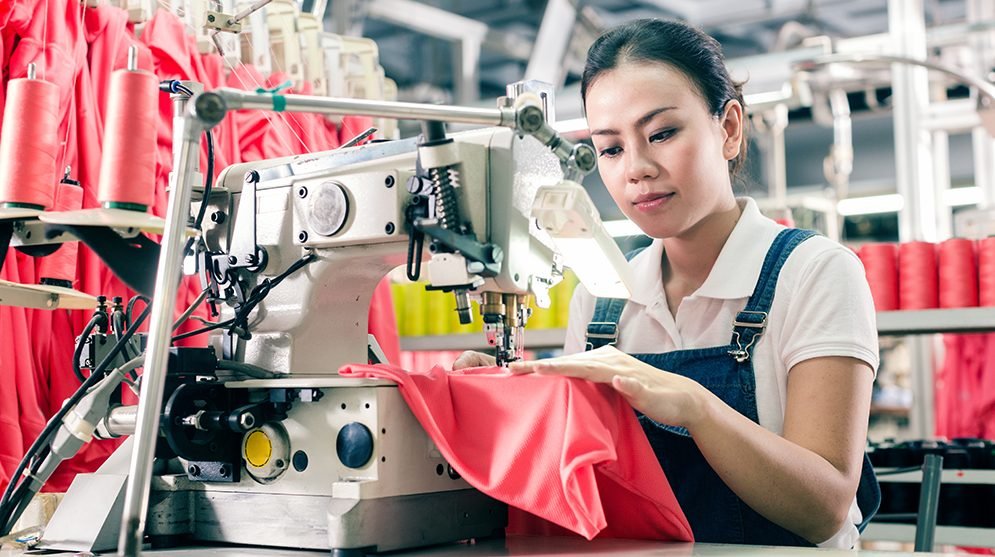
Don't choose a manufacturer based only on price. The lowest-cost option often becomes the most expensive when quality problems and delays occur.
What Is a Private Label Clothing Manufacturer?
A private label clothing manufacturer produces garments that are sold under your brand name.
Instead of creating your own factory, you partner with a manufacturer that handles:
- Fabric sourcing
- Pattern making
- Sampling
- Production
- Quality control
- Packaging
The finished products carry your logo and branding.
Common Private Label Products
- T-shirts
- Hoodies
- Sweatshirts
- Joggers
- Jackets
- Loungewear
- Activewear
Private label manufacturing allows brands to focus on sales, marketing, and growth.
Why Choosing the Right Manufacturer Matters
Your manufacturer directly impacts:
| Area | Impact |
|---|---|
| Product Quality | Customer satisfaction |
| Lead Times | Inventory availability |
| Cost Structure | Profit margins |
| Scalability | Future growth |
| Brand Reputation | Customer trust |
Key Insight
Your manufacturer becomes an extension of your brand. Customers may never meet your factory, but they experience its work every time they wear your products.
1. Define Your Brand Requirements First
Before contacting factories, clarify what you actually need.
Ask Yourself
- What products will I sell?
- Who is my target customer?
- What price point am I targeting?
- What quality level do I need?
- What quantity will I order?
Example
| Brand Type | Manufacturing Focus |
|---|---|
| Streetwear | Heavyweight fabrics |
| Premium Basics | Fabric quality |
| Activewear | Performance materials |
| Fashion Brand | Trend responsiveness |
The clearer your requirements, the easier it is to find the right partner.
2. Evaluate Manufacturing Experience
Not every manufacturer specializes in the same products.
Look For
- Years of experience
- Product specialization
- Industry knowledge
- Existing client portfolio
Example
A manufacturer specializing in hoodies may not be the best option for technical activewear.
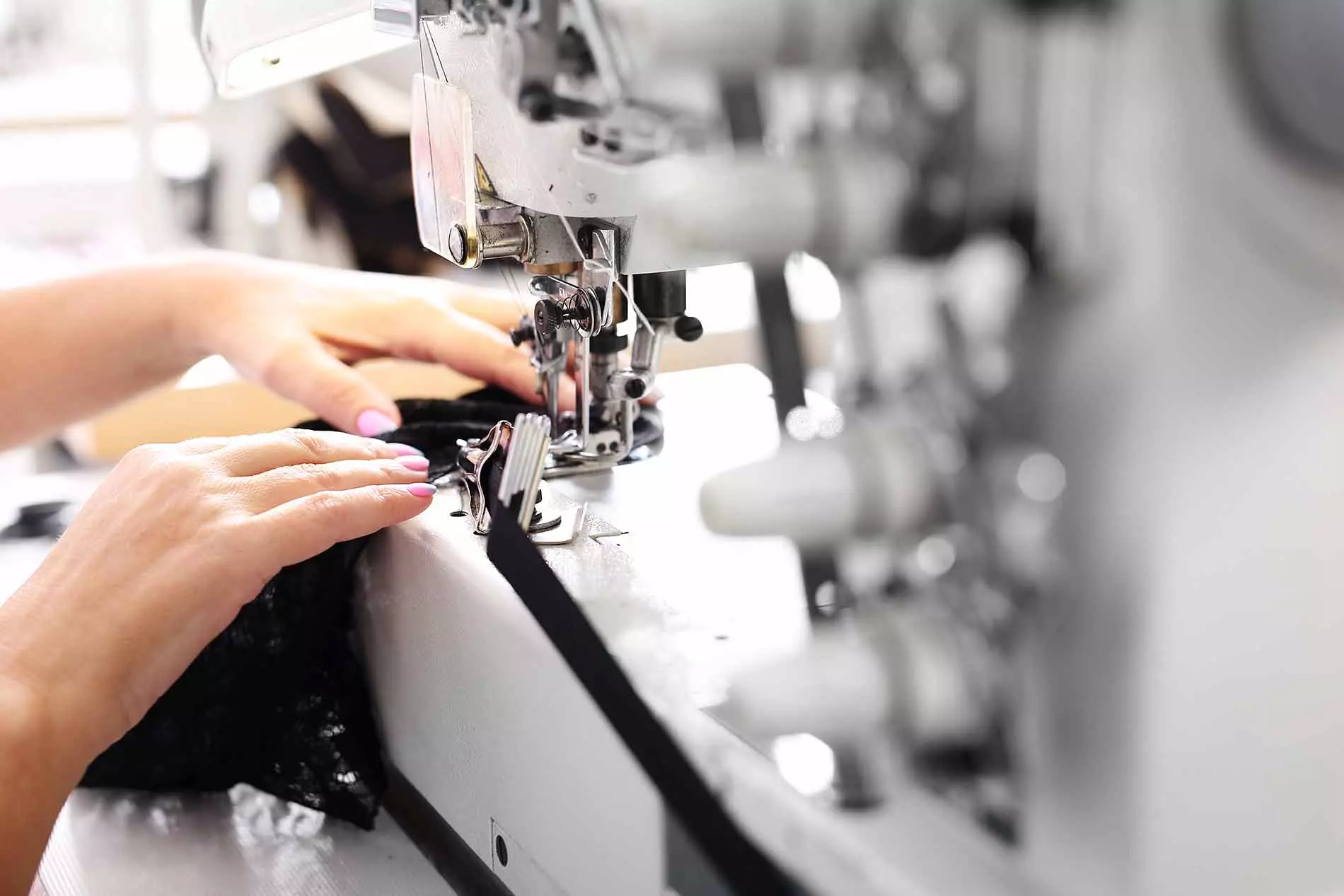
Always match expertise with your product category.
3. Review Product Categories and Capabilities
A strong manufacturer should support both current and future growth.
Important Capabilities
- Cut and sew production
- Printing
- Embroidery
- Washing techniques
- Private labeling
- Packaging
Benefits
| Broad Capability | Limited Capability |
|---|---|
| Easier expansion | More suppliers needed |
| Better efficiency | Increased complexity |
Future growth often depends on manufacturing flexibility.
4. Check Fabric Sourcing Options
Fabric quality determines product quality.
Questions to Ask
- What fabrics do you source?
- Can you provide fabric certifications?
- Do you offer custom fabrics?
- Can you source sustainable materials?
Useful Industry Resource
OEKO-TEX® provides internationally recognized textile safety standards.
Why It Matters
Reliable fabric sourcing improves consistency across production runs.
5. Understand Minimum Order Quantities
MOQ requirements vary significantly.
Typical MOQ Ranges
| Manufacturer Type | Typical MOQ |
|---|---|
| Startup Friendly | 50-100 pcs |
| Mid-Size Factory | 100-300 pcs |
| Large Factory | 500+ pcs |
Advice
If you're launching a new brand, avoid manufacturers that require quantities beyond your realistic demand.
6. Evaluate Sampling Services
Sampling is where product development begins.
Strong Sampling Process Includes
- Pattern development
- Fabric selection
- Fit adjustments
- Construction testing
Benefits
| Strong Sampling | Weak Sampling |
|---|---|
| Fewer production issues | Higher risk |
| Better product quality | More costly corrections |
Never skip the sampling stage.
7. Assess Quality Control Systems
Quality control is one of the biggest factors separating professional manufacturers from unreliable suppliers.
Ask About
- Fabric inspection
- Inline inspections
- Final inspections
- Measurement verification
Recommended Resource
Key Insight
Consistent quality is not accidental. It comes from repeatable systems.
8. Review Communication and Support
Good communication prevents costly mistakes.
Signs of Strong Communication
- Fast responses
- Clear answers
- Technical knowledge
- Proactive updates
Warning Signs
- Slow replies
- Incomplete information
- Frequent misunderstandings
Communication quality often predicts production quality.
9. Compare Lead Times and Production Capacity
As your brand grows, manufacturing capacity becomes increasingly important.
Ask About
- Sample lead times
- Bulk production lead times
- Capacity limits
- Seasonal demand planning
Example
| Factor | Strong Manufacturer |
|---|---|
| Sample Time | 5-10 days |
| Bulk Time | 20-35 days |
| Reorder Support | Available |
Reliable timelines improve inventory planning.
10. Request References and Past Work
A professional manufacturer should be able to demonstrate experience.
Request
- Product photos
- Factory videos
- Client references
- Case studies
Benefits
Past work provides insight into actual manufacturing capabilities.
Private Label Manufacturer Comparison Checklist
| Criteria | Excellent | Average | Poor |
|---|---|---|---|
| Product Quality | ✓ | △ | ✕ |
| Fabric Options | ✓ | △ | ✕ |
| Communication | ✓ | △ | ✕ |
| MOQ Flexibility | ✓ | △ | ✕ |
| Sampling Support | ✓ | △ | ✕ |
| Quality Control | ✓ | △ | ✕ |
| Scalability | ✓ | △ | ✕ |
| Lead Times | ✓ | △ | ✕ |
Use this checklist when evaluating suppliers.
How Bless Clothing Supports Private Label Brands
At Bless Clothing, we help brands develop and scale private label apparel collections.
Our Services
- Product development
- Custom fabric sourcing
- Sampling
- Bulk production
- Private labeling
- Packaging solutions
- Quality control
Helpful Resources
- Private Label Clothing Manufacturer
- Custom Fabric Solutions
- OEM & ODM Services
- Quality Control Services
We work with both startup brands and established fashion businesses looking for reliable manufacturing support.
FAQs
What is a private label clothing manufacturer?
A manufacturer that produces garments under your own brand name.
What should I look for in a private label manufacturer?
Quality, communication, fabric sourcing, sampling services, MOQ flexibility, and production consistency.
Is a lower MOQ always better?
Not necessarily. The best MOQ is one that aligns with your sales forecast and inventory strategy.
Why is sampling important?
Sampling helps identify fit, construction, and quality issues before bulk production begins.
How do I verify manufacturing quality?
Review samples, ask about quality control systems, and request examples of previous work.
Final Thoughts
Choosing a private label clothing manufacturer is one of the most important decisions a fashion brand will make.
The best manufacturers provide more than production capacity. They become long-term partners that support product quality, business growth, and customer satisfaction.
When evaluating manufacturers, focus on:
- Quality systems
- Communication
- Fabric sourcing
- Sampling capabilities
- Scalability
The right manufacturing partner can help transform a clothing idea into a successful brand.
👉 Learn more about private label apparel manufacturing at Bless Clothing and discover how we help brands create high-quality products that support long-term growth.