
One of the most common questions clothing brands ask before placing an order is:
"How long does custom clothing production take?"
The answer depends on several factors, including product complexity, fabric sourcing, sample approval, production capacity, and shipping methods.
Many new brands underestimate production timelines and assume manufacturing starts immediately after placing an order. In reality, custom apparel production involves multiple stages, each requiring careful planning and quality control.
Having worked with startup brands, private label businesses, and established fashion companies, I've found that understanding the production timeline helps brands avoid delays, manage inventory more effectively, and launch collections on schedule.
In this guide, I'll break down every stage of custom clothing production, explain what affects lead times, and show you how to speed up the process without sacrificing quality.
Table of Contents
- Quick Answer
- What Is Included in Custom Clothing Production?
- Typical Custom Clothing Production Timeline
- 1. Product Development Stage
- 2. Sample Production Stage
- 3. Sample Review and Approval
- 4. Fabric Sourcing and Preparation
- 5. Bulk Production Stage
- 6. Quality Control and Inspection
- 7. Packaging and Shipping
- Factors That Affect Production Time
- Fast Production vs Standard Production
- How to Reduce Production Delays
- How Bless Clothing Supports Fast Turnaround Production
- FAQs
- Final Thoughts
Quick Answer
For most apparel projects, custom clothing production typically takes:
| Production Stage | Typical Timeline |
|---|---|
| Sample Development | 5–10 Days |
| Sample Approval | 3–7 Days |
| Fabric Preparation | 5–10 Days |
| Bulk Production | 20–35 Days |
| Quality Inspection | 1–3 Days |
| Shipping | 5–30 Days |
Total Timeline
Most custom clothing orders require approximately:
30–60 days from concept to delivery.
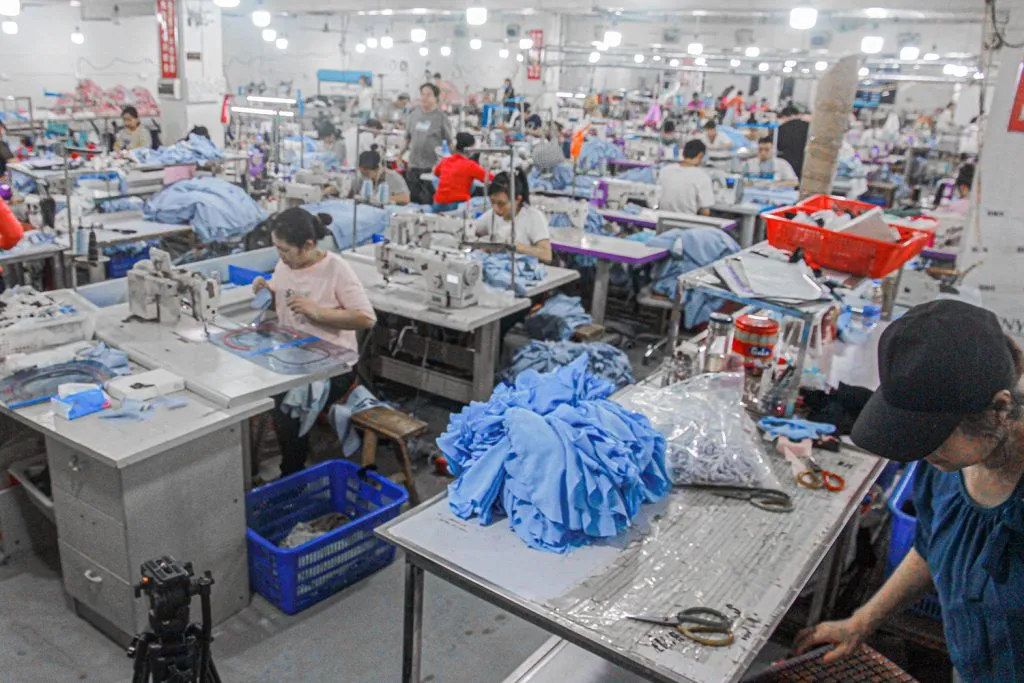
Complex products or custom fabrics may require additional time.
What Is Included in Custom Clothing Production?
Many people think production only refers to sewing garments.
In reality, production includes multiple stages.
Typical Process
- Product development
- Sampling
- Sample approval
- Fabric sourcing
- Bulk production
- Quality inspection
- Packaging
- Shipping
Each step contributes to the final timeline.
Key Insight
The longest delays often occur before bulk production even begins.
Typical Custom Clothing Production Timeline
Let's break down each stage individually.
1. Product Development Stage
Before manufacturing begins, product details must be finalized.
Development Activities
- Design creation
- Tech pack preparation
- Fabric selection
- Trim selection
- Branding details
Typical Timeline
| Task | Time |
|---|---|
| Design Finalization | 1–5 Days |
| Tech Pack Creation | 1–5 Days |
| Material Selection | 2–7 Days |
Why It Matters
Clear product specifications reduce future production errors.
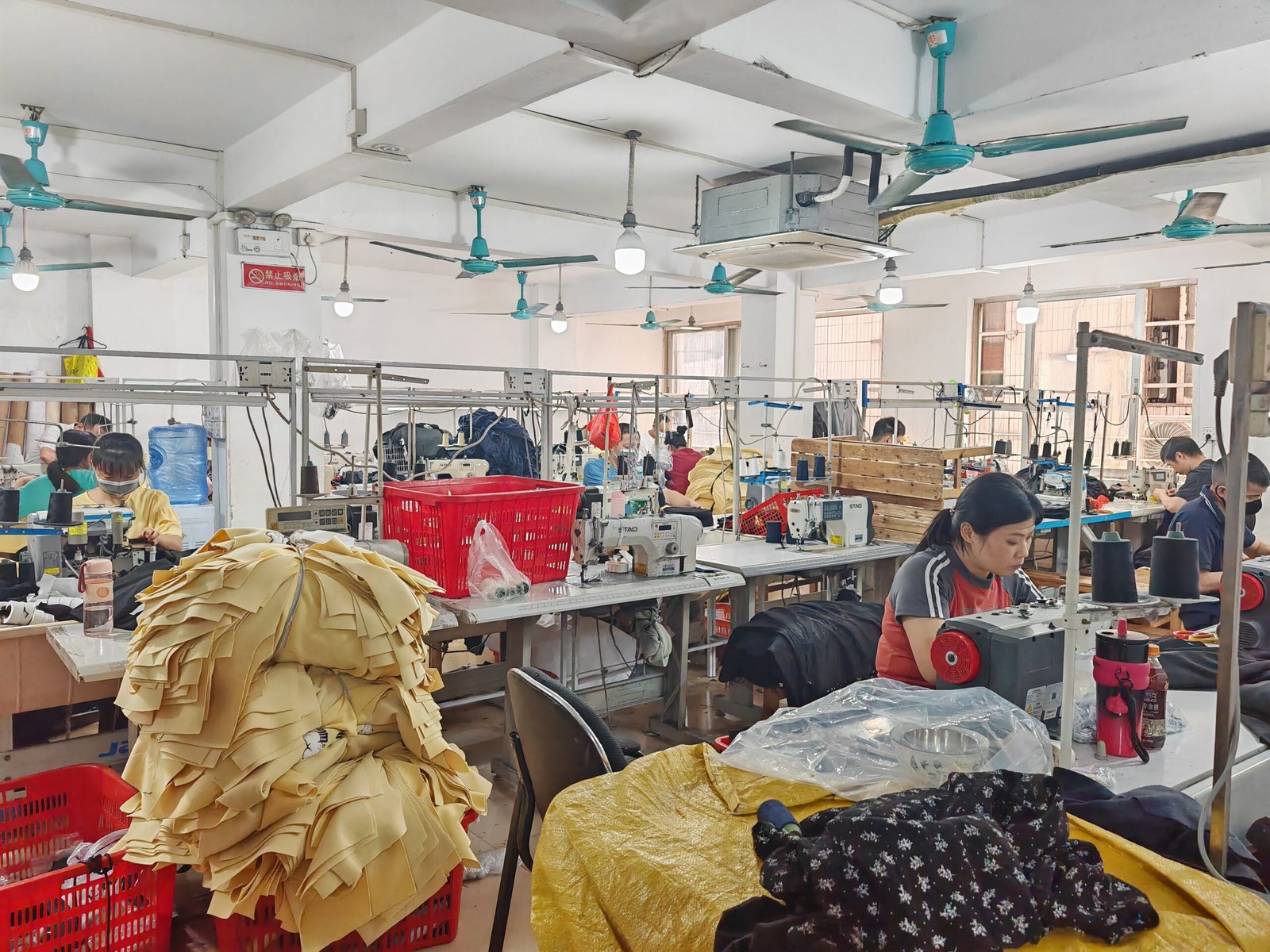
2. Sample Production Stage
Sampling is where the physical product is created for evaluation.
Sample Development Includes
- Pattern making
- Fabric cutting
- Sewing
- Printing
- Embroidery
Typical Timeline
| Product Type | Sample Time |
|---|---|
| Basic T-Shirt | 5–7 Days |
| Hoodie | 5–10 Days |
| Jacket | 7–14 Days |
Purpose
Sampling allows brands to verify:
- Fit
- Construction
- Fabric quality
- Branding details
3. Sample Review and Approval
Once the sample is completed, the brand reviews it.
Common Review Areas
- Measurements
- Fabric feel
- Print quality
- Embroidery quality
- Fit adjustments
Timeline
| Situation | Time |
|---|---|
| Immediate Approval | 1–3 Days |
| Minor Revisions | 3–7 Days |
| Major Revisions | 7–14 Days |
Quick feedback helps keep production moving.
4. Fabric Sourcing and Preparation
Fabric availability significantly affects production timelines.
Stock Fabrics
Benefits:
- Faster sourcing
- Lower risk
- Shorter lead times
Custom Fabrics
Benefits:
- Unique products
- Greater brand differentiation
Challenges:
- Longer lead times
Typical Timeline
| Fabric Type | Time |
|---|---|
| Stock Fabric | 2–5 Days |
| Custom Fabric | 10–30 Days |
Fabric preparation is often one of the largest scheduling variables.
5. Bulk Production Stage
Bulk production begins after sample approval and material preparation.
Production Steps
- Fabric cutting
- Printing
- Embroidery
- Sewing
- Finishing
Typical Timeline
| Order Size | Production Time |
|---|---|
| 100 Pieces | 15–20 Days |
| 300 Pieces | 20–30 Days |
| 1000+ Pieces | 30–45 Days |
Larger orders naturally require more production time.
6. Quality Control and Inspection
Professional manufacturers inspect products before shipment.
Inspection Areas
- Measurements
- Stitching quality
- Fabric defects
- Branding accuracy
- Packaging
Recommended Resource
Typical Timeline
1–3 days depending on order size.
Key Insight
Skipping inspections may save time initially but often creates larger problems later.
7. Packaging and Shipping
After approval, garments are packed and shipped.
Shipping Methods
| Method | Timeline |
|---|---|
| Express Air | 3–7 Days |
| Standard Air | 7–15 Days |
| Sea Freight | 20–40 Days |
Shipping choice affects both cost and delivery speed.
Factors That Affect Production Time
Not every project follows the same timeline.
Major Factors
Product Complexity
A basic T-shirt requires less time than a technical jacket.
Fabric Availability
Stock fabrics shorten lead times.
Customization
Additional printing, embroidery, and washing processes increase production time.
Order Quantity
Larger orders generally require longer production schedules.
Peak Seasons
Factory capacity may become limited during busy production periods.
Fast Production vs Standard Production
| Factor | Fast Production | Standard Production |
|---|---|---|
| Fabric | Stock Fabric | Stock or Custom |
| Product Complexity | Simple | Moderate to Complex |
| MOQ | Moderate | Any Size |
| Lead Time | 20–30 Days | 30–60 Days |
| Cost | Higher | More Efficient |
Fast production can be useful for urgent launches but may involve trade-offs.
How to Reduce Production Delays
Brands can actively reduce production timelines.
Best Practices
Prepare Complete Tech Packs
Clear instructions reduce misunderstandings.
Approve Samples Quickly
Slow approvals create unnecessary delays.
Use Stock Fabrics
Readily available materials shorten lead times.
Consolidate Revisions
Multiple revision rounds can significantly extend timelines.
Plan Early
The best production schedules are created before demand becomes urgent.
Key Insight
Most production delays are caused by planning issues rather than manufacturing issues.
How Bless Clothing Supports Fast Turnaround Production
At Bless Clothing, we help brands streamline development and production timelines.
Our Services
- Product development
- Sampling
- Fabric sourcing
- Bulk production
- Quality inspections
- Packaging
- Global shipping support
Helpful Resources
- Private Label Clothing Manufacturer
- OEM & ODM Services
- Custom Fabric Solutions
- Quality Control Services
Industry Resource
Our standard production schedule is designed to balance speed, quality, and consistency.
FAQs
How long does custom clothing production usually take?
Most custom clothing projects take between 30 and 60 days from development to delivery.
How long does sample production take?
Sample development typically requires 5–10 days depending on product complexity.
What causes production delays?
Common causes include incomplete tech packs, slow sample approvals, fabric sourcing delays, and seasonal capacity limitations.
Can production be expedited?
Yes. Using stock fabrics, simplifying designs, and reducing revisions can shorten lead times.
Does shipping affect the total timeline?
Absolutely. Shipping method selection can add anywhere from a few days to several weeks.
Final Thoughts
Custom clothing production involves much more than simply sewing garments.
From development and sampling to sourcing, production, inspection, and shipping, every stage affects the overall timeline.
Most brands should plan for:
- 5–10 days for samples
- 20–35 days for bulk production
- Additional time for sourcing and shipping
Understanding these timelines helps brands launch products more efficiently and avoid costly delays.
If you're planning a custom apparel project, explore Bless Clothing to learn how we help brands manage production schedules, maintain quality standards, and deliver products on time.