
If you're starting a clothing brand, one of the first big decisions you'll face is:
Should startups use private label clothing manufacturing?
From my experience working with early-stage fashion brands, this is often the most practical and scalable way to enter the market—but it’s not always the right fit for every situation.
In this guide, I’ll break down what private label manufacturing really means, when startups should use it, when they shouldn’t, and how to decide based on your goals and budget.
Table of Contents
- Quick Answer
- What Is Private Label Clothing Manufacturing?
- Why Startups Choose Private Label Manufacturing
- Benefits for New Clothing Brands
- Limitations You Should Know
- Private Label vs Custom Manufacturing
- When Startups Should Use Private Label
- When Startups Should NOT Use It
- Decision Checklist
- How Bless Clothing Supports Startups
- FAQs
- Final Thoughts
Quick Answer
Yes—most startups should use private label clothing manufacturing, especially if they want to launch quickly, reduce risk, and avoid high development costs.
However, it works best when:
- You want to launch fast
- You don’t need fully custom fabrics or patterns at the beginning
- You want lower MOQ and simpler production
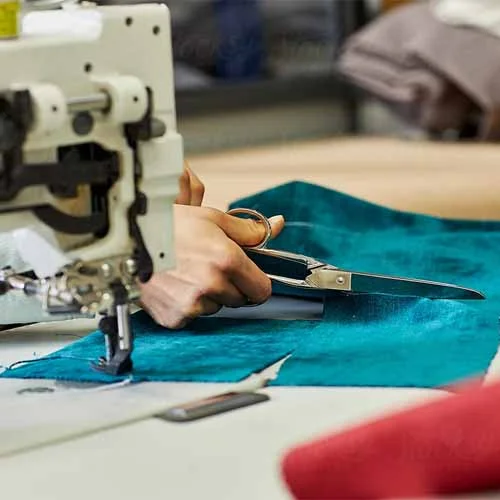
Private label is the fastest entry point into the fashion industry for most startups.
What Is Private Label Clothing Manufacturing?
Private label manufacturing means:
You select pre-developed or semi-developed garments and customize them with your brand identity.
Customization options usually include:
- Logo printing or embroidery
- Label and tag branding
- Color selection
- Packaging customization
Recommended resource:
Quality Control Services
Why Startups Choose Private Label Manufacturing
Most startups choose private label because it removes complexity from production.
Key Reasons
- Faster development time
- Lower MOQ requirements
- Reduced design risk
- Lower startup cost
- Easier manufacturing process
Benefits for New Clothing Brands
1. Faster Time to Market
You can launch in weeks instead of months.
2. Lower Financial Risk
No need for expensive custom pattern development.
3. Easier Production Process
Factories already have tested templates.
4. Scalable Model
You can start small and scale later.
Comparison Table
| Factor | Private Label | Fully Custom |
|---|---|---|
| Speed | Fast | Slow |
| Cost | Lower | Higher |
| Flexibility | Medium | High |
| Risk | Low | High |
Limitations You Should Know
Private label is not perfect for every brand.
Main Limitations
- Limited design freedom
- Similar base styles across brands
- Less product uniqueness
- Dependency on factory templates
Many premium brands eventually evolve beyond private label.
Private Label vs Custom Manufacturing
| Feature | Private Label | Custom Manufacturing |
|---|---|---|
| Design Control | Limited | Full control |
| Development Time | Short | Long |
| Cost | Lower | Higher |
| MOQ | Lower | Higher |
| Brand Uniqueness | Medium | High |

When Startups Should Use Private Label
Private label is ideal if you:
- Are launching your first collection
- Have a limited budget ($1,000–$10,000)
- Want to test the market quickly
- Need fast production turnaround
- Don’t require highly complex designs
When Startups Should NOT Use It
You may want to avoid private label if:
- You need fully unique patterns
- You are building a luxury fashion brand
- You require advanced technical fabrics
- You want full design ownership from day one
Decision Checklist
Use this simple checklist:
| Question | Yes | No |
|---|---|---|
| Do you want to launch fast? | ✔ | ✖ |
| Do you have a limited budget? | ✔ | ✖ |
| Do you need full design control? | ✖ | ✔ |
| Are you testing your first product? | ✔ | ✖ |
If you answered “yes” to most startup-related questions, private label is the right choice.
How Bless Clothing Supports Startups
At Bless Clothing, we help startups launch efficiently using both private label and custom manufacturing solutions.
Our Services
- Private label clothing production
- Product development support
- Fabric sourcing
- Sampling services
- Bulk manufacturing
- Quality control systems
- Global logistics support
Helpful Resources
- Private Label Clothing Manufacturer
- OEM & ODM Services
- Custom Fabric Solutions
- Quality Control Services
Industry Resource
Our goal is to help startups launch faster while maintaining professional production quality.
FAQs
Is private label good for startups?
Yes, it is one of the best options for startups due to low cost and fast production.
What is the downside of private label clothing?
Limited design flexibility and less uniqueness compared to custom manufacturing.
How much does private label clothing cost?
Most startups invest between $1,000 and $10,000 depending on order size.
Can I build a strong brand with private label?
Yes, branding, marketing, and quality control matter more than base design.
Should I switch to custom manufacturing later?
Many brands start with private label and transition to custom production as they scale.
Final Thoughts
Private label clothing manufacturing is one of the most efficient ways for startups to enter the fashion industry.
The key takeaways:
- It reduces risk
- Speeds up launch
- Lowers initial cost
- Works best for first collections
The smartest brands don’t start with complexity—they start with speed and validation.
If you're planning your first clothing line, explore Bless Clothing to see how we help startups launch faster with scalable manufacturing solutions.