
Custom hoodies are one of the most popular products in today's fashion industry. Whether you're launching a streetwear label, building a corporate merchandise line, or creating premium apparel, understanding how custom hoodies are manufactured helps you make better production decisions.
Many first-time brand owners believe hoodie manufacturing simply involves sewing fabric together and adding a logo. In reality, the process includes product development, fabric sourcing, pattern making, cutting, sewing, printing, embroidery, quality control, and packaging.
After working with hundreds of hoodie projects, I've found that brands with a clear understanding of the manufacturing process experience fewer delays, better quality, and smoother production.
This guide explains every stage of custom hoodie manufacturing—from concept to finished product.
Table of Contents
- Quick Answer
- Step 1: Product Planning
- Step 2: Fabric Selection
- Step 3: Pattern Making
- Step 4: Sample Development
- Step 5: Fabric Cutting
- Step 6: Sewing & Assembly
- Step 7: Printing & Embroidery
- Step 8: Washing & Finishing
- Step 9: Quality Inspection
- Step 10: Packing & Shipping
- Manufacturing Process Overview
- Common Manufacturing Mistakes
- How Bless Clothing Manufactures Custom Hoodies
- FAQs
- Final Thoughts
Quick Answer
Custom hoodies are typically manufactured through these ten steps:
- Product planning
- Fabric selection
- Pattern making
- Sample development
- Fabric cutting
- Sewing
- Printing or embroidery
- Washing and finishing
- Quality inspection
- Packaging and shipping
Every step affects the final quality, durability, and consistency of the hoodie.
Step 1: Product Planning
Everything begins with a clear product specification.
This usually includes:
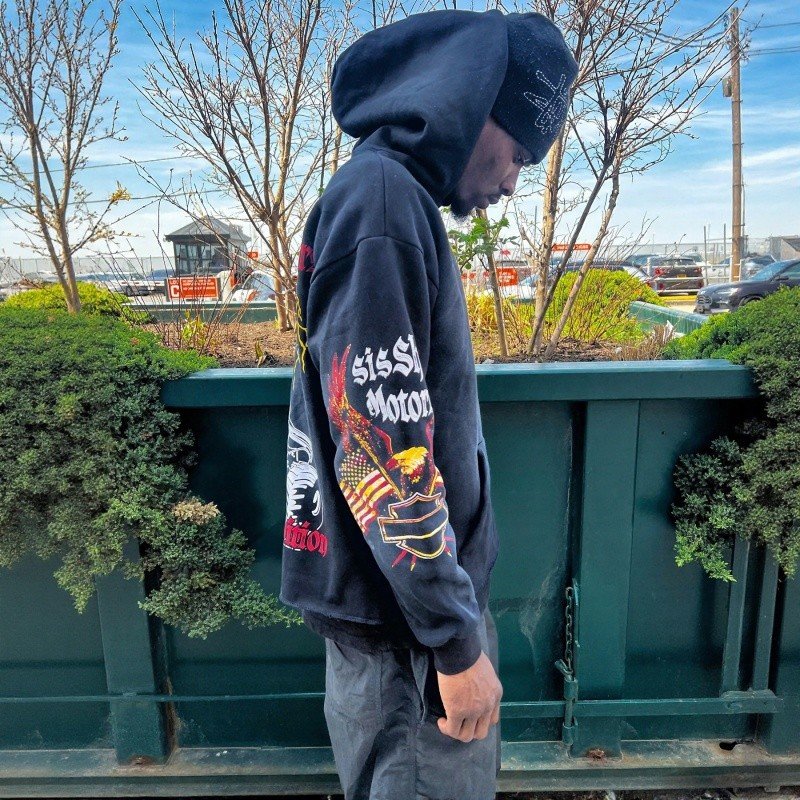
- Hoodie style (pullover or zip-up)
- Fit (oversized, relaxed, regular)
- Fabric weight (GSM)
- Color options
- Logo placement
- Printing or embroidery requirements
Why it matters
A complete product plan reduces production errors and speeds up sampling.
Step 2: Fabric Selection
Fabric determines how your hoodie looks, feels, and performs.
Popular hoodie fabrics include:
| Fabric | Best For |
|---|---|
| 100% Cotton | Premium streetwear |
| Cotton/Poly Blend | Everyday hoodies |
| Heavyweight Fleece | Winter collections |
| French Terry | Spring & Autumn |
Things to consider
- GSM
- Shrinkage
- Softness
- Breathability
- Color fastness
Helpful resource:
Step 3: Pattern Making
Pattern makers create the blueprint for every hoodie size.
They determine:
- Body width
- Sleeve length
- Hood shape
- Pocket position
- Rib dimensions
Professional pattern making ensures:
- Consistent sizing
- Better fit
- Easier production scaling
Step 4: Sample Development
A sample allows brands to verify every detail before bulk production.
During sampling, factories evaluate:
- Fit
- Fabric performance
- Construction quality
- Logo placement
- Overall appearance
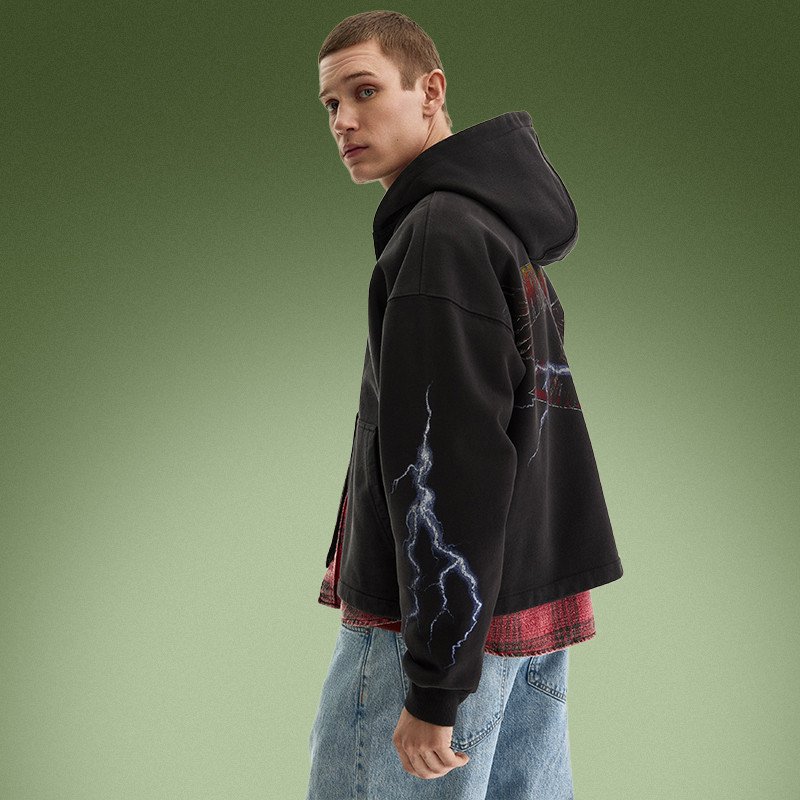
Never skip sampling before mass production.
Step 5: Fabric Cutting
Once the sample is approved, production begins.
Large fabric rolls are spread and cut using:
- Automatic cutting machines
- CNC cutting systems
- Manual cutting for special products
Accurate cutting reduces waste and improves consistency.
Step 6: Sewing & Assembly
Sewing is where individual fabric panels become a finished hoodie.
Typical operations include:
- Shoulder joining
- Sleeve attachment
- Hood construction
- Pocket sewing
- Rib attachment
- Top stitching
Experienced sewing teams produce cleaner and more durable garments.
Step 7: Printing & Embroidery
Branding is usually added after sewing.
Popular decoration methods include:
Printing
- Screen printing
- Puff printing
- Silicone printing
- DTG printing
- Heat transfer
Embroidery
- Flat embroidery
- 3D puff embroidery
- Appliqué embroidery
Choosing the right decoration depends on your design and brand positioning.
Step 8: Washing & Finishing
Some hoodies receive additional finishing treatments.
Examples include:
- Garment wash
- Enzyme wash
- Vintage wash
- Silicone softening
- Anti-pilling treatment
These processes improve texture and appearance.
Step 9: Quality Inspection
Quality control is one of the most important production stages.
Professional inspections include:
- Fabric inspection
- Measurement checking
- Printing inspection
- Stitch inspection
- Needle detection
- Packaging inspection
Recommended resource:
Step 10: Packing & Shipping
Before shipment, hoodies are:
- Folded
- Tagged
- Bagged
- Cartoned
- Palletized (if required)
Proper packaging protects products during transportation.
Manufacturing Process Overview
| Stage | Main Objective |
|---|---|
| Product Planning | Define specifications |
| Fabric Selection | Choose suitable materials |
| Pattern Making | Create accurate sizing |
| Sampling | Verify product quality |
| Cutting | Prepare production pieces |
| Sewing | Assemble garment |
| Printing & Embroidery | Apply branding |
| Washing | Improve appearance |
| Quality Inspection | Ensure consistency |
| Packing | Prepare shipment |
Common Manufacturing Mistakes
Many new brands make avoidable mistakes, including:
Skipping Samples
Small issues become expensive during bulk production.
Choosing Fabric Based Only on Price
Cheap fabric often leads to poor customer satisfaction.
Ignoring Quality Control
Without inspections, defect rates increase significantly.
Poor Communication
Incomplete tech packs and delayed feedback slow production.
How Bless Clothing Manufactures Custom Hoodies
At Bless Clothing, we've developed a manufacturing process that helps brands produce premium custom hoodies efficiently.
Our Services
- Hoodie product development
- Pattern making
- Fabric sourcing
- Sample production
- Screen printing & embroidery
- Bulk manufacturing
- Quality inspection
- Worldwide shipping
Helpful Resources
- Private Label Clothing Manufacturer
- OEM & ODM Services
- Custom Fabric Solutions
- Quality Control Services
Industry Reference
We help startups and established brands turn hoodie ideas into high-quality finished products.
FAQs
How long does it take to manufacture custom hoodies?
Most custom hoodie orders require 3–6 weeks after sample approval.
What fabric is best for custom hoodies?
Heavyweight cotton fleece and cotton-poly blends are the most popular choices.
Can I customize every part of a hoodie?
Yes. Most manufacturers can customize fabrics, colors, labels, trims, packaging, and decoration methods.
What is the minimum order quantity for custom hoodies?
MOQ varies by factory, but many manufacturers offer flexible quantities for startups.
Why is sampling important?
Sampling helps identify fit, construction, and quality issues before bulk production.
Final Thoughts
Manufacturing custom hoodies involves much more than sewing fabric together.
A successful production process depends on:
- Proper planning
- High-quality fabrics
- Professional pattern making
- Careful sampling
- Reliable manufacturing
- Strict quality control
The best custom hoodies are built through consistent manufacturing systems—not shortcuts.
If you're planning your next hoodie collection, visit Bless Clothing to learn how we help brands manufacture premium custom hoodies with consistent quality.