
Garment dyeing has become one of the most popular finishing techniques in modern fashion. From premium streetwear to luxury basics, many brands use garment dyeing to create soft textures, rich colors, and unique vintage effects.
If you've ever wondered how garment dyeing works, you're not alone. Many clothing brands know the look they want but don't fully understand the manufacturing process behind it.
After working with garment-dyed collections for many years, I've found that brands who understand this process make better decisions about fabrics, colors, costs, and production timelines.
In this guide, I'll explain what garment dyeing is, how it works, its advantages and disadvantages, and when your clothing brand should use it.
Table of Contents
- Quick Answer
- What Is Garment Dyeing?
- How Garment Dyeing Works Step by Step
- Step 1: Manufacturing the Undyed Garment
- Step 2: Preparing the Dye Bath
- Step 3: Dyeing the Garments
- Step 4: Washing & Fixing the Color
- Step 5: Drying & Finishing
- Garment Dye vs Fabric Dye
- Advantages of Garment Dyeing
- Disadvantages of Garment Dyeing
- When Should Brands Use Garment Dyeing?
- How Bless Clothing Supports Garment Dyeing
- FAQs
- Final Thoughts
Quick Answer
Garment dyeing is a manufacturing process where a completed garment is dyed after it has been sewn together, rather than dyeing the fabric before production.
The process generally includes:
- Producing the garment
- Preparing the dye bath
- Dyeing the finished garment
- Washing and fixing the color
- Drying and finishing
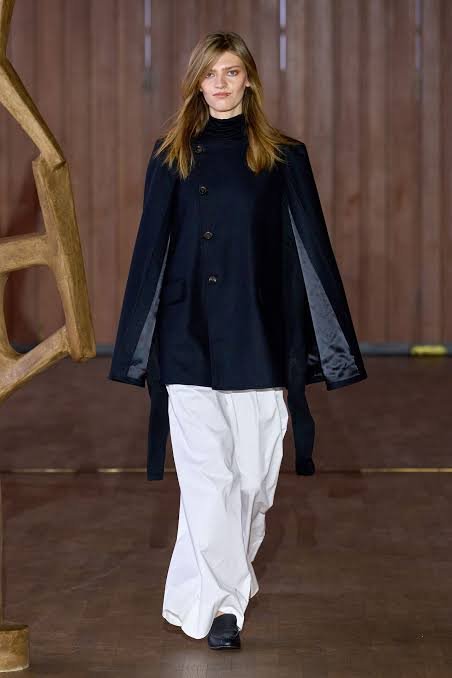
Garment dyeing creates softer textures, richer colors, and a naturally worn-in appearance that many premium brands prefer.
What Is Garment Dyeing?
Unlike traditional fabric dyeing, garment dyeing happens after the entire garment has been manufactured.
Instead of dyeing fabric rolls first, factories produce blank garments and then dye them in industrial washing machines.
This method allows brands to achieve:
- Vintage aesthetics
- Washed colors
- Soft hand feel
- Slight color variations
- Premium casual appearance
How Garment Dyeing Works Step by Step
Professional garment dyeing follows several carefully controlled stages.
Step 1: Manufacturing the Undyed Garment
The garment is first produced using undyed or prepared fabric.
Typical production includes:
- Pattern making
- Fabric cutting
- Sewing
- Initial quality inspection
Only after construction is complete does the dyeing process begin.
Step 2: Preparing the Dye Bath
Factories prepare industrial dye baths using carefully measured formulas.
Key variables include:
- Dye concentration
- Water temperature
- Chemical balance
- Processing time
Accurate formulas help achieve consistent colors across production batches.
Step 3: Dyeing the Garments
Completed garments are loaded into large dyeing machines.
During dyeing, garments continuously tumble to ensure even color penetration.
The process can create:
- Solid colors
- Vintage effects
- Pigment washes
- Overdyed finishes
Step 4: Washing & Fixing the Color
After dyeing, garments go through multiple washing cycles.
This stage helps:
- Remove excess dye
- Improve softness
- Increase color fastness
- Stabilize the finished appearance
Step 5: Drying & Finishing
The garments are then dried and receive final finishing treatments.
Common finishing options include:
- Silicone softening
- Enzyme wash
- Anti-pilling treatment
- Steam finishing
- Final pressing
These treatments enhance comfort and appearance.
Garment Dye vs Fabric Dye
| Feature | Garment Dye | Fabric Dye |
|---|---|---|
| Dye Timing | After sewing | Before cutting |
| Color Effect | Vintage & washed | Uniform |
| Hand Feel | Softer | Standard |
| Color Variation | Slightly unique | Highly consistent |
| Premium Appearance | High | Medium |
Key Insight
Garment dyeing emphasizes character and texture, while fabric dyeing focuses on color consistency.
Advantages of Garment Dyeing
Softer Hand Feel
Repeated washing naturally softens the fabric.
Premium Appearance
The subtle color variation creates a high-end look.
Fashion Flexibility
Brands can decide colors later in the production process.
Better Vintage Effects
Garment dyeing is ideal for washed and aged aesthetics.
Disadvantages of Garment Dyeing
Although popular, garment dyeing has some limitations.
Higher Production Cost
Additional processing increases manufacturing expenses.
Longer Lead Times
Extra dyeing and washing require more production time.
Color Variation
Slight shade differences are normal and often expected.
Fabric Restrictions
Not every fabric performs well during garment dyeing.
When Should Brands Use Garment Dyeing?
Garment dyeing works especially well for:
- Premium T-shirts
- Sweatshirts
- Hoodies
- Joggers
- Vintage collections
- Streetwear brands
It is less suitable for products requiring perfectly uniform colors.
How Bless Clothing Supports Garment Dyeing
At Bless Clothing, we help fashion brands develop premium garment-dyed collections with consistent quality and reliable production.
Our Services
- Product development
- Fabric sourcing
- Garment dyeing solutions
- Sample development
- Bulk manufacturing
- Quality inspection
- Global shipping
Helpful Resources
- Private Label Clothing Manufacturer
- OEM & ODM Services
- Custom Fabric Solutions
- Quality Control Services
Industry Resource
We work closely with brands to develop garment-dyed products that combine premium aesthetics with reliable manufacturing quality.
FAQs
What is garment dyeing?
Garment dyeing is the process of dyeing finished garments after they have been sewn together.
Is garment dyeing better than fabric dyeing?
Neither is universally better. Garment dyeing creates softer, vintage-inspired products, while fabric dyeing offers greater color consistency.
Which garments are commonly garment dyed?
T-shirts, hoodies, sweatshirts, joggers, and casual streetwear are the most common choices.
Does garment dyeing affect fabric softness?
Yes. The washing process typically makes garments softer and more comfortable.
Is garment dyeing more expensive?
Generally yes, because it involves additional dyeing, washing, and finishing processes.
Final Thoughts
Garment dyeing is one of the most effective ways to create premium casual apparel with unique colors and exceptional softness.
Its biggest benefits include:
- Rich color depth
- Soft hand feel
- Vintage appearance
- Premium brand positioning
- Distinctive customer experience
The best garment-dyed products combine thoughtful design with professional manufacturing expertise.
If you're planning a garment-dyed collection, visit Bless Clothing to learn how we help brands produce premium apparel with consistent garment dyeing quality.