
Cotton is one of the most widely used fabrics in the apparel industry, but not all cotton feels the same.
When developing premium T-shirts, hoodies, and casual apparel, many brands ask:
What is the difference between ring-spun cotton and regular cotton?
From my experience working with clothing brands, choosing the right cotton type can significantly affect product softness, durability, appearance, and customer satisfaction.
Many new brands focus only on the design, but fabric selection often determines whether a product feels premium or ordinary.
In this guide, I’ll explain the differences between ring-spun cotton and regular cotton, their advantages and disadvantages, and which option is better for different apparel products.
Table of Contents
- Quick Answer
- What Is Regular Cotton?
- What Is Ring-Spun Cotton?
- How Ring-Spun Cotton Is Made
- Ring-Spun Cotton vs Regular Cotton Comparison
- Advantages of Ring-Spun Cotton
- Advantages of Regular Cotton
- Which Cotton Is Better for Clothing Brands?
- Applications in Apparel Manufacturing
- Common Fabric Selection Mistakes
- How Bless Clothing Helps Brands Choose Fabrics
- FAQs
- Final Thoughts
Quick Answer
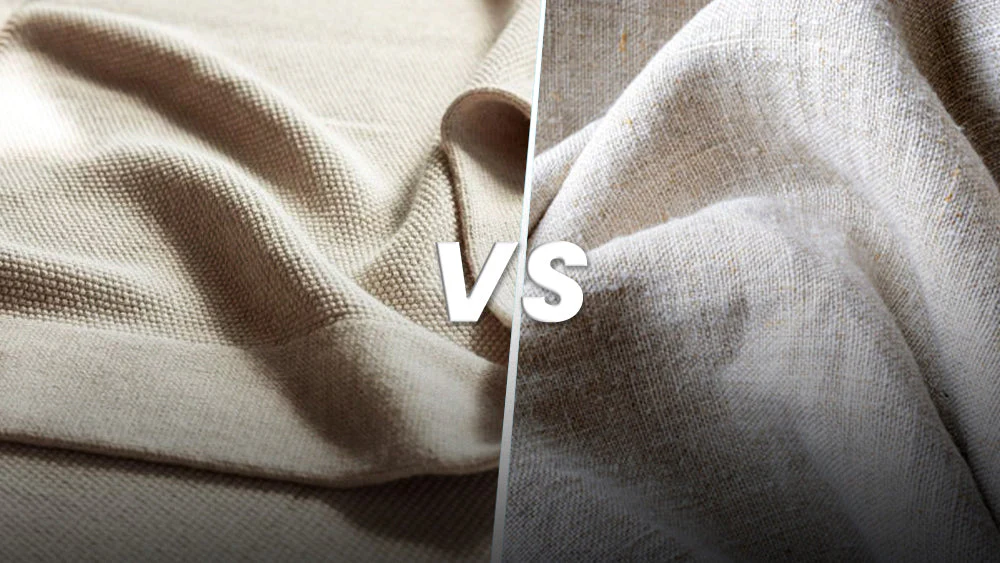
The main difference between ring-spun cotton and regular cotton is the way the fibers are processed.
- Regular cotton uses basic spinning methods and usually has a rougher texture.
- Ring-spun cotton twists and compresses cotton fibers together, creating a smoother, stronger, and softer yarn.
For premium clothing brands, ring-spun cotton is usually the better choice because it provides:
- Softer hand feel
- Better durability
- Cleaner appearance
- More premium customer experience
What Is Regular Cotton?
Regular cotton, sometimes called open-end cotton, is produced using a simpler spinning process.
The cotton fibers are cleaned, aligned, and spun into yarn.
Characteristics of Regular Cotton
- Affordable
- Easy to produce
- Suitable for basic apparel
- Less soft compared with premium cotton
Common Uses
Regular cotton is often used for:
- Promotional T-shirts
- Budget basics
- Large-volume apparel
What Is Ring-Spun Cotton?
Ring-spun cotton is made by continuously twisting and thinning cotton fibers into a fine yarn.
This process aligns the fibers more tightly, resulting in a smoother surface and stronger structure.
Characteristics of Ring-Spun Cotton
- Softer texture
- Higher durability
- Better drape
- More premium appearance
Common Uses
Ring-spun cotton is popular for:
- Premium T-shirts
- Streetwear collections
- Casual fashion brands
- High-quality basics
How Ring-Spun Cotton Is Made
The ring-spinning process involves several steps:
1. Fiber Preparation
Raw cotton fibers are cleaned and separated.
2. Fiber Alignment
The fibers are arranged into a continuous strand.
3. Twisting Process
The fibers are twisted tightly together using spinning rings.
4. Yarn Formation
The finished yarn is stronger, smoother, and more consistent.
This additional processing creates the premium feel associated with ring-spun cotton.
Ring-Spun Cotton vs Regular Cotton Comparison
| Feature | Ring-Spun Cotton | Regular Cotton |
|---|---|---|
| Softness | High | Medium |
| Durability | Higher | Standard |
| Surface Texture | Smooth | Rougher |
| Price | Higher | Lower |
| Premium Feel | Excellent | Basic |
| Best For | Fashion brands | Budget products |
Key Insight
If your brand competes on quality and customer experience, ring-spun cotton usually provides better value.
Advantages of Ring-Spun Cotton
1. Softer Feel
The tightly twisted fibers create a smoother surface that feels comfortable against the skin.
2. Better Durability
Stronger yarn structure helps garments maintain shape after repeated washing.
3. Premium Appearance
Ring-spun cotton creates a cleaner fabric surface, making prints and embroidery look better.
4. Better Customer Experience
Customers often associate softness and comfort with higher product value.
Advantages of Regular Cotton
Although regular cotton is less premium, it still has advantages.
Lower Production Cost
It is more affordable for large-volume production.
Suitable for Basic Products
For promotional clothing or entry-level products, regular cotton can be practical.
Faster Production
Simpler processing makes it easier to manufacture at scale.
Which Cotton Is Better for Clothing Brands?
The best choice depends on your brand positioning.
| Brand Type | Recommended Cotton |
|---|---|
| Premium streetwear | Ring-spun cotton |
| Luxury basics | Ring-spun cotton |
| Startup testing products | Regular cotton |
| Promotional apparel | Regular cotton |
| Everyday casual brands | Ring-spun cotton |
My Recommendation
For brands building long-term customer loyalty:
Choose ring-spun cotton for your main products and use regular cotton only when cost control is the priority.
Applications in Apparel Manufacturing
Ring-spun and regular cotton are commonly used in:
T-Shirts
Ring-spun cotton is preferred for premium T-shirt collections.
Hoodies

Soft cotton yarn improves comfort and perceived value.
Sweatshirts
Better fiber quality creates a smoother inside and outside surface.
Helpful resource:
Common Fabric Selection Mistakes
Choosing Only Based on Price
Cheaper fabric can reduce customer satisfaction.
Ignoring Fabric Weight
GSM affects thickness, durability, and product positioning.
Not Testing Samples
Fabric performance should always be tested before bulk production.
Choosing the Wrong Fabric for Your Market
A luxury brand and a promotional brand need different fabric strategies.
How Bless Clothing Helps Brands Choose Fabrics
At Bless Clothing, we help fashion brands select suitable fabrics based on product goals, market positioning, and budget.
Our Fabric Support Includes
- Cotton fabric sourcing
- Ring-spun cotton options
- Fabric testing
- Sample development
- Bulk production support
- Quality inspection
Helpful Resources:
- Custom Fabric Solutions
- Private Label Clothing Manufacturer
- OEM & ODM Services
- Quality Control Services
Industry Reference:
We help brands choose fabrics that match their quality expectations and customer needs.
FAQs
Is ring-spun cotton better than regular cotton?
For premium apparel, yes. Ring-spun cotton is softer, stronger, and more comfortable.
Is ring-spun cotton more expensive?
Yes, because it requires additional processing during yarn production.
Which cotton is better for T-shirts?
Ring-spun cotton is usually preferred for high-quality T-shirts.
Does ring-spun cotton shrink less?
Both fabrics can shrink depending on finishing treatments, but proper manufacturing reduces shrinkage.
Should startups use ring-spun cotton?
If the brand focuses on quality and customer experience, ring-spun cotton is a strong choice.
Final Thoughts
The difference between ring-spun and regular cotton comes down to fiber processing, softness, durability, and product positioning.
Regular cotton works well for cost-focused products, while ring-spun cotton is better for brands that want premium quality.
The right choice depends on:
- Your target customers
- Product positioning
- Budget
- Brand goals
Great apparel starts with the right fabric choice.
If you're developing your next clothing collection, visit Bless Clothing to learn how we help brands select the right materials and manufacture high-quality apparel.