
Oversized T-shirts have become one of the most popular styles in modern fashion, especially in streetwear, casualwear, and lifestyle brands.
From heavyweight oversized tees to relaxed-fit basics, many successful clothing brands use oversized T-shirts as core products because they offer comfort, strong visual identity, and high customer demand.
However, producing a high-quality oversized T-shirt requires much more than simply making a regular T-shirt larger.
After working with apparel brands on oversized clothing projects, I’ve learned that the biggest differences come from pattern design, fabric selection, proportions, and manufacturing control.
In this guide, I’ll explain exactly how oversized T-shirts are made, what makes them different from standard T-shirts, and how brands can create better oversized products.
Table of Contents
- Quick Answer
- What Makes an Oversized T-Shirt Different?
- Step 1: Product Design & Fit Planning
- Step 2: Choosing the Right Fabric
- Step 3: Creating Oversized Patterns
- Step 4: Sample Development
- Step 5: Fabric Cutting
- Step 6: Sewing & Construction
- Step 7: Printing & Branding
- Step 8: Washing & Finishing
- Step 9: Quality Inspection
- Oversized T-Shirt Manufacturing Process
- Common Mistakes Brands Make
- How Bless Clothing Produces Oversized T-Shirts
- FAQs
- Final Thoughts
Quick Answer
Oversized T-shirts are manufactured through the same basic production steps as regular T-shirts, but with different pattern development and construction techniques.
The main process includes:
- Design planning
- Fabric selection
- Oversized pattern creation
- Sample development
- Fabric cutting
- Sewing
- Printing or embroidery
- Washing and finishing
- Quality inspection
- Packaging and shipping
The key difference is not size—it is the balance of proportions, fit, and structure.
What Makes an Oversized T-Shirt Different?
An oversized T-shirt is designed with intentional extra volume instead of simply increasing every measurement.
Key differences include:
| Feature | Regular T-Shirt | Oversized T-Shirt |
|---|---|---|
| Fit | Standard | Relaxed / Loose |
| Shoulder | Normal position | Dropped shoulder |
| Body Width | Regular | Wider |
| Sleeve | Standard length | Longer sleeve |
| Fabric Weight | Medium | Often heavier |
A professional oversized fit considers:
- Shoulder drop
- Body length
- Sleeve width
- Neck opening
- Fabric structure
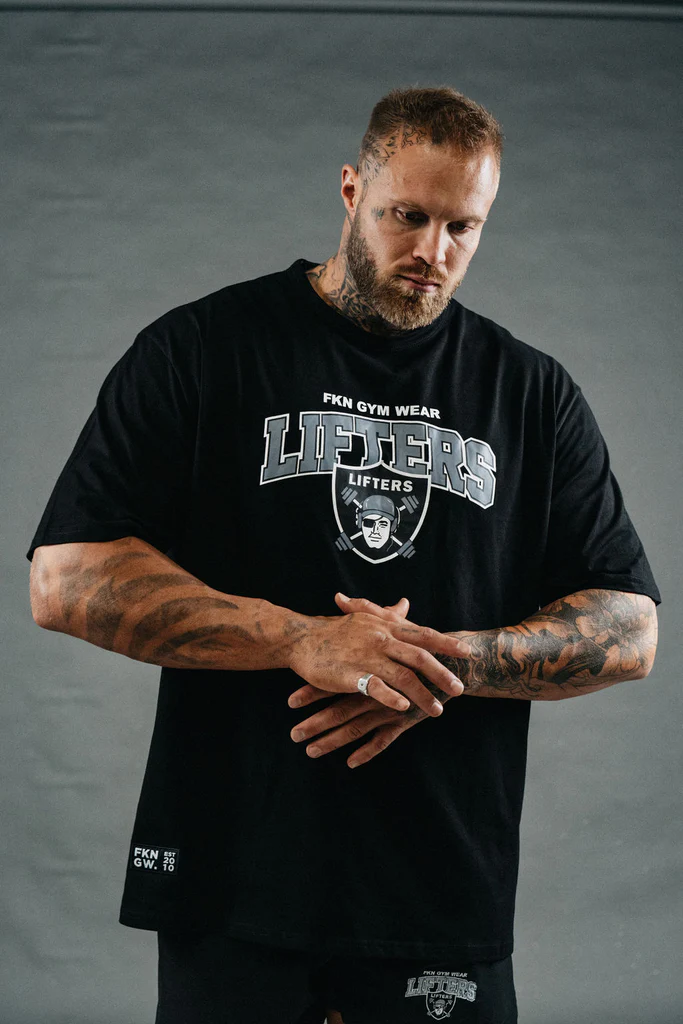
Step 1: Product Design & Fit Planning
Every oversized T-shirt starts with a clear design direction.
Brands need to define:
- Target customer
- Streetwear or casual positioning
- Desired silhouette
- Fabric weight
- Visual style
For example:
Streetwear Oversized Tee
Usually requires:
- Heavyweight fabric
- Boxy shape
- Dropped shoulders
- Strong structure
Casual Oversized Tee
Usually requires:
- Softer fabric
- Relaxed fit
- Comfortable drape
Step 2: Choosing the Right Fabric
Fabric plays a major role in oversized T-shirt quality.
Because oversized garments contain more fabric volume, the wrong material can make the product look weak or lose shape.
Common fabric choices:
| Fabric | Suitable For |
|---|---|
| Heavyweight Cotton | Premium streetwear |
| Ring-Spun Cotton | Soft premium basics |
| Cotton Jersey | Everyday wear |
| Organic Cotton | Sustainable brands |
| Cotton Blend | Cost-effective products |
Important factors include:
- GSM
- Fabric structure
- Shrinkage
- Softness
- Shape retention
Helpful resource:
Step 3: Creating Oversized Patterns
Pattern development is the most important difference between oversized and regular T-shirts.
Professional pattern makers adjust:
- Shoulder width
- Chest circumference
- Sleeve opening
- Body length
- Neck construction
Why it matters
Simply increasing all measurements creates an oversized shirt that looks poorly fitted.
A good oversized pattern creates:
- Balanced proportions
- Better silhouette
- Premium appearance
Step 4: Sample Development
Before bulk production, brands need to test the oversized sample.
The sample stage checks:
- Overall silhouette
- Shoulder position
- Sleeve length
- Fabric behavior
- Washing effect
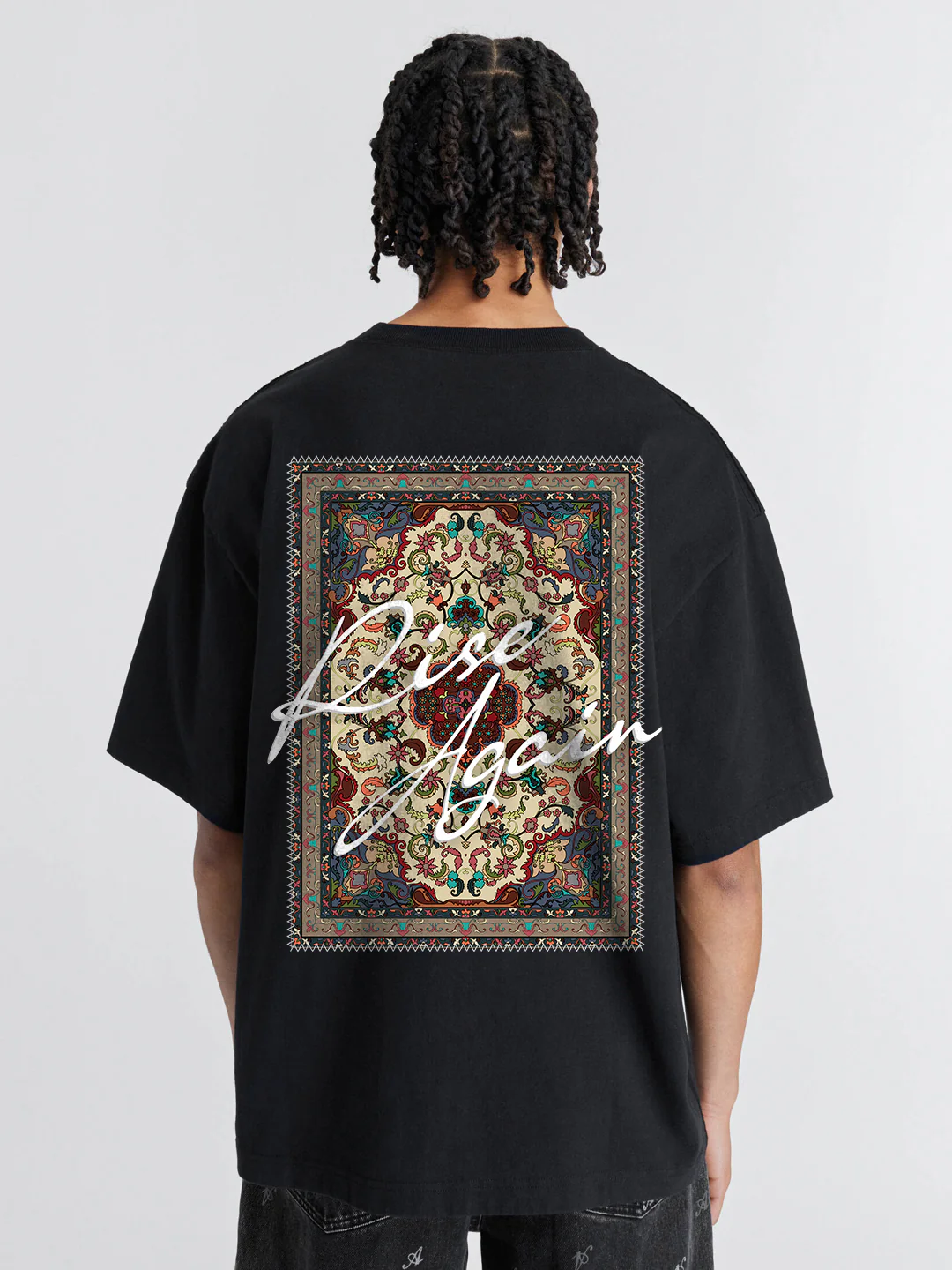
Sample Adjustment Examples
| Issue | Solution |
|---|---|
| Too wide | Adjust body pattern |
| Weak shape | Increase fabric weight |
| Sleeve too long | Modify sleeve measurement |
Step 5: Fabric Cutting
After sample approval, production cutting begins.
Factories prepare:
- Fabric spreading
- Pattern placement
- Cutting layouts
Accurate cutting ensures:
- Consistent sizing
- Reduced fabric waste
- Better production efficiency
Step 6: Sewing & Construction
Oversized T-shirts require careful sewing because the larger shape highlights construction quality.
Common operations include:
- Shoulder joining
- Sleeve attachment
- Side seam sewing
- Neck rib installation
- Bottom hemming
Quality construction improves:
- Durability
- Shape retention
- Premium appearance
Step 7: Printing & Branding
Oversized T-shirts often use larger graphic designs.
Popular decoration methods include:
Printing
- Screen printing
- Puff printing
- DTG printing
- Silicone printing
Embroidery
- Flat embroidery
- 3D embroidery
- Patch embroidery
Brand elements may include:
- Neck labels
- Woven labels
- Hang tags
- Custom packaging
Step 8: Washing & Finishing
Many oversized streetwear brands use special finishing techniques.
Common treatments include:
- Garment wash
- Vintage wash
- Enzyme wash
- Silicone softening
These processes improve:
- Softness
- Texture
- Vintage appearance
Step 9: Quality Inspection
Quality control is essential for oversized products because fit accuracy is highly visible.
Inspection includes:
- Measurement checking
- Stitch inspection
- Print accuracy
- Fabric quality
- Final appearance
Recommended resource:
Oversized T-Shirt Manufacturing Process
| Stage | Purpose |
|---|---|
| Design Planning | Define silhouette |
| Fabric Selection | Choose suitable material |
| Pattern Making | Create oversized fit |
| Sampling | Test proportions |
| Cutting | Prepare fabric panels |
| Sewing | Build garment |
| Decoration | Add branding |
| Washing | Improve texture |
| Inspection | Ensure quality |
| Packaging | Prepare shipment |
Common Mistakes Brands Make
Making a Regular T-Shirt Larger
Oversized clothing requires special patterns, not simple size increases.
Choosing Lightweight Fabric
Thin fabric often creates a cheap-looking oversized silhouette.
Ignoring Shrinkage
Heavy cotton fabrics require proper testing.
Skipping Fit Samples
Small fit problems become expensive during bulk production.
How Bless Clothing Produces Oversized T-Shirts
At Bless Clothing, we help brands develop oversized T-shirts with professional pattern development and manufacturing support.
Our Services
- Oversized fit development
- Fabric sourcing
- Pattern making
- Sample production
- Printing and embroidery
- Private label manufacturing
- Bulk production
- Quality inspection
Helpful Resources:
- Private Label Clothing Manufacturer
- OEM & ODM Services
- Custom Fabric Solutions
- Quality Control Services
Industry Reference:
We help fashion brands create oversized T-shirts with strong silhouettes, premium fabrics, and consistent production quality.
FAQs
How are oversized T-shirts different from regular T-shirts?
Oversized T-shirts use different patterns, wider proportions, dropped shoulders, and longer sleeves.
What fabric is best for oversized T-shirts?
Heavyweight cotton and premium ring-spun cotton are popular choices for structured oversized fits.
Are oversized T-shirts more expensive to produce?
Usually yes, because they use more fabric and require specialized pattern development.
What GSM is good for oversized T-shirts?
Many premium oversized T-shirts use 200–300 GSM fabrics depending on the desired style.
Can startups produce custom oversized T-shirts?
Yes. Many startups begin with small-batch oversized T-shirt collections.
Final Thoughts
Producing a high-quality oversized T-shirt requires much more than increasing the size of a standard shirt.
Successful oversized T-shirts depend on:
- Correct pattern development
- Suitable fabric selection
- Proper construction
- Accurate sampling
- Strict quality control
Great oversized clothing is created through balance, not just extra fabric.
If you're building an oversized T-shirt collection, visit Bless Clothing to learn how we help brands develop and manufacture premium oversized apparel.