
Custom embroidered garments have become a popular choice for clothing brands that want a premium, durable, and professional appearance.
From streetwear labels and fashion startups to corporate apparel brands, embroidery is widely used to create products that feel more valuable and long-lasting.
However, producing high-quality embroidered garments involves much more than simply placing a logo on fabric.
After working with apparel brands on custom embroidery projects, I have learned that the final result depends on many details, including artwork preparation, thread selection, placement accuracy, fabric choice, and production control.
In this guide, I’ll explain how custom embroidered garments are produced, what happens during the embroidery process, and how brands can achieve professional-quality results.
Table of Contents
- Quick Answer
- What Are Custom Embroidered Garments?
- Why Brands Choose Embroidery
- Step 1: Artwork Preparation
- Step 2: Choosing the Right Fabric
- Step 3: Creating the Embroidery File
- Step 4: Selecting Threads and Techniques
- Step 5: Embroidery Production
- Step 6: Trimming and Finishing
- Step 7: Quality Inspection
- Embroidery vs Printing Comparison
- Common Embroidery Problems
- How Bless Clothing Produces Custom Embroidered Garments
- FAQs
- Final Thoughts
Quick Answer
Custom embroidered garments are produced through a series of steps:
- Artwork preparation
- Embroidery file digitization
- Fabric and thread selection
- Machine embroidery
- Trimming and finishing
- Quality inspection
- Packaging and shipping
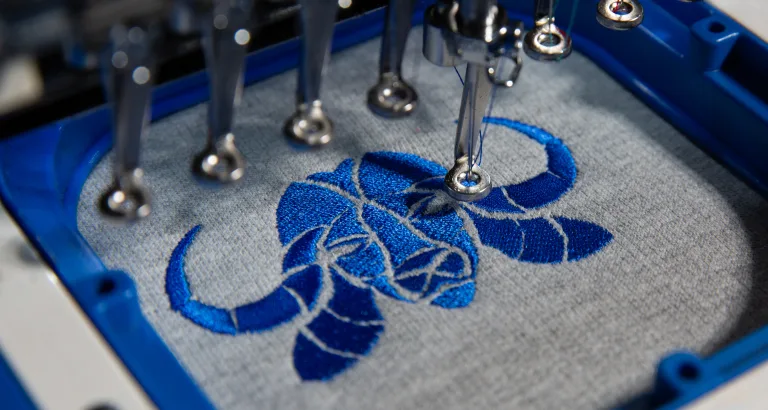
Professional embroidery requires precise design preparation and skilled production control to achieve clean and durable results.
What Are Custom Embroidered Garments?
Custom embroidered garments are clothing products that use stitched thread designs instead of printed graphics.
The embroidery process creates designs by sewing thousands of small stitches directly into the fabric.
Common embroidered products include:
- Hoodies
- T-shirts
- Jackets
- Caps
- Sweatshirts
- Workwear
Embroidery is popular because it creates a premium three-dimensional appearance.
Why Brands Choose Embroidery
Many clothing brands choose embroidery because it offers several advantages.
Premium Appearance
Embroidery creates a textured and high-end visual effect.
Long-Term Durability
Unlike some printing methods, embroidery is resistant to cracking and fading.
Professional Brand Image
Many premium brands use embroidery for logos, badges, and signature designs.
Suitable for Multiple Products
Embroidery works well on:
- Heavyweight fabrics
- Outerwear
- Sweatshirts
- Accessories
Step 1: Artwork Preparation
The embroidery process starts with preparing the design.
Manufacturers review:
- Logo details
- Text size
- Line thickness
- Color requirements
- Placement location
Important Consideration
Not every design works well for embroidery.
Very small details or complex gradients may need adjustment before production.
Step 2: Choosing the Right Fabric
Fabric selection directly affects embroidery quality.
Suitable fabrics include:
| Fabric | Embroidery Performance |
|---|---|
| Cotton | Excellent |
| Fleece | Excellent |
| Denim | Excellent |
| Polyester | Good |
| Lightweight Jersey | Requires careful handling |
Factors to consider:
- Fabric thickness
- Stretch level
- Surface structure
- Stability
Helpful resource:
Step 3: Creating the Embroidery File
Before production, artwork must be converted into a machine-readable embroidery file.
This process is called digitizing.
The digitized file controls:
- Stitch direction
- Stitch density
- Thread sequence
- Design structure
Professional digitizing helps prevent:
- Uneven stitches
- Poor shape definition
- Thread problems
Step 4: Selecting Threads and Techniques
Different embroidery styles create different visual effects.
Common options include:
| Technique | Best For |
|---|---|
| Flat Embroidery | Logos and text |
| 3D Puff Embroidery | Raised effects |
| Patch Embroidery | Streetwear designs |
| Applique Embroidery | Large graphics |
Thread selection affects:
- Color appearance
- Durability
- Texture
Step 5: Embroidery Production
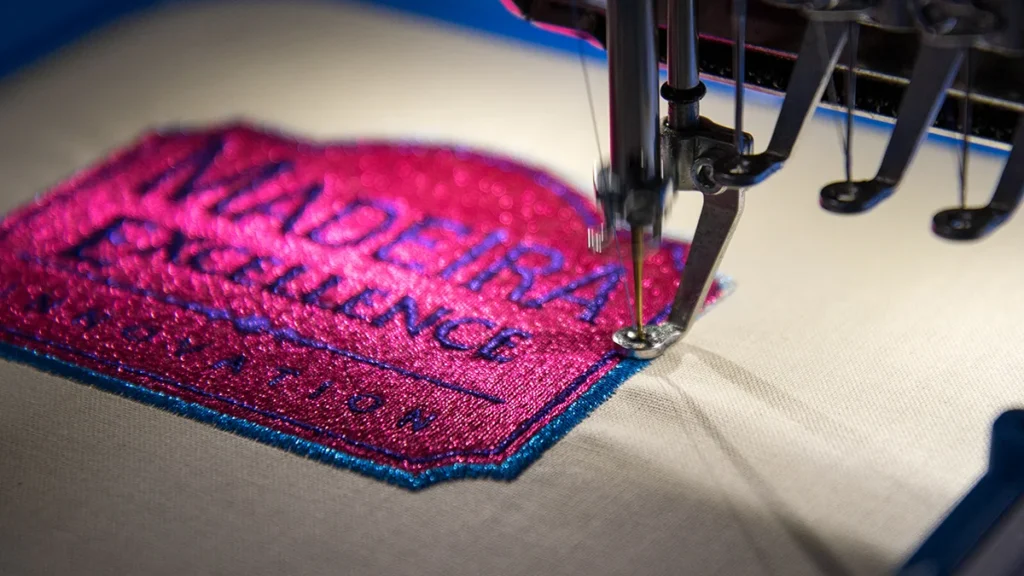
During production, computerized embroidery machines stitch the design onto garments.
The process includes:
- Positioning garments
- Securing fabric
- Loading embroidery files
- Machine stitching
- Removing excess threads
Production speed depends on:
- Design complexity
- Stitch count
- Number of colors
- Garment type
Step 6: Trimming and Finishing
After embroidery is complete, workers perform finishing processes.
This includes:
- Removing loose threads
- Checking stitch quality
- Cleaning the embroidery area
- Applying backing materials if needed
A clean finishing process improves the final appearance.
Step 7: Quality Inspection
Quality control ensures embroidered garments meet brand standards.
Inspectors check:
- Embroidery placement
- Stitch consistency
- Thread tension
- Color accuracy
- Loose threads
- Fabric damage
Recommended resource:
Embroidery vs Printing Comparison
| Feature | Embroidery | Printing |
|---|---|---|
| Appearance | 3D texture | Flat graphic |
| Durability | Very high | Depends on method |
| Best For | Logos and premium products | Large artwork |
| Cost | Higher | Lower |
| Fabric Compatibility | Best on stable fabrics | More flexible |
Which One Should Brands Choose?
Choose embroidery when you want:
- Premium positioning
- Long-lasting branding
- Professional appearance
Choose printing when you need:
- Large artwork
- Detailed images
- Lower production costs
Common Embroidery Problems
Incorrect Placement
Cause:
- Poor measurement
- Incorrect production instructions
Solution:
- Confirm placement before bulk production
Uneven Stitching
Cause:
- Incorrect digitizing
- Poor machine settings
Solution:
- Use professional embroidery files
Fabric Damage
Cause:
- Wrong backing materials
- Incorrect embroidery settings
Solution:
- Test embroidery on samples first
Small Text Problems
Cause:
- Text size too small
Solution:
- Adjust artwork before production
How Bless Clothing Produces Custom Embroidered Garments
At Bless Clothing, we help brands create custom embroidered garments with reliable quality and professional production control.
Our embroidery services include:
- Logo embroidery
- 3D puff embroidery
- Patch embroidery
- Custom branding
- Sample development
- Bulk production
- Quality inspection
Helpful Resources:
- Private Label Clothing Manufacturer
- OEM & ODM Services
- Quality Control Services
- Custom Fabric Solutions
Industry Reference:
We help fashion brands transform logos and artwork into premium embroidered apparel.
FAQs
How long does custom embroidery production take?
Production time depends on design complexity, order quantity, and sampling requirements.
Is embroidery better than printing?
It depends on your product goals. Embroidery provides a premium and durable effect, while printing works better for detailed artwork.
Can embroidery be applied to all fabrics?
Most stable fabrics work well, but lightweight or highly stretchy fabrics require special handling.
Is embroidery more expensive?
Usually yes, because it requires additional production time and materials.
Should brands test embroidery before bulk production?
Yes. Sampling helps confirm placement, size, and overall appearance.
Final Thoughts
Custom embroidered garments are created through a combination of technology, craftsmanship, and quality control.
A successful embroidery project depends on:
- Proper artwork preparation
- Correct digitizing
- Suitable fabrics
- Professional production
- Careful inspection
High-quality embroidery is not just decoration—it is a powerful way to increase brand value and product perception.
If you are developing custom embroidered apparel, visit Bless Clothing to learn how we help brands create premium embroidered garments from concept to production.