
If you've ever worn a premium hoodie or sweatshirt with an incredibly soft interior, chances are it was made from brushed fleece fabric. This material has become one of the most popular choices for streetwear, sportswear, and luxury casual apparel because it combines warmth, comfort, and durability.
Many clothing brands ask me:
What exactly is brushed fleece fabric, and why do premium brands use it?
The answer is simple: brushed fleece is a knit fabric whose inner surface is mechanically brushed to create a soft, fluffy texture. This finishing process improves warmth and comfort while giving garments a more premium feel.
After working with apparel manufacturers and private label brands, I've found that brushed fleece is often the preferred fabric for hoodies and sweatshirts because it delivers the comfort customers expect from high-quality casualwear.
In this guide, I'll explain how brushed fleece is made, compare it with other fabrics, and help you decide whether it's the right choice for your next apparel collection.
Table of Contents
- Quick Answer
- What Is Brushed Fleece Fabric?
- How Is Brushed Fleece Made?
- Brushed Fleece vs French Terry
- Advantages of Brushed Fleece
- Disadvantages of Brushed Fleece
- Best Uses for Brushed Fleece
- How to Choose the Right Brushed Fleece
- Common Fabric Selection Mistakes
- How Bless Clothing Sources Premium Fleece Fabrics
- FAQs
- Final Thoughts
Quick Answer
Brushed fleece is a knit fabric with a mechanically brushed inner surface that creates a soft, warm, and comfortable texture.
It is widely used for:
- Hoodies
- Sweatshirts
- Joggers
- Loungewear
- Winter casualwear
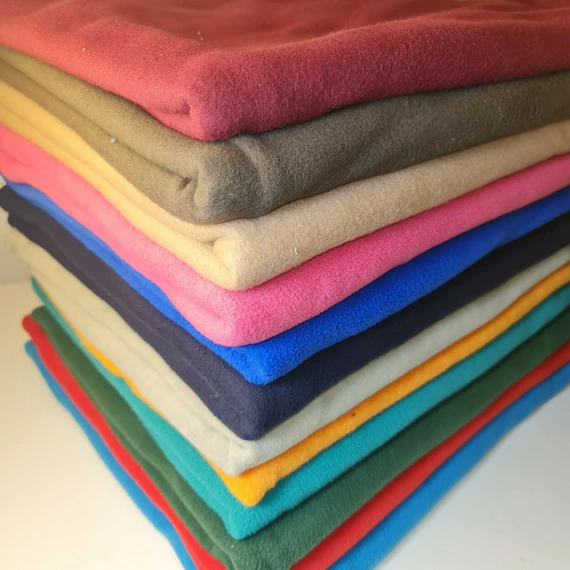
Compared with French terry, brushed fleece provides greater warmth and a softer interior, making it ideal for colder weather and premium streetwear collections.
What Is Brushed Fleece Fabric?
Brushed fleece begins as a standard knit fabric, often made from:
- 100% Cotton
- Cotton-polyester blends
- Organic cotton
- Cotton fleece
During finishing, the inside of the fabric passes through brushing machines that gently lift the fibers.
This creates a plush surface that:
- Traps warm air
- Feels softer
- Improves insulation
- Enhances comfort
The outer surface remains smooth, making it suitable for printing and embroidery.
How Is Brushed Fleece Made?
The production process generally includes:
1. Knitting the Fabric
The base fabric is knitted using cotton or blended yarns.
2. Dyeing
The fabric is dyed to the required color before finishing.
3. Brushing
Special machines raise the fibers on the inner surface, creating a soft fleece texture.
4. Finishing
The fabric undergoes finishing treatments such as:
- Shrink control
- Softening
- Quality inspection
Proper finishing ensures the fabric maintains its appearance after repeated washing.
Brushed Fleece vs French Terry
Although both fabrics are commonly used for hoodies and sweatshirts, they offer different characteristics.
| Feature | Brushed Fleece | French Terry |
|---|---|---|
| Warmth | Excellent | Moderate |
| Softness | Excellent | Very Good |
| Breathability | Good | Excellent |
| Weight | Usually Heavier | Usually Lighter |
| Winter Performance | Excellent | Good |
| Summer Comfort | Moderate | Excellent |
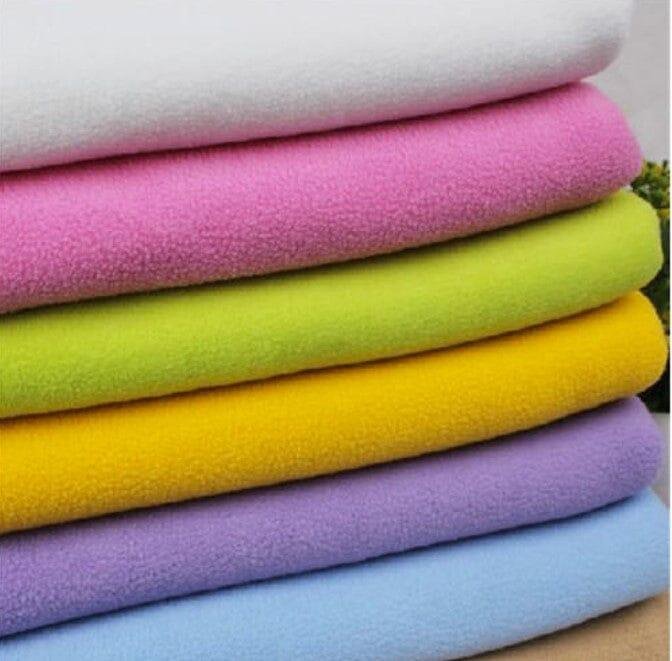
French terry is ideal for lightweight apparel, while brushed fleece is better suited to premium winter garments.
Advantages of Brushed Fleece
Exceptional Softness
The brushed interior creates a plush texture that feels comfortable against the skin.
Better Warmth
Brushing traps air inside the fabric, improving insulation without requiring extremely heavy materials.
Premium Appearance
Brushed fleece gives hoodies and sweatshirts a thicker, higher-quality look and feel.
Excellent Durability
When manufactured with quality yarn and proper finishing, brushed fleece maintains its softness and structure through repeated wear.
Ideal for Custom Decoration
The smooth outer surface supports:
- Screen printing
- Puff printing
- DTG printing
- Embroidery
Helpful resource:
Disadvantages of Brushed Fleece
Despite its advantages, brushed fleece isn't the best choice for every garment.
Potential drawbacks include:
- Less breathable than French terry
- Warmer in hot climates
- Slightly higher production cost
- Longer drying time after washing
Brands targeting tropical or summer markets may prefer lighter fabrics.
Best Uses for Brushed Fleece
Brushed fleece is commonly used for:
- Oversized hoodies
- Premium sweatshirts
- Joggers
- Matching lounge sets
- Winter casualwear
- Streetwear collections
Many premium fashion brands use heavyweight brushed fleece between 350 and 500 GSM to achieve a structured, luxury feel.
How to Choose the Right Brushed Fleece
When selecting brushed fleece, consider the following factors.
Fabric Composition
Popular options include:
- 100% Cotton
- 80% Cotton / 20% Polyester
- Organic cotton blends
GSM
| Hoodie Type | Recommended GSM |
|---|---|
| Standard Hoodie | 320–350 GSM |
| Premium Hoodie | 350–420 GSM |
| Luxury Streetwear | 420–500 GSM |
Product Positioning
Choose heavier brushed fleece for premium streetwear and lighter fleece for everyday casual collections.
Common Fabric Selection Mistakes
Choosing GSM Without Considering Climate
Heavier isn't always better. Fabric weight should match your target market.
Ignoring Fabric Finishing
The quality of brushing and finishing significantly affects softness, durability, and pilling resistance.
Skipping Fabric Testing
Before production, always test:
- Shrinkage
- Color fastness
- Pilling
- Hand feel
- Fabric recovery
Recommended resource:
Selecting Fabric Based Only on Price
Premium customers value comfort and durability more than simply choosing the lowest-cost fabric.
How Bless Clothing Sources Premium Fleece Fabrics
At Bless Clothing, we help apparel brands select brushed fleece fabrics that align with their product positioning and customer expectations.
Our services include:
- Fabric sourcing
- GSM recommendations
- Sample development
- Private label manufacturing
- Printing and embroidery
- Quality inspection
- Bulk production
Helpful Resources:
- Custom Fabric Solutions
- Private Label Clothing Manufacturer
- OEM & ODM Services
- Quality Control Services
Industry Reference:
We help brands manufacture premium hoodies and sweatshirts using carefully selected brushed fleece fabrics that deliver lasting comfort and quality.
FAQs
What is brushed fleece fabric?
Brushed fleece is a knit fabric whose inner surface has been mechanically brushed to create a soft, insulating texture.
Is brushed fleece warmer than French terry?
Yes. Brushed fleece traps more air, providing better insulation and warmth.
Is brushed fleece good for hoodies?
Absolutely. It is one of the most popular fabrics for premium hoodies because it combines softness, warmth, and durability.
Does brushed fleece pill?
High-quality brushed fleece with proper finishing is designed to minimize pilling, although fabric quality plays an important role.
What GSM is best for brushed fleece hoodies?
Most premium hoodies use brushed fleece between 350 and 450 GSM, depending on the desired weight and style.
Final Thoughts
Brushed fleece has become a preferred fabric for premium hoodies and sweatshirts because it offers exceptional softness, warmth, and a luxurious feel.
While French terry remains an excellent option for lightweight apparel, brushed fleece is the better choice for winter collections, oversized hoodies, and premium streetwear.
By selecting the right fabric composition, GSM, and finishing process, brands can create garments that deliver long-lasting comfort and customer satisfaction.
If you're developing a premium hoodie or sweatshirt collection, visit Bless Clothing to learn how we help brands source high-quality brushed fleece fabrics and manufacture custom apparel from concept to bulk production.