
Choosing the right fabric is one of the most important decisions when developing casual clothing. Whether you're designing T-shirts, polo shirts, joggers, dresses, or matching lounge sets, the fabric directly affects comfort, fit, durability, and customer satisfaction.
One question I hear frequently from clothing brands is:
Should you choose 100% cotton or a cotton-spandex blend for casualwear?
The answer depends on what your customers expect. Pure cotton delivers a natural, breathable feel, while cotton-spandex adds stretch, flexibility, and improved shape retention. Neither fabric is universally better—they simply serve different purposes.
After working with private label apparel brands, I've found that understanding the strengths of each fabric helps brands build collections that perform better and generate more repeat customers.
In this guide, I'll compare cotton and cotton-spandex fabrics, explain when each is the better choice, and help you select the right material for your casualwear collection.
Table of Contents
- Quick Answer
- What Is 100% Cotton Fabric?
- What Is Cotton-Spandex Fabric?
- Cotton vs Cotton-Spandex Comparison
- Comfort and Breathability
- Stretch and Shape Retention
- Durability and Care
- Which Fabric Is Best for Different Casualwear?
- How to Choose the Right Fabric
- Common Fabric Selection Mistakes
- How Bless Clothing Helps Develop Casualwear Collections
- FAQs
- Final Thoughts
Quick Answer
Both fabrics are excellent, but they are designed for different purposes.
- Choose 100% cotton if you want maximum breathability, softness, and a natural feel.
- Choose cotton-spandex if you need stretch, better shape retention, and improved wearing comfort.
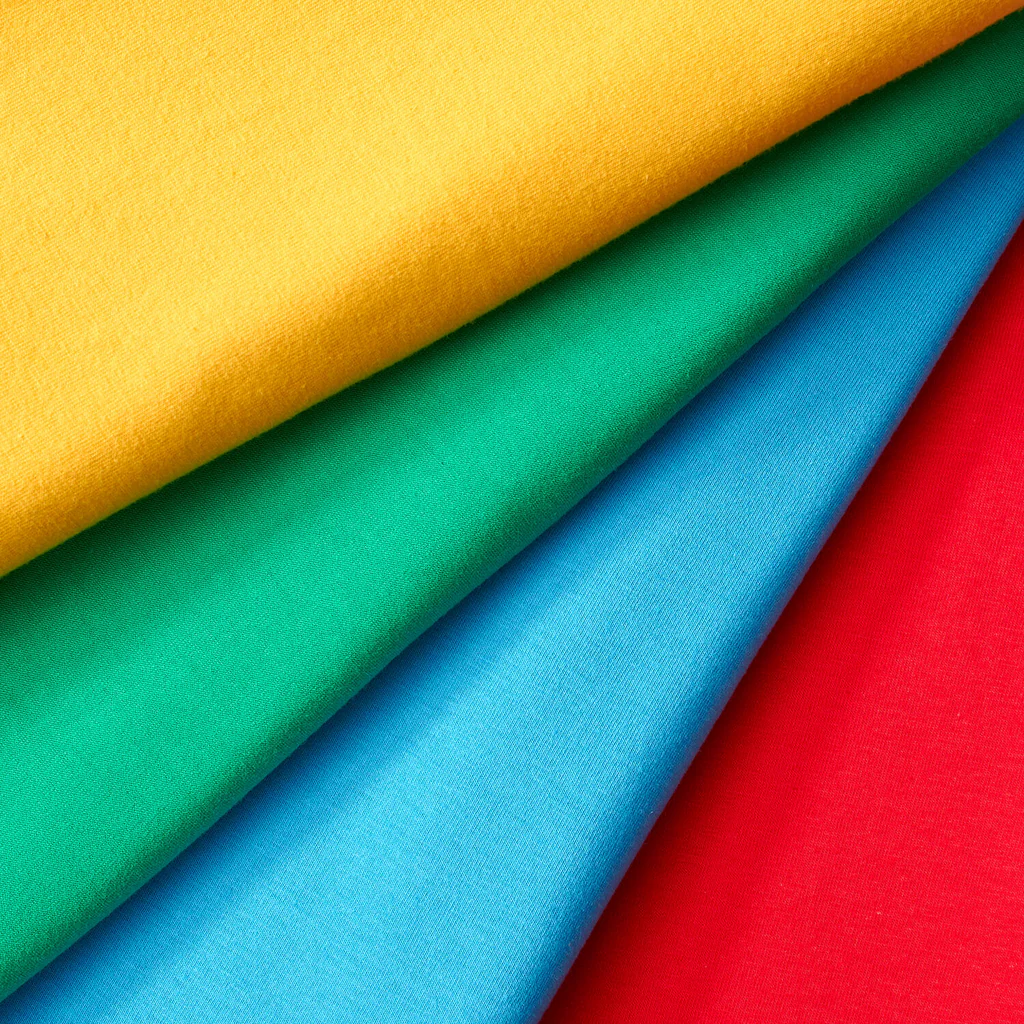
For most modern casualwear collections, a 95% cotton / 5% spandex blend offers one of the best balances between comfort and performance.
What Is 100% Cotton Fabric?
Cotton is a natural fiber that has been used in apparel for centuries.
It is known for:
- Excellent breathability
- Soft hand feel
- Natural comfort
- Skin-friendly performance
- Moisture absorption
Because of these characteristics, cotton remains one of the most popular fabrics for everyday clothing.
Common applications include:
- T-shirts
- Shirts
- Sweatshirts
- Lounge tops
- Casual dresses
What Is Cotton-Spandex Fabric?
Cotton-spandex combines natural cotton fibers with a small amount of elastane (also called spandex or Lycra).
Typical fabric blends include:
- 95% Cotton / 5% Spandex
- 97% Cotton / 3% Spandex
Adding spandex improves:
- Stretch
- Recovery
- Fit
- Freedom of movement
This makes the fabric especially suitable for modern fitted casualwear.
Cotton vs Cotton-Spandex Comparison
| Feature | 100% Cotton | Cotton-Spandex |
|---|---|---|
| Softness | Excellent | Excellent |
| Breathability | Excellent | Very Good |
| Stretch | Low | Excellent |
| Shape Retention | Moderate | Excellent |
| Comfort | Excellent | Excellent |
| Wrinkle Resistance | Moderate | Better |
| Fit | Relaxed | More fitted |
| Durability | Very Good | Excellent |
Both fabrics provide outstanding comfort, but cotton-spandex offers greater flexibility for active daily wear.
Comfort and Breathability
Comfort is one of the biggest reasons consumers choose cotton.
Cotton
Advantages include:
- Natural softness
- Excellent airflow
- Comfortable in warm climates
- Gentle against sensitive skin
It is ideal for relaxed everyday clothing.
Cotton-Spandex
Although slightly less breathable than pure cotton, cotton-spandex still offers excellent comfort while adding flexibility.
Benefits include:
- Better body movement
- Improved fit
- Greater wearing comfort throughout the day
Stretch and Shape Retention
This is where cotton-spandex has the biggest advantage.
Cotton
Pure cotton has limited elasticity.
Over time it may:
- Stretch out
- Lose shape
- Wrinkle more easily
Cotton-Spandex
The added elastane allows garments to:
- Stretch comfortably
- Recover their original shape
- Maintain a cleaner appearance after repeated wear
This makes it ideal for slim-fit and active casualwear.
Durability and Care
Both fabrics are durable when manufactured correctly.
Cotton
Advantages:
- Long-lasting natural fiber
- Easy to wash
- Comfortable after repeated wear
Potential drawbacks:
- Slight shrinkage
- More wrinkles
Cotton-Spandex
Advantages:
- Better wrinkle resistance
- Improved shape retention
- Reduced fabric distortion
- Longer-lasting fit
Proper fabric finishing and quality control further improve durability.
Helpful resources:
Which Fabric Is Best for Different Casualwear?
| Product | Recommended Fabric |
|---|---|
| Basic T-Shirts | 100% Cotton |
| Premium T-Shirts | Cotton-Spandex |
| Polo Shirts | Cotton-Spandex |
| Casual Dresses | Cotton-Spandex |
| Joggers | Cotton-Spandex |
| Lounge Tops | Cotton |
| Stretch Pants | Cotton-Spandex |
| Everyday Basics | Either Fabric |
The best choice depends on whether comfort or flexibility is the primary goal.
How to Choose the Right Fabric
When selecting fabric for casualwear, consider the following questions.
Who Is Your Target Customer?
If customers prioritize:
- Relaxed comfort → Cotton
- Slim fit and movement → Cotton-Spandex
What Is Your Brand Positioning?
Premium lifestyle brands often combine cotton with a small amount of spandex to improve overall garment performance without sacrificing comfort.
How Will the Garment Be Worn?
For active daily wear, stretch fabrics usually provide a better customer experience.
For relaxed essentials, pure cotton remains a timeless choice.
Common Fabric Selection Mistakes
Choosing Fabric Based Only on Cost
Lower-cost materials may reduce customer satisfaction if they don't meet performance expectations.
Ignoring Stretch Requirements
Not every casual garment needs stretch, but fitted silhouettes usually benefit from elastane.
Overlooking Fabric Testing
Before production, evaluate:
- Shrinkage
- Color fastness
- Stretch recovery
- Pilling resistance
- Hand feel
Selecting the Wrong Fabric for the Product
Matching the fabric to the garment's purpose is more important than following trends.
How Bless Clothing Helps Develop Casualwear Collections
At Bless Clothing, we help apparel brands choose fabrics that balance comfort, durability, appearance, and production efficiency.
Our services include:
- Fabric sourcing
- Material recommendations
- GSM selection
- Sample development
- Private label manufacturing
- Printing and embroidery
- Quality inspection
- Bulk production
Helpful Resources:
- Custom Fabric Solutions
- Private Label Clothing Manufacturer
- OEM & ODM Services
- Quality Control Services
Industry Reference:
We help fashion brands develop casualwear collections using carefully selected fabrics that deliver long-term comfort, quality, and customer satisfaction.
FAQs
Is cotton better than cotton-spandex?
Not necessarily. Cotton offers superior breathability, while cotton-spandex provides better stretch and shape retention.
Does cotton-spandex shrink?
High-quality cotton-spandex fabrics experience less shrinkage than untreated 100% cotton, especially after proper pre-shrinking.
What is the best cotton-spandex ratio?
A blend of 95% cotton and 5% spandex is one of the most popular choices for premium casualwear because it provides excellent comfort with moderate stretch.
Is cotton-spandex good for T-shirts?
Yes. It creates a more fitted silhouette while maintaining a soft and comfortable feel.
Which fabric lasts longer?
Both fabrics can last a long time, but cotton-spandex generally maintains its shape better after repeated washing and daily wear.
Final Thoughts
Choosing between cotton and cotton-spandex isn't about finding a single "better" fabric—it's about matching the material to your product and customer expectations.
In general:
- Choose 100% cotton for breathable, relaxed everyday essentials.
- Choose cotton-spandex for garments that require flexibility, improved fit, and long-lasting shape retention.
The right fabric choice can significantly improve product quality, customer satisfaction, and repeat purchases.
If you're developing a premium casualwear collection, visit Bless Clothing to learn how we help brands source high-quality fabrics and manufacture custom apparel from concept to bulk production.