
Buying custom hoodies for your clothing brand is one of the biggest steps when building a new collection. A hoodie may look simple, but creating a high-quality custom product requires decisions about fabric, fit, construction, printing, labeling, manufacturing, and quality control.
Many new brands ask me:
How do I buy custom hoodies without making expensive mistakes?
The answer is not simply finding the cheapest supplier. Successful brands focus on choosing the right manufacturing partner, selecting suitable materials, and creating a hoodie that matches their target customers.
After working with apparel brands on custom hoodie projects, I've learned that the best results come from a clear development process. When brands understand each step before production begins, they reduce delays, improve quality, and create products customers actually want to wear.
This guide explains how to buy custom hoodies for your brand, what decisions you need to make, and how to choose the right production approach.
Table of Contents
- Quick Answer
- Define Your Custom Hoodie Requirements
- Choose the Right Hoodie Fabric
- Select the Right Hoodie Weight and GSM
- Decide on Customization Methods
- Find the Right Hoodie Manufacturer
- Understand MOQ, Sampling, and Production
- Quality Checks Before Bulk Production
- Common Mistakes When Buying Custom Hoodies
- How Bless Clothing Helps Brands Create Custom Hoodies
- FAQs
- Final Thoughts
Quick Answer
To buy custom hoodies for your brand, you should follow these steps:
- Define your hoodie style and target customer
- Choose the right fabric and GSM
- Select printing or embroidery methods
- Find a reliable clothing manufacturer
- Develop samples before bulk production
- Complete quality inspection before shipment
For most streetwear and casual brands, a premium hoodie usually uses:
- 350–450 GSM fabric
- Cotton or cotton-blend materials
- Custom labels
- Professional printing or embroidery
- Proper quality control
Define Your Custom Hoodie Requirements
Before contacting a manufacturer, you should clearly define your product requirements.
A professional supplier will usually ask:
- What hoodie style do you need?
- What fabric do you want?
- What quantity are you producing?
- What customization is required?
- What is your target market?
Creating a clear product brief helps avoid misunderstandings.
Decide Your Hoodie Style
Common custom hoodie styles include:
| Style | Best For |
|---|---|
| Pullover Hoodie | Streetwear and casual brands |
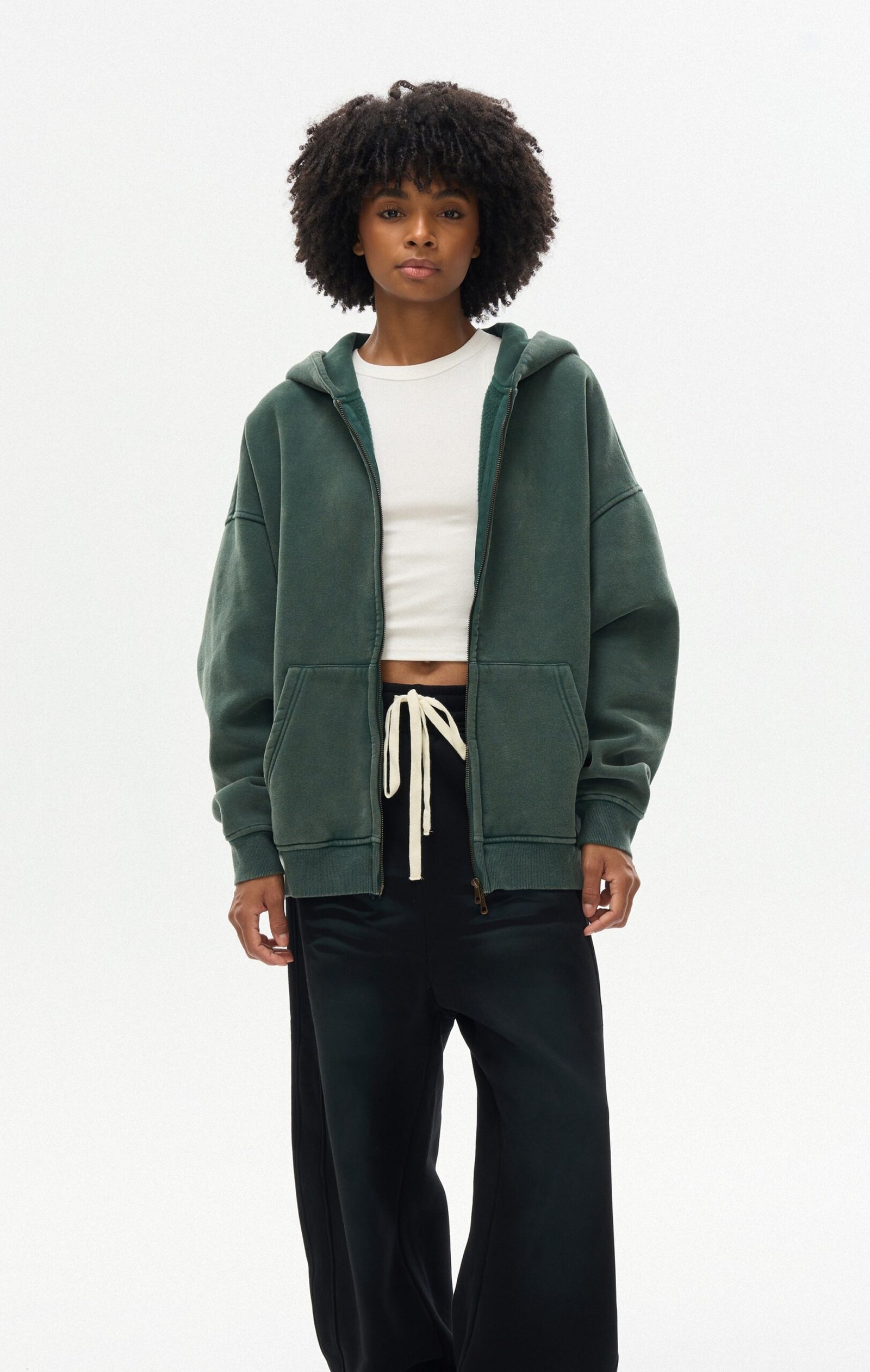
| Zip Hoodie | Everyday lifestyle wear |
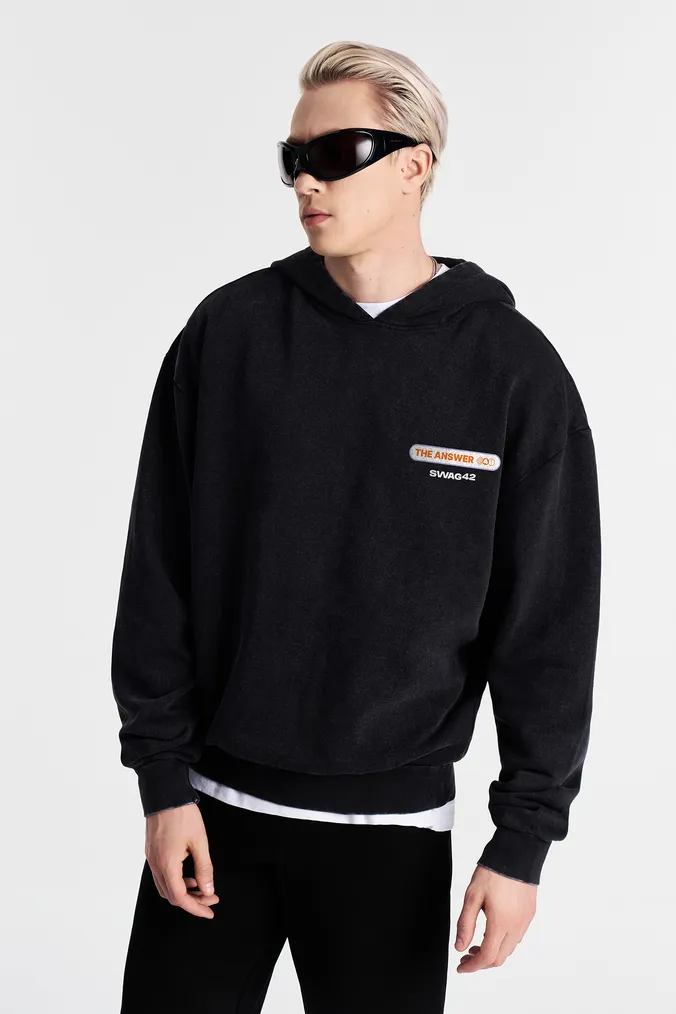
| Oversized Hoodie | Premium streetwear |
| Cropped Hoodie | Women's fashion |
| Heavyweight Hoodie | Luxury collections |
Your hoodie style should match your brand identity.
Choose the Right Hoodie Fabric
Fabric selection determines the comfort, appearance, and perceived value of your hoodie.
Common hoodie fabrics include:
| Fabric | Advantages | Best Use |
|---|---|---|
| Cotton Fleece | Soft and warm | Premium hoodies |
| French Terry | Lightweight and breathable | Everyday wear |
| Cotton-Spandex | Stretch and comfort | Fitted styles |
| Cotton Polyester Blend | Durable and cost-effective | Large production |
Premium streetwear brands often choose heavyweight cotton fleece because it creates a structured and luxurious feel.
Helpful resource:
Select the Right Hoodie Weight and GSM
GSM (grams per square meter) determines fabric weight.
A higher GSM usually means:
- Thicker fabric
- More warmth
- More premium appearance
| GSM Range | Hoodie Type |
|---|---|
| 240–320 GSM | Lightweight hoodies |
| 320–380 GSM | Everyday premium hoodies |
| 380–450 GSM | Heavyweight streetwear hoodies |
| 450+ GSM | Luxury oversized hoodies |
For premium custom hoodies, many brands choose 380–450 GSM.
Decide on Customization Methods
Custom hoodies can be personalized through different techniques.
Screen Printing
Best for:
- Large graphics
- Streetwear designs
- Bulk production
Advantages:
- Cost-effective
- Durable
- Vibrant colors
Embroidery
Best for:
- Logos
- Premium branding
- Minimal designs
Advantages:
- High-end appearance
- Long-lasting
Puff Printing
Popular in modern streetwear.
Creates:
- Raised texture
- Premium visual effect
- Unique branding
Custom Labels and Packaging
Professional brands usually include:
- Neck labels
- Woven labels
- Hang tags
- Custom packaging
These details improve brand recognition.
Find the Right Hoodie Manufacturer
Choosing the right manufacturer is one of the most important decisions.
A reliable hoodie manufacturer should provide:
- Fabric options
- Sample development
- Clear communication
- Quality inspection
- Production experience
- Flexible customization
Before working with a supplier, ask:
| Question | Why It Matters |
|---|---|
| What is your MOQ? | Determines production flexibility |
| Can you make samples? | Checks quality before bulk |
| What fabrics do you offer? | Ensures product quality |
| What is production time? | Helps planning |
| Do you inspect products? | Reduces quality problems |
Understand MOQ, Sampling, and Production
Most clothing brands start with small quantities before scaling.
Typical process:
1. Product Discussion
Confirm:
- Design
- Fabric
- Measurements
- Custom details
2. Sample Development
A sample allows you to check:
- Fit
- Fabric quality
- Construction
- Appearance
3. Bulk Production
After approval:
- Fabric preparation
- Cutting
- Sewing
- Printing/embroidery
- Quality inspection
- Shipment
Helpful resource:
Private Label Clothing Manufacturer
Quality Checks Before Bulk Production
Never skip quality control.
Important checks include:
- Fabric inspection
- Color consistency
- Stitch quality
- Measurements
- Printing quality
- Packaging
A professional inspection process helps prevent expensive customer complaints.
Recommended resource:
Common Mistakes When Buying Custom Hoodies
Choosing the Cheapest Manufacturer
Lower prices often come with:
- Lower fabric quality
- Poor construction
- Limited communication
Ordering Bulk Without Samples
A sample reveals problems before they become expensive.
Ignoring Fabric Weight
A hoodie that looks good in pictures may feel cheap if the GSM is too low.
Copying Existing Brands Without Differentiation
Successful brands build unique identity through:
- Fabric choices
- Fit
- Details
- Branding
How Bless Clothing Helps Brands Create Custom Hoodies
At Bless Clothing, we help fashion brands develop custom hoodies from concept to bulk production.
Our hoodie manufacturing services include:
- Fabric sourcing
- Hoodie design development
- Pattern making
- Sample production
- Custom labels
- Printing and embroidery
- Quality inspection
- Bulk manufacturing
Helpful Resources:
- Custom Fabric Solutions
- Private Label Clothing Manufacturer
- OEM & ODM Services
- Quality Control Services
Industry Reference:
We work with clothing brands to create premium custom hoodies that match their target market, pricing strategy, and brand vision.
FAQs
How much does it cost to make custom hoodies?
The cost depends on fabric, quantity, customization, printing methods, and packaging requirements.
What is the MOQ for custom hoodies?
MOQ depends on the manufacturer and customization level. Many brands start with small production runs before scaling.
How long does custom hoodie production take?
Production time varies depending on materials and order complexity. Sample approval and fabric preparation can affect the timeline.
What fabric is best for custom hoodies?
Cotton fleece is popular for premium hoodies because it provides softness, warmth, and structure.
Should I choose printing or embroidery?
Choose printing for large graphics and embroidery for premium logos or smaller branding details.
Final Thoughts
Buying custom hoodies for your brand requires more than choosing a design and placing an order.
The most successful brands carefully consider:
- Fabric quality
- Hoodie construction
- Custom details
- Manufacturing partner
- Quality control
A well-made hoodie can become one of the strongest products in your collection because customers value comfort, durability, and design.
If you're ready to develop custom hoodies for your clothing brand, visit Bless Clothing to learn how we help brands create premium apparel from idea to finished product.