
High-quality casual clothing feels comfortable, fits correctly, survives regular washing, and keeps its appearance after repeated wear.
It is not defined by price, fabric weight, or brand name alone.
From my experience developing casual clothing, I judge quality through six connected areas:
High-quality casual clothing combines suitable fabric, accurate fit, durable construction, reliable trims, good wash performance, and consistent production.
A garment may look impressive when new, but the real test is how it performs after wearing and washing.
This guide explains how consumers and clothing brands can identify quality before buying or approving bulk production.
Table of Contents
- Quick Answer
- The Six-Part Quality Formula
- Start With the Right Fabric
- Check Fit and Pattern Quality
- Inspect Stitching and Construction
- Examine Trims and Small Details
- Check Comfort and Function
- Test Wash Performance
- Quality Signs by Product Type
- Use the Five-Minute Quality Check
- Quality Advice for Clothing Brands
- High-Quality vs Expensive Clothing
- Common Quality Red Flags
- FAQ
- Conclusion
Quick Answer
High-quality casual clothing should:
- Feel comfortable against the skin.
- Use fabric suitable for the product.
- Fit according to its intended design.
- Have straight, secure stitching.
- Use reliable zippers, buttons, and trims.
- Keep its size and shape after washing.
- Resist excessive fading, twisting, and pilling.
- Remain consistent across different pieces and sizes.
My simplest definition is:
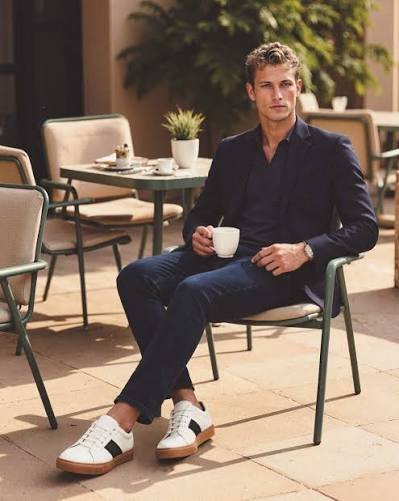
Quality casual clothing should still look and feel good after normal wear—not only when it is new.
Do not judge quality from one feature alone. Thick fabric, neat packaging, or a high price cannot compensate for poor fit or weak construction.
The Six-Part Quality Formula
I use this formula when reviewing casual clothing samples:
| Quality Area | What It Means |
|---|---|
| Fabric | Suitable softness, weight, stability, and durability |
| Fit | Correct measurements and balanced proportions |
| Construction | Secure seams and clean workmanship |
| Trims | Reliable zippers, buttons, rib, labels, and elastic |
| Wash Performance | Controlled shrinkage, fading, twisting, and pilling |
| Consistency | Similar quality across sizes, colors, and production batches |
A garment should perform well in all six areas.
For example, a T-shirt may use premium cotton but still be poor quality if the neckline stretches after one wash. A hoodie may feel soft but fail if the zipper waves or the rib loses its recovery.
Start With the Right Fabric
Good fabric is not simply the thickest or most expensive option.
The fabric must match the product and how the customer will use it.
What to Check
- Fiber composition
- Fabric weight
- Softness
- Breathability
- Stretch and recovery
- Surface appearance
- Shrinkage
- Color stability
- Pilling resistance
- Durability
Fabric Should Match the Product
| Product | Useful Fabric Qualities |
|---|---|
| Everyday T-shirt | Soft, breathable, stable neckline |
| Hoodie | Comfortable, warm, good shape retention |
| Casual pants | Durable, flexible, resistant to bagging |
| Shirt | Breathable, smooth, easy to maintain |
| Loungewear | Soft, flexible, comfortable against the skin |
| Lightweight jacket | Durable, stable, suitable for layering |
A heavy fabric is not automatically better. A very thick T-shirt may feel uncomfortable in hot weather, while a fabric that is too thin may become transparent or lose shape.
Brands choosing materials can review Custom Fabric Development and the Custom Fabric Catalog.
Check Fit and Pattern Quality
Good quality begins with a balanced pattern.
The garment should match its intended fit, whether it is slim, regular, relaxed, or oversized.
Important Fit Areas
Check:
- Shoulder position
- Chest width
- Sleeve shape
- Body length
- Neck opening
- Waist and hip balance
- Rise and inseam
- Left-to-right symmetry

An oversized garment should look intentionally oversized. It should not simply be too wide and too long in every area.
Quick Fit Test
Move naturally while wearing the garment:
- Raise your arms.
- Sit down.
- Bend forward.
- Walk normally.
- Check whether seams twist or pull.
- Check whether the neckline or waistband moves excessively.
From my experience, a garment that looks good only while standing still usually needs further pattern adjustment.
Inspect Stitching and Construction
Stitching holds the garment together, but more stitches do not always mean better quality.
The correct stitch type and seam construction depend on the fabric and product.
Signs of Good Construction
- Straight and even seams
- Balanced stitch tension
- No loose or broken threads
- Secure seam endings
- Smooth hems
- Reinforcement at stress points
- Matching left and right sides
- Clean inside finishing
- No puckering around seams
Stress Points to Check
Pay extra attention to:
- Pocket openings
- Underarm seams
- Crotch seams
- Zipper ends
- Drawcord openings
- Shoulder seams
- Side slits
- Button areas
Gently pull the seam. It should remain secure without opening, cracking, or exposing loose stitches.
Good workmanship is often easiest to see inside the garment, not outside it.
Examine Trims and Small Details
Small components can strongly affect the life of casual clothing.
Important trims include:
- Zippers
- Buttons
- Snaps
- Elastic
- Drawcords
- Rib cuffs
- Labels
- Buckles
- Eyelets
- Thread
What Good Trims Should Do
A zipper should move smoothly without catching.
Buttons and snaps should feel secure.
Elastic should return to its original shape after stretching.
Rib cuffs and necklines should recover without becoming loose or wavy.
Labels should be readable and should not cause unnecessary skin irritation.
Brands creating custom products can review Customized Accessories and Trims for different branding and component options.
Check Comfort and Function
Quality clothing should work for the person wearing it.
Comfort depends on more than softness.
It also includes:
- Breathability
- Freedom of movement
- Seam placement
- Fabric weight
- Waistband pressure
- Label comfort
- Pocket position
- Temperature suitability
Comfort Questions to Ask
- Does the fabric feel comfortable after one hour?
- Do seams rub against the skin?
- Does the waistband roll or dig in?
- Are the pockets useful?
- Is the garment suitable for the expected season?
- Does the fabric become uncomfortable when warm?
For casual clothing, comfort is not an optional extra. It is one of the main reasons customers continue wearing the product.
Test Wash Performance
A garment cannot be judged fully before washing.
Washing may reveal:
- Shrinkage
- Color fading
- Dye transfer
- Seam twisting
- Neckline deformation
- Pilling
- Print cracking
- Loose embroidery
- Zipper distortion
- Fabric surface changes
Simple Home Wash Test
- Measure the garment before washing.
- Follow the stated care instructions.
- Dry it using the recommended method.
- Measure it again.
- Compare the shape, color, and surface.
- Try it on again.
For formal testing, ISO 5077 Dimensional Change Testing covers the measurement of dimensional change after washing and drying.
The ISO 12945-2 Pilling Standard addresses fabric resistance to pilling, fuzzing, and matting.
Brands selling in the United States should also review the FTC Care Labeling Guide when preparing care instructions.
Quality Signs by Product Type
Different casual products have different quality risks.
| Product | Main Quality Signs | Common Problems |
|---|---|---|
| T-shirt | Stable neckline, smooth seams, controlled shrinkage | Twisting, loose neck rib, transparency |
| Hoodie | Balanced hood, strong rib, smooth zipper | Heavy hood, waving zipper, weak cuffs |
| Sweatshirt | Soft interior, stable hem, even shape | Pilling, shrinkage, loose rib |
| Casual Pants | Balanced rise, secure pockets, smooth waistband | Seam pulling, twisting legs, weak elastic |
| Shirt | Matching collar, even buttons, clean placket | Puckering, uneven collar, loose buttons |
| Jacket | Smooth closure, secure lining, reinforced seams | Broken zipper, uneven lining, poor symmetry |
| Loungewear | Soft hand feel, flexible seams, stable sizing | Bagging, pilling, uncomfortable labels |
You can compare different casualwear categories through the Custom Clothing Products Catalog.
Use the Five-Minute Quality Check
Use this quick inspection before buying a garment or approving a sample.
Minute 1: Feel the Fabric
Check softness, thickness, stretch, recovery, and surface quality.
Minute 2: Check the Shape
Lay the garment flat. Compare both sides and look for twisting or uneven proportions.
Minute 3: Inspect the Seams
Turn the garment inside out. Check stitch tension, loose threads, reinforcement, and seam finishing.
Minute 4: Test the Trims
Open and close zippers, buttons, snaps, pockets, and drawcords.
Minute 5: Try It On
Sit, walk, raise your arms, and check comfort and movement.
Quick Quality Scorecard
| Area | Score |
|---|---|
| Fabric | /20 |
| Fit | /20 |
| Stitching | /20 |
| Trims | /10 |
| Comfort | /15 |
| Wash Performance | /15 |
| Total | /100 |
| Final Score | Meaning |
|---|---|
| 85–100 | Strong overall quality |
| 70–84 | Good, with minor improvements possible |
| 55–69 | Average; inspect weaknesses carefully |
| Below 55 | High risk of poor performance |
Quality Advice for Clothing Brands
For brands, one good sample is not enough. Bulk consistency is equally important.
Before production, approve:
- Fabric quality
- Color
- Measurements
- Fit
- Stitching
- Printing or embroidery
- Trims
- Labels
- Packaging
- Care instructions
The approved sample should become the main production reference.
Recommended Quality Stages
| Stage | Main Checks |
|---|---|
| Fabric Inspection | Color, weight, width, defects, shrinkage |
| Pre-Production | Approved sample, measurements, trims |
| In-Line Inspection | Sewing, construction, workmanship |
| Finishing Inspection | Pressing, threads, stains, appearance |
| Final Inspection | Quantity, sizing, labels, packing |
Quality problems should be found during production rather than after every garment is packed.
Brands can review the full process through Quality Control Services.
For complete product development, sampling, and production support, see OEM and ODM Manufacturing Services and Private Label Clothing Manufacturing.
High-Quality vs Expensive Clothing
Expensive clothing is not always high-quality, and affordable clothing is not always poor-quality.
Price may include:
- Branding
- Marketing
- Retail rent
- Packaging
- Design development
- Materials
- Manufacturing
- Shipping
- Profit margins
Judge the garment itself.
Do Not Rely Only On
- Brand name
- Retail price
- Fabric thickness
- Country of origin
- Packaging
- Fiber composition
- Product photography
A “100% cotton” label does not tell you the yarn quality, shrinkage, construction, colorfastness, or sewing quality.
A high GSM number also does not guarantee comfort or durability.
Quality comes from how materials, fit, construction, and production control work together.
Common Quality Red Flags
Be careful when you notice:
- Strong chemical odor
- Uneven left and right sides
- Loose or skipped stitches
- Fabric pulling around seams
- Wavy zippers
- Weak buttons or snaps
- Twisted side seams
- Uneven hems
- Poorly aligned pockets
- Labels covering loose threads
- Excessive color transfer
- Necklines that do not recover
- Large measurement differences between pieces
One minor loose thread may be easy to correct. Several problems together usually indicate weak production control.
FAQ
Does thicker fabric mean better quality?
No. Fabric weight should match the product, season, and intended use. Thick fabric can still shrink, pill, fade, or feel uncomfortable.
Is 100% cotton always high-quality?
No. Cotton quality depends on the yarn, fabric construction, finishing, dyeing, shrinkage control, and garment workmanship.
How can I check clothing quality in a store?
Feel the fabric, inspect the inside seams, test the trims, check symmetry, and try the garment on while moving.
Why does a T-shirt twist after washing?
Twisting may result from fabric distortion, cutting direction, shrinkage, or poor garment construction.
What causes fabric pilling?
Pilling happens when fibers work loose and form small balls on the fabric surface. Fiber type, yarn quality, construction, friction, and washing can all affect it.
How much shrinkage is acceptable?
The acceptable level depends on the fabric, product, care method, and brand specification. Brands should set a clear tolerance and test it before bulk production.
Is expensive casual clothing worth buying?
It can be, but only when the fabric, fit, construction, comfort, and durability justify the price.
What should brands check before bulk production?
Brands should approve fabric, measurements, fit, construction, color, decoration, trims, labels, packaging, and wash performance.
Can a sample be good while bulk quality is poor?
Yes. That is why brands need production inspections and clear comparison standards, not only one approved sample.
What is the most important sign of quality?
Long-term performance is the strongest sign. Good casual clothing should maintain comfort, fit, appearance, and function after normal wear and proper washing.
Conclusion
High-quality casual clothing is not defined by one material, one price, or one visible detail.
It comes from the complete product:
- Suitable fabric
- Balanced fit
- Secure construction
- Reliable trims
- Everyday comfort
- Stable wash performance
- Consistent production
From my experience, the best way to judge quality is to inspect the garment before washing and then check it again after washing.
A product that remains comfortable, balanced, functional, and presentable has passed the real quality test.
Bless Clothing supports casualwear brands with fabric development, sampling, private labeling, bulk manufacturing, and structured quality control.