
Casual wear trends are moving toward clothing that feels comfortable, looks intentional, and works across more than one situation.
Customers still want easy everyday clothing, but basic products now need a clearer reason to exist. Better fabric, improved fit, useful details, versatile styling, and reliable quality are becoming more important than simply adding another logo to a standard garment.
From my experience developing casualwear collections, the strongest brands do not copy every visible trend. They identify which changes match their customer, then translate those changes into products that can be manufactured, reordered, and sold profitably.
The most valuable casual wear trends are not only visually new. They improve how clothing fits, feels, functions, or fits into everyday life.
This guide explains the casual wear trends brands should understand, which products they suit, and how to decide whether a trend deserves a place in your next collection.
Table of Contents
- Quick Answer
- Trend, Seasonal Direction, or Short-Term Fad
- Elevated Everyday Basics
- Relaxed Tailoring and Smart Casual
- Utility and Adventure-Inspired Clothing
- Coordinated Sets and Modular Wardrobes
- Texture and Visible Craft
- Comfort and Performance Crossover
- Seasonless Layers
- Relaxed Bottoms and Updated Proportions
- Durability and Resale-Ready Design
- Smaller and Smarter Product Drops
- Best Trends by Product Category
- Use the Seven-Point Trend Filter
- Build a Balanced Casualwear Collection
- Manufacturing Considerations
- Common Trend Planning Mistakes
- FAQ
- Conclusion
Quick Answer
The most useful casual wear trends for brands include:
- Better-quality everyday basics
- Relaxed tailoring
- Utility-inspired details
- Coordinated sets
- Textured fabrics and crafted decoration
- Performance features in everyday clothing
- Seasonless layering pieces
- Relaxed trousers and updated proportions
- Durable products designed for longer use
- Smaller, more focused product drops
Here is the practical summary:
| Brand Priority | Trend Direction |
|---|---|
| Build dependable core sales | Elevated basics |
| Reach office and lifestyle customers | Relaxed tailoring |
| Create functional casualwear | Utility details |
| Increase outfit and set purchases | Coordinated separates |
| Add visual interest without changing the pattern | Texture and decoration |
| Combine comfort with movement | Performance crossover |
| Reduce seasonal dependence | Adaptable layers |
| Refresh silhouettes | Relaxed bottoms |
| Strengthen value perception | Durability |
| Control inventory risk | Smaller test drops |
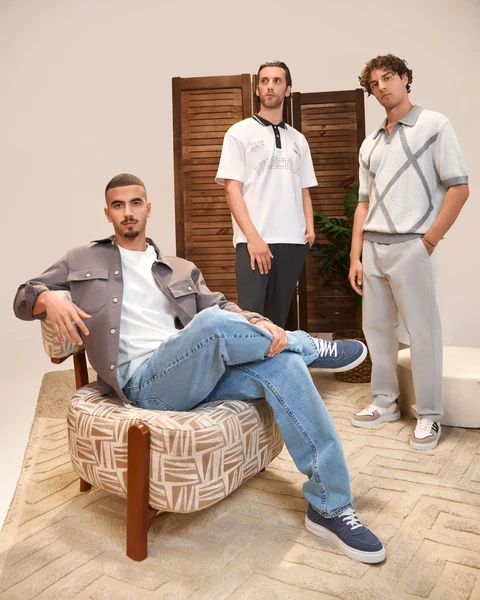
My recommendation is to separate trends into three groups:
- Core trends that can remain relevant for several seasons
- Seasonal updates that refresh existing products
- Experimental ideas that should be tested in limited quantities
Do not give all three groups the same production budget.
Trend, Seasonal Direction, or Short-Term Fad?
Before developing a new product, identify what type of trend you are seeing.
Structural Trend
A structural trend reflects a longer change in customer behavior.
Examples include:
- Demand for comfort
- Versatile clothing
- Better value
- Easier care
- Inclusive sizing
- Greater product transparency
These trends may influence several collections and product categories.
Seasonal Direction
A seasonal direction changes how established products look for a particular period.
Examples include:
- A new color family
- Updated trouser proportions
- A certain collar shape
- A specific wash effect
- A seasonal fabric texture
These ideas can refresh a core product without replacing it.
Viral Fad
A viral fad grows quickly because of social media, celebrity exposure, or a particular online aesthetic.
It may disappear before a full custom production cycle is complete.
| Trend Type | Product Investment |
|---|---|
| Structural | Suitable for core product development |
| Seasonal | Suitable for controlled collection updates |
| Viral | Test with low quantities or adaptable decoration |
The shorter the expected trend life, the less irreversible your product development should be.
For a viral graphic direction, printing on a proven product may be safer than developing a completely new fabric, pattern, and trim system.
The 2026 State of Fashion Report highlights value-conscious purchasing and the need for brands to adapt quickly. That makes disciplined trend selection more important than producing a large number of fashionable styles.
Elevated Everyday Basics
Basic clothing is not disappearing. It is becoming more considered.
Customers may already own several T-shirts, hoodies, shirts, or joggers. A new product therefore needs to offer a noticeable improvement.
What Makes a Basic Feel Elevated?
- Better fabric hand feel
- More intentional garment weight
- Improved neckline construction
- Cleaner internal finishing
- A recognizable fit
- Controlled shrinkage
- Subtle branding
- Better color depth
- Reliable sizing
Suitable Products
- T-shirts
- Hoodies
- Sweatshirts
- Joggers
- Tank tops
- Casual shirts
- Long-sleeve tops
Example Product Direction
Instead of offering another generic black T-shirt, a brand could develop:
- A slightly boxy pattern
- A stable heavyweight jersey
- A reinforced neckline
- A washed black finish
- Small tonal embroidery
- Consistent shoulder and body proportions
The result is still an everyday T-shirt, but the customer can understand why it is different.
Brands developing fit, fabric, printing, labels, and packaging can review Custom T-Shirt Manufacturing.
For elevated basics, improvement must be visible through wear—not only through marketing language.
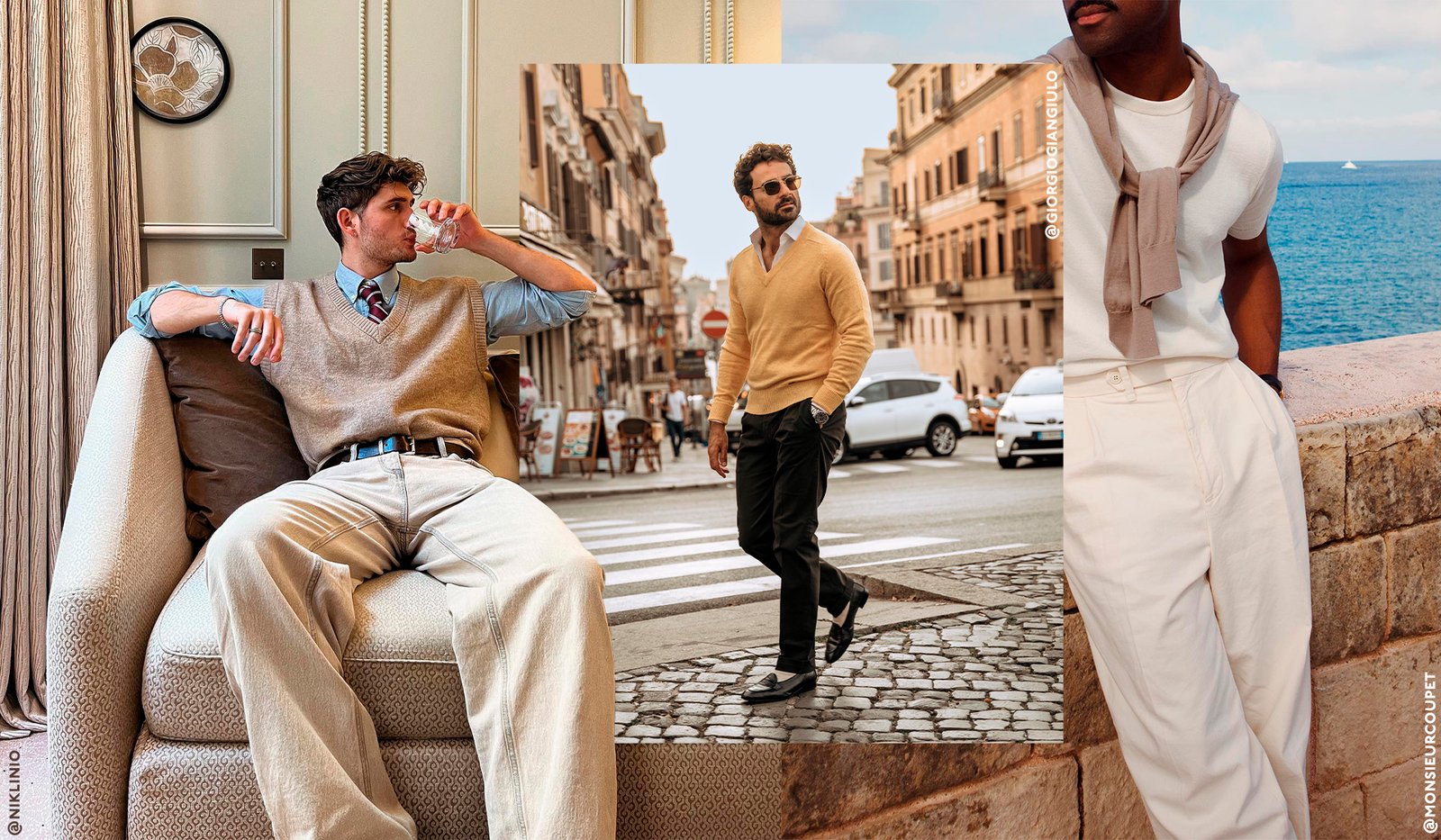
Relaxed Tailoring and Smart Casual
Casual and professional wardrobes are continuing to overlap.
Customers want clothing that appears polished but does not feel stiff or formal.
This creates opportunities for:
- Relaxed blazers
- Wide-leg trousers
- Soft overshirts
- Unstructured jackets
- Drawstring tailored pants
- Comfortable button-up shirts
- Matching shirt-and-trouser sets
What Defines Relaxed Tailoring?
| Traditional Tailoring | Relaxed Tailoring |
|---|---|
| Rigid structure | Softer construction |
| Close fit | More ease and movement |
| Formal fabrics | Casual woven or stretch fabrics |
| Dry-clean focus | Easier care |
| Limited styling | Work-to-weekend versatility |
Current trend signals also include vintage blazers, oversized turtlenecks, sculpted shapes, and updated collars. The Pinterest Predicts 2026 Report provides examples of these changing silhouettes.
Best Choice for Brands
Choose relaxed tailoring when your customer needs clothing for:
- Hybrid work
- Travel
- Casual meetings
- Restaurants
- Events
- Everyday professional dressing
Avoid making the product too formal if your brand is positioned around comfort and everyday use.
Custom button-ups, overshirts, workwear-inspired shirts, and relaxed silhouettes can be developed through Custom Casual Shirt Manufacturing.
Utility and Adventure-Inspired Clothing
Utility design continues to influence everyday casualwear.
The strongest utility products combine useful details with clean styling. They should not look like costumes unless that is the brand’s intention.
Common Utility Features
- Patch pockets
- Cargo pockets
- Reinforced seams
- Adjustable hems
- Drawcord waists
- Zip storage
- Durable woven fabrics
- Khaki, sand, olive, brown, and charcoal tones
- Vests and lightweight field jackets
Pinterest’s 2026 “Khaki Coded” direction highlights Bermuda shorts, pocketed vests, utility shirts, pleated trousers, and field jackets as part of a wider adventure-inspired aesthetic.
Suitable Products
| Product | Useful Utility Update |
|---|---|
| Overshirt | Chest pockets and reinforced stitching |
| Casual pants | Functional pockets and adjustable waistband |
| Shorts | Cargo storage and durable fabric |
| Jacket | Funnel neck, concealed hood, or drawcord hem |
| Vest | Modular pocket layout |
| Shirt | Twill fabric and workwear details |
How to Keep Utility Wearable
Use only details that support the product.
A casual shirt may need two practical chest pockets. It may not need ten decorative pockets, heavy webbing, several buckles, and an oversized zipper.
Functional details increase value only when customers understand how to use them.
Coordinated Sets and Modular Wardrobes
Coordinated sets make casual dressing easier.
They also give brands a practical way to increase the number of products purchased together.
Popular combinations include:
- Shirt and shorts
- Hoodie and joggers
- Sweatshirt and wide-leg pants
- Overshirt and matching trousers
- Tank top and relaxed pants
- Jacket and skirt
- Knit top and knit bottom
Why Sets Work
Customers receive:
- A complete outfit
- Easier styling
- Consistent color
- Mix-and-match options
- Better perceived value
Brands receive:
- Cross-selling opportunities
- Shared fabric development
- Coordinated photography
- Clearer collection stories
- More efficient production planning
Best Development Method
Use the same fabric or color family across several pieces.
For example:
| Core Material | Possible Products |
|---|---|
| Cotton French terry | Hoodie, sweatshirt, joggers, shorts |
| Cotton twill | Overshirt, pants, shorts |
| Linen blend | Shirt, shorts, relaxed trousers |
| Rib knit | Tank, cardigan, skirt, lounge pants |
The pieces should also work separately. A set that only looks correct when worn together may have a shorter selling life.
Texture and Visible Craft
After several seasons of simple minimal products, texture and visible detail can help everyday clothing feel more distinctive.
This does not require covering the entire garment with decoration.
Useful Texture Directions
- Washed surfaces
- Slub yarns
- Brushed finishes
- Rib structures
- Waffle knits
- Piqué
- Corduroy
- Linen texture
- Quilting
- Lace or crochet accents
Crafted Decoration
Brands can also use:
- Embroidery
- Contrast stitching
- Patches
- Appliqué
- Woven labels
- Decorative buttons
- Small metal details
- Hand-drawn graphics
Pinterest’s 2026 trend report includes lace accents, vintage-inspired styling, brooches, asymmetry, and other personal details. The commercial lesson is not that every brand should use lace or decorative pins.
The larger direction is:
Customers are becoming more open to products that feel personal, collected, or visibly made rather than perfectly generic.
Brands can adapt this trend through fabric and decoration that fit their existing identity.
Review different logo and surface options through Custom Printing Services.
Comfort and Performance Crossover
Customers increasingly move between work, travel, social activities, and light exercise without changing their entire outfit.
This supports casual products with selected performance features.
Useful Performance Features
- Stretch
- Quick drying
- Wrinkle resistance
- Lightweight construction
- Breathability
- Easy care
- Secure pockets
- Adjustable components
- Water resistance where genuinely tested
Suitable Products
- Travel pants
- Lightweight overshirts
- Stretch casual trousers
- Commuter jackets
- Technical polos
- Easy-care shirts
- Hybrid shorts
- Packable outerwear
Avoid Overclaiming
A polyester fabric is not automatically moisture-wicking.
A nylon jacket is not automatically waterproof.
A fabric with elastane is not automatically suitable for sports.
Performance claims should be based on:
- Fabric construction
- Finishing
- Garment design
- Laboratory testing where necessary
- Real use conditions
The opportunity is to add practical benefits without making everyday clothing look like gym equipment.
Seasonless Layers
Brands are placing greater value on products that can be sold and worn across longer periods.
Seasonless does not mean one garment is suitable for every climate. It means the product can be layered, styled, or used in several months of the year.
Strong Layering Products
- Overshirts
- Lightweight jackets
- Cardigans
- Zip sweatshirts
- Long-sleeve T-shirts
- Shirt jackets
- Vests
- Unlined chore coats
Design Features That Improve Versatility
- Medium fabric weight
- Neutral or easy-to-match colors
- Room for underlayers
- Adjustable cuffs
- Two-way zippers
- Removable or concealed hoods
- Clean branding
- Simple silhouettes
Seasonal Layering Table
| Period | Styling Use |
|---|---|
| Cool spring | Outer layer over a T-shirt |
| Summer evening | Lightweight protective layer |
| Early autumn | Main casual jacket |
| Winter | Mid-layer under heavier outerwear |
Seasonless products can reduce dependence on a very narrow selling window, but fabric weight still needs to match the brand’s main market.
Relaxed Bottoms and Updated Proportions
The casualwear market continues to move beyond extremely narrow trousers.
Brands are using more:
- Straight-leg pants
- Wide-leg trousers
- Relaxed jeans
- Pleated casual pants
- Bermuda shorts
- Loose joggers
- Adjustable-waist pants
- Cropped or ankle-length silhouettes
Why Relaxed Bottoms Matter
They offer:
- Easier movement
- Greater comfort
- More styling flexibility
- Space for layering
- A more modern silhouette
Fit Still Requires Control
Relaxed does not mean oversized in every measurement.
A successful relaxed pant still needs correct:
- Waist
- Rise
- Hip shape
- Thigh balance
- Knee position
- Leg opening
- Inseam
- Fabric drape
Too much volume in the wrong area can make the product appear poorly graded rather than intentionally relaxed.
Brand Recommendation
Start by modifying one proven silhouette.
For example:
- Change a slim trouser to a straight leg.
- Add one pleat to a standard casual pant.
- Increase the thigh and leg opening while keeping the waist stable.
- Test Bermuda-length shorts before developing several new lengths.
Durability and Resale-Ready Design
Customers who are careful about spending may expect clothing to provide more use, not simply a lower price.
At the same time, resale continues to become more relevant to the fashion industry. The 2026 Fashion Industry Outlook identifies resale growth as one of the year’s important themes.
Casualwear brands can respond by designing products that age better.
Durability Features
- Stable necklines
- Reinforced stress points
- Reliable zippers
- Strong pocket construction
- Controlled shrinkage
- Colorfast fabrics
- Replaceable buttons
- Clear care instructions
- Timeless color options
Resale-Ready Product Information
A product is easier to understand and resell when it has:
- Clear fiber content
- Accurate sizing
- Durable brand labels
- Traceable style names
- Useful care information
- Consistent product photography
What Brands Should Avoid
Do not use “sustainable,” “responsible,” or “long-lasting” as general marketing statements without supporting evidence.
Focus on specific information such as:
- Material composition
- Testing completed
- Construction details
- Certified content
- Repairable features
- Care recommendations
For U.S. products, the FTC Clothing and Textiles Guidance provides information about fiber content, origin, business identification, and care labeling.
Smaller and Smarter Product Drops
A trend-aware brand does not need to produce a large collection every time.
Smaller drops allow brands to:
- Test demand
- Collect customer feedback
- Identify successful colors
- Review size sales
- Reduce slow inventory
- Improve repeat orders
A Smarter Drop Structure
Core Product
A proven product that represents the brand.
Examples:
- Signature T-shirt
- Main hoodie
- Best-selling casual pant
Refresh Product
An existing product updated through:
- New color
- Different fabric
- Seasonal wash
- Revised detail
- Coordinated matching piece
Test Product
A more experimental idea produced in a controlled quantity.
Examples:
- New silhouette
- Bold texture
- Unusual decoration
- Trend-specific item
What to Measure
After launch, review:
- Sales by style
- Sales by size
- Sales by color
- Return reasons
- Customer comments
- Full-price sell-through
- Set-purchase behavior
- Reorder requests
The SBA Market Research Guide provides a useful framework for understanding customers and competitors before making product decisions.
Best Trends by Product Category
| Product Category | Strong Trend Directions |
|---|---|
| T-Shirts | Elevated fabric, boxy fit, washed finish, subtle branding |
| Hoodies | Coordinated sets, cleaner construction, improved fit |
| Sweatshirts | Texture, relaxed proportions, premium fleece |
| Casual Shirts | Overshirts, relaxed tailoring, utility pockets |
| Pants | Wide or straight legs, pleats, stretch woven fabrics |
| Shorts | Bermuda lengths, coordinated sets, utility details |
| Jackets | Lightweight layering, funnel necks, utility functions |
| Loungewear | Softer fabrics, modular sets, refined silhouettes |
| Pajamas | Day-to-home styling, breathable materials, sets |
| Knitwear | Texture, oversized collars, adaptable layers |
Brands can compare suitable product categories through the Custom Clothing Products Catalog.
Use the Seven-Point Trend Filter
Before developing a trend-based product, score it in seven areas.
| Area | Key Question | Score |
|---|---|---|
| Customer Relevance | Does our customer actually want this? | /10 |
| Brand Fit | Does it look natural within our identity? | /10 |
| Wearability | Can customers use it regularly? | /10 |
| Product Difference | Does it add a clear reason to buy? | /10 |
| Manufacturing Feasibility | Can it be produced consistently? | /10 |
| Commercial Potential | Can it reach our target price and margin? | /10 |
| Repeatability | Could it continue beyond one small launch? | /10 |
| Total | /70 |
How to Read the Result
| Score | Recommended Action |
|---|---|
| 58–70 | Strong development candidate |
| 45–57 | Develop after resolving key risks |
| 30–44 | Test in a small or simplified format |
| Below 30 | Do not commit to bulk production yet |
A trend with a strong visual score but weak customer relevance is still a risky product.
A less dramatic product with strong wearability and repeatability may be the better commercial decision.
Build a Balanced Casualwear Collection
A collection should not contain only trend products.
I recommend dividing products by role.
Core Products
These create consistency and repeat sales.
Examples:
- Essential T-shirt
- Main hoodie
- Casual pant
- Everyday shirt
Updated Products
These keep the collection current.
Examples:
- New fabric weight
- Relaxed fit
- Seasonal color
- Utility pocket
- Coordinated bottom
Statement Products
These provide visual identity and marketing content.
Examples:
- Textured overshirt
- Large embroidery
- Unusual washed jacket
- Limited graphic product
Collection Planning Table
| Product Role | Main Goal | Inventory Approach |
|---|---|---|
| Core | Repeat demand | Higher confidence |
| Update | Seasonal freshness | Controlled quantity |
| Statement | Attention and identity | Limited test |
| Add-On | Increase order value | Coordinate with core products |
Use trend products to attract attention and core products to build dependable sales.
Manufacturing Considerations
Trends can affect production cost, MOQ, sampling, and quality risk.
Relaxed Silhouettes
May require:
- More fabric consumption
- New pattern development
- Revised size grading
- Fit testing on several body types
Utility Details
May require:
- Additional sewing time
- More trims
- Pocket reinforcement
- Function testing
Textured Fabrics
May create:
- Fabric minimums
- Shade variation
- Cutting challenges
- Pilling or shrinkage risks
Performance Features
May require:
- Technical fabric sourcing
- Test reports
- Specific seam construction
- More careful product claims
Custom Colors
May increase:
- Dyeing MOQ
- Lab-dip rounds
- Lead time
- Color-matching work
Better Production Process
Before bulk production:
- Confirm the target customer.
- Finalize the trend direction.
- Select an achievable fabric.
- Make a physical sample.
- Test fit and washing.
- Approve trims and decoration.
- Confirm bulk tolerances.
- Inspect production.
Brands needing help with pattern making, sampling, fabric selection, and bulk manufacturing can review OEM and ODM Manufacturing Services.
Special weights, textures, compositions, and finishes can be developed through Custom Fabric Development.
Bulk products should be compared with the final approved sample through structured Quality Control Services.
Common Trend Planning Mistakes
Copying a Trend Without Adapting It
A trend should be translated into your brand’s product language.
Do not copy a viral garment exactly because it appears popular online.
Following Too Many Trends
Several unrelated aesthetics can make a collection look unfocused.
Choose one or two clear directions and apply them consistently.
Ignoring the Customer
A trend may receive high engagement but still be unsuitable for your customer’s age, climate, lifestyle, or price expectations.
Developing Too Late
Custom fabric, patterns, trims, and sampling take time.
A short-lived trend may end before the products arrive.
Making Every Product a Statement
Customers still need wearable products.
Use statement details selectively.
Ordering Too Much
A popular online aesthetic does not guarantee demand for your specific product.
Start with a controlled test when sales data is limited.
Ignoring Fit
A fashionable silhouette can still fail when the waist, rise, shoulder, length, or grading is incorrect.
Choosing Style Over Fabric Performance
The fabric must support the intended shape and use.
A relaxed trouser needs suitable drape. A utility jacket needs enough stability. A soft basic needs controlled shrinkage.
Using Unsupported Claims
Do not claim that products are waterproof, organic, recycled, antibacterial, or environmentally responsible without suitable evidence.
FAQ
What casual wear trends are important in 2026?
Important directions include elevated basics, relaxed tailoring, utility-inspired details, coordinated sets, textured materials, performance crossover, seasonless layers, and relaxed trousers.
Are oversized clothes still relevant?
Relaxed silhouettes remain useful, but brands are becoming more intentional about proportions. The garment should have controlled shoulders, lengths, widths, and size grading rather than simply being made larger.
What is an elevated basic?
An elevated basic is a familiar everyday product improved through better fabric, fit, construction, finishing, or subtle brand details.
Is utility clothing still popular?
Utility styling remains relevant because it combines visual identity with practical details. The strongest products use functional pockets, durable materials, and adjustable features without unnecessary complexity.
Should a startup follow trends?
Yes, but selectively. Startups should use trends to update a focused collection rather than producing many untested styles.
How many trends should one collection use?
One main direction and one supporting direction are often enough. Too many unrelated trends can weaken brand identity and increase production complexity.
How can brands test a trend with less risk?
Use existing patterns, stock fabrics, limited colors, adaptable printing, small production runs, preorders, or customer surveys before investing in full custom development.
Are matching sets still useful?
Yes. Coordinated sets simplify styling, create cross-selling opportunities, and allow brands to use the same fabric across several products.
Which colors work best for casualwear?
Core neutrals such as black, navy, grey, cream, olive, khaki, and brown are versatile. Seasonal accents can be added according to the target customer and collection direction.
Should every trend become a new product?
No. A trend can be applied through color, fabric, fit, decoration, styling, photography, or packaging without creating a completely new garment.
How do I know whether a trend fits my brand?
Evaluate customer relevance, brand identity, wearability, manufacturing feasibility, target price, and repeat-order potential.
Can Bless Clothing help develop trend-based casualwear?
Bless Clothing supports brands with trend-to-product development, fabric sourcing, patterns, samples, private labels, bulk manufacturing, printing, packaging, and quality control.
Conclusion
The strongest casual wear trends focus on products that are easier to wear, more versatile, and more valuable to the customer.
Key directions include:
- Elevated everyday basics
- Relaxed tailoring
- Utility-inspired design
- Coordinated sets
- Texture and visible craft
- Performance crossover
- Adaptable layering
- Relaxed bottoms
- Better durability
- Smarter product testing
From my experience, brands should not ask only:
“What is trending?”
A better question is:
“Which trend can we turn into a product our customer will wear, understand, and buy again?”
Use long-term trends to improve core products, seasonal directions to refresh collections, and viral ideas for limited testing.
Bless Clothing helps casualwear brands turn product directions into practical fabrics, patterns, samples, branding details, bulk production, and consistent quality.