
Casual clothing usually costs around $4 to $45 or more per piece to manufacture.
Basic T-shirts using available fabrics may cost less than $10 per piece, while custom hoodies, pants, matching sets, and jackets usually cost more.
In this guide, “clothing cost” means the factory production cost, not the final retail price.
From my experience reviewing clothing quotations, the product name alone is not enough to determine the price. Fabric, quantity, construction, branding, packaging, and quality requirements can all change the final cost.
The most accurate clothing price is based on a complete specification—not a reference photo or product name.
Table of Contents
- Quick Answer
- Typical Cost by Product
- What Does the Factory Price Include
- What Changes the Price
- Factory Cost vs Landed Cost
- How to Get an Accurate Quotation
- How to Reduce Costs Safely
- Best Cost Strategy by Brand Stage
- FAQ
- Conclusion
Quick Answer
The following ranges can be used for early budget planning.
| Casualwear Product | Illustrative Factory Cost |
|---|---|
| Basic T-shirt | $4–$10 |
| Polo or casual shirt | $7–$18 |
| Sweatshirt or hoodie | $10–$25 |
| Shorts or casual pants | $9–$30 |
| Loungewear set | $12–$30 |
| Lightweight jacket | $18–$45+ |
These are general manufacturing ranges for bulk orders, not guaranteed quotations.
Your actual price depends on:
- Fabric
- Order quantity
- Product construction
- Printing or embroidery
- Labels and trims
- Packaging
- Quality control
- Shipping terms
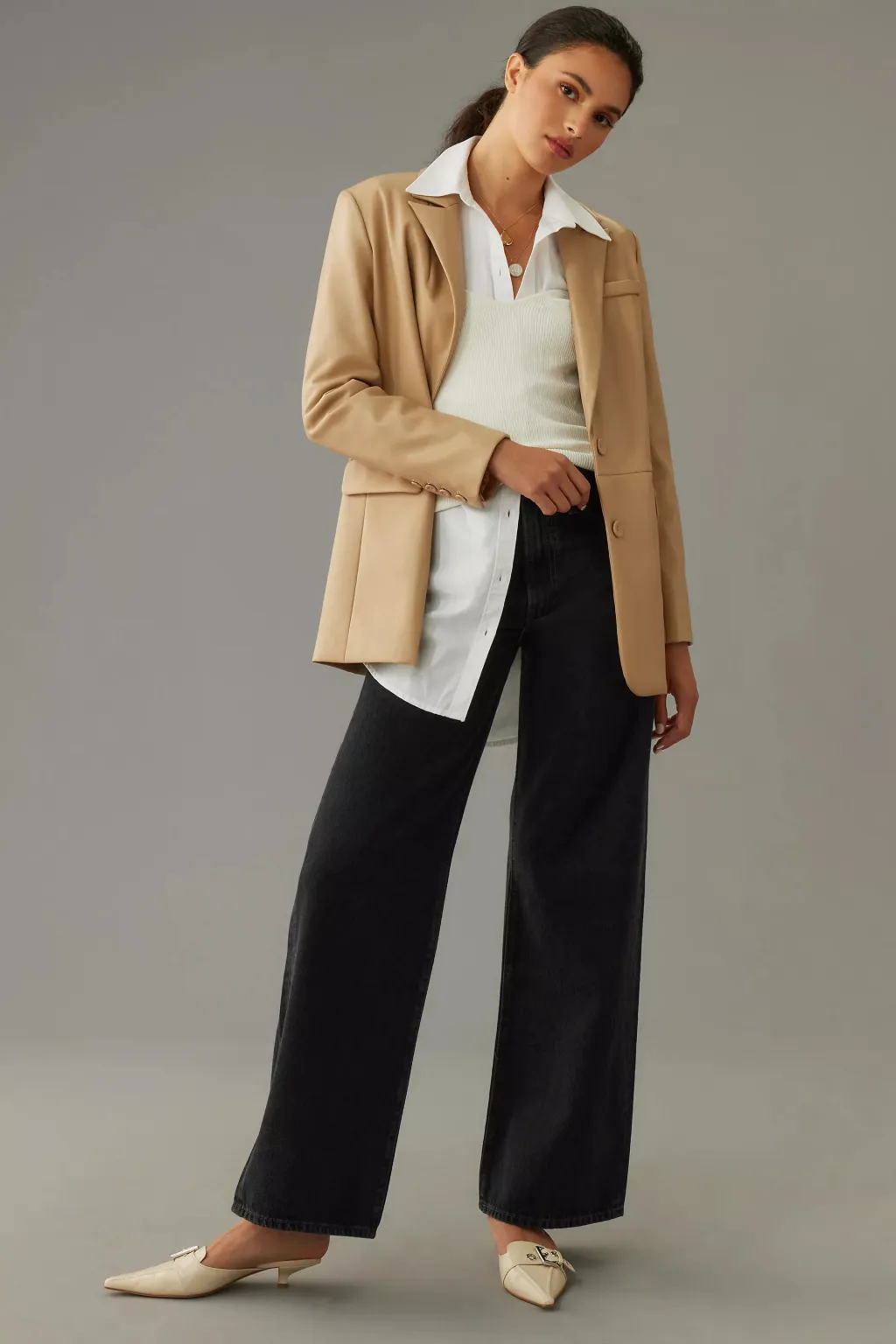
Brands can explore different product categories through the Custom Clothing Products Catalog.
Typical Cost by Product
T-Shirts
Basic T-shirts are normally among the least expensive casualwear products to manufacture.
The price increases when you add:
- Heavyweight fabric
- Oversized measurements
- Garment washing
- Large printing
- Embroidery
- Custom neck labels
- Premium packaging
Hoodies and Sweatshirts
Hoodies cost more because they require additional fabric and sewing work.
Full zippers, double-layer hoods, heavy fleece, embroidery, and custom rib can increase the price further.
Casual Pants and Shorts
The cost depends heavily on:
- Waistband construction
- Number of pockets
- Zippers or buttons
- Fabric consumption
- Wash treatment
- Leg shape
A basic elastic-waist short normally costs less than multi-pocket cargo pants.
Jackets
Jackets are usually more expensive because they may include:
- Lining
- Zippers
- Hardware
- Several fabric panels
- Pockets
- Reinforcement
- More sewing operations
Product complexity affects cost because every additional detail requires materials, labor, setup, or inspection.
What Does the Factory Price Include?
A standard factory quotation may include:
- Main fabric
- Basic trims
- Cutting
- Sewing
- Standard finishing
- Basic quality inspection
- Standard protective packaging
However, the following may be charged separately:
- Pattern development
- Physical samples
- Sample revisions
- Custom fabric
- Custom-dyed colors
- Branded zippers or buttons
- Printing and embroidery
- Laboratory testing
- Premium packaging
- Independent inspection
- International shipping
Always ask:
“What is included and excluded from this unit price?”
Brands requiring full product development can review OEM and ODM Manufacturing Services.
What Changes the Price?
1. Fabric
Fabric is often one of the largest cost areas.
Pricing can change according to:
- Composition
- GSM
- Construction
- Width
- Finish
- Color
- Certification
- Order quantity
A heavy cotton fabric normally costs more per garment because it uses more material.
Special compositions, weights, textures, and finishes can be developed through Custom Fabric Development.
2. Order Quantity
Small orders usually have higher unit prices because setup costs are divided across fewer garments.
These costs may include:
- Pattern preparation
- Cutting setup
- Printing screens
- Embroidery programming
- Production-line adjustment
However, a lower unit price is not useful when the additional inventory cannot be sold.
3. Construction
Simple garments require less sewing time.
| Lower-Cost Detail | Higher-Cost Detail |
|---|---|
| Pullover hoodie | Full-zip hoodie |
| Two basic pockets | Several cargo pockets |
| Unlined jacket | Fully lined jacket |
| Standard hem | Binding or bonded finish |
| Basic body panels | Complex panel construction |
4. Branding
Branding costs depend on the technique.
Printing price may depend on:
- Print size
- Number of colors
- Number of positions
- Ink type
Embroidery price may depend on:
- Stitch count
- Density
- Size
- Number of colors
5. Trims and Packaging
Custom labels, zippers, buttons, hang tags, boxes, bags, and inserts increase both cost and MOQ.
For early market testing, simple packaging is usually more practical.
Established brands may use Private Packaging Solutions to build a more complete brand experience.
Factory Cost vs Landed Cost
The factory price is not the final amount required to receive the products.
Use this formula:
Landed Cost = Factory Price + Packaging + Freight + Duties + Customs Fees + Local Delivery
For example, a garment with a low factory price may become expensive when it requires:
- Airfreight
- Large cartons
- High import duties
- Special customs documents
- Local warehouse delivery
Also confirm whether the quotation is:
- EXW
- FOB
- CIF
- DDP
These terms divide shipping responsibilities differently.
Review the International Trade Administration Incoterms Guide before comparing international quotations.
Brands can also plan freight through Clothing Shipping Solutions.
How to Get an Accurate Quotation
Provide the manufacturer with:
- Product type
- Quantity per style
- Quantity per color
- Size range
- Fabric composition and GSM
- Garment measurements
- Printing or embroidery details
- Labels, trims, and packaging
- Delivery country
- Required delivery date
Weak Request
“How much is an oversized hoodie?”
Better Request
“Please quote 300 relaxed-fit hoodies in two colors, using 380 GSM cotton-blend fleece, with chest embroidery, woven labels, and individual packaging.”
The second request gives the manufacturer enough information to calculate fabric consumption, decoration, production work, and packaging.
How to Reduce Costs Safely
The best way to reduce cost is to remove unnecessary complexity.
Lower-Risk Cost Reductions
- Use proven stock fabrics.
- Reduce the number of colors.
- Share one fabric across several styles.
- Use standard zippers and buttons.
- Simplify pockets and panels.
- Use one main decoration technique.
- Choose practical packaging.
- Plan production and shipping early.
Areas You Should Protect
Do not reduce:
- Fabric stability
- Seam strength
- Accurate measurements
- Required reinforcement
- Sample approval
- Label compliance
- Quality inspection
Structured Quality Control Services can help identify fabric, measurement, construction, and packing problems before shipment.
Reduce complexity before reducing product quality.
Best Cost Strategy by Brand Stage
| Brand Situation | Recommended Cost Strategy |
|---|---|
| First market test | Stock fabric, fewer colors, simple packaging |
| New private label brand | Existing product base with custom labels |
| Premium basics brand | Invest in fabric, fit, and quality control |
| Proven bestseller | Increase quantity for better efficiency |
| Signature custom product | Invest in pattern and material development |
| Fixed launch deadline | Use available materials and plan freight early |
For a new brand, I normally recommend spending more on:
- Physical samples
- Fabric quality
- Fit
- Product photography
- Final inspection
Spend less on unnecessary custom hardware, excessive colors, and complicated packaging until demand is proven.
The SBA Break-Even Analysis Guide can help brands connect production costs with pricing and required sales volume.
FAQ
How much does a casual T-shirt cost to manufacture?
A basic bulk-production T-shirt may cost approximately $4 to $10 per piece. Heavy fabric, washing, embroidery, labels, and smaller quantities can increase the price.
How much does a hoodie cost to manufacture?
A custom hoodie may cost approximately $10 to $25 or more, depending on fabric weight, construction, quantity, decoration, and trims.
Why are small clothing orders more expensive?
Fixed setup costs are divided across fewer pieces. Small fabric, printing, cutting, and sewing batches are also less efficient.
Does heavier fabric always cost more?
It often increases material consumption, but fiber type, width, construction, finishing, and supplier pricing also matter.
Are samples included in the bulk price?
Not always. Sample development, revisions, and courier costs may be charged separately. Some manufacturers may credit part of the sample fee after a bulk order.
Why do manufacturers provide different prices?
They may be quoting different fabrics, measurements, construction methods, trims, inspections, packaging, or shipping terms.
Is the factory price the final cost?
No. Your final landed cost may also include freight, duties, customs clearance, taxes, and local delivery.
How can I get a lower price without lowering quality?
Use fewer colors, proven fabrics, standard trims, simpler construction, shared materials, and practical packaging.
What should I approve before production?
Approve the sample, fabric, measurements, colors, construction, branding, labels, packaging, quantity, price, and production timeline.
For U.S. sales, review the FTC Clothing and Textiles Guidance before producing fiber, origin, identity, and care labels.
Conclusion
Casual clothing may cost approximately $4 to $45 or more per piece to manufacture, depending on the product and customization level.
The most important cost factors are:
- Fabric
- Quantity
- Construction
- Branding
- Trims
- Packaging
- Quality control
- Shipping
From my experience, the safest way to control your budget is to request a detailed quotation based on a complete product specification.
Do not choose a manufacturer from unit price alone. Compare what the price includes, the quality being offered, and the total cost of receiving sellable products.
Bless Clothing supports casualwear brands with product development, fabric sourcing, sampling, private labeling, bulk manufacturing, quality control, packaging, and international delivery.