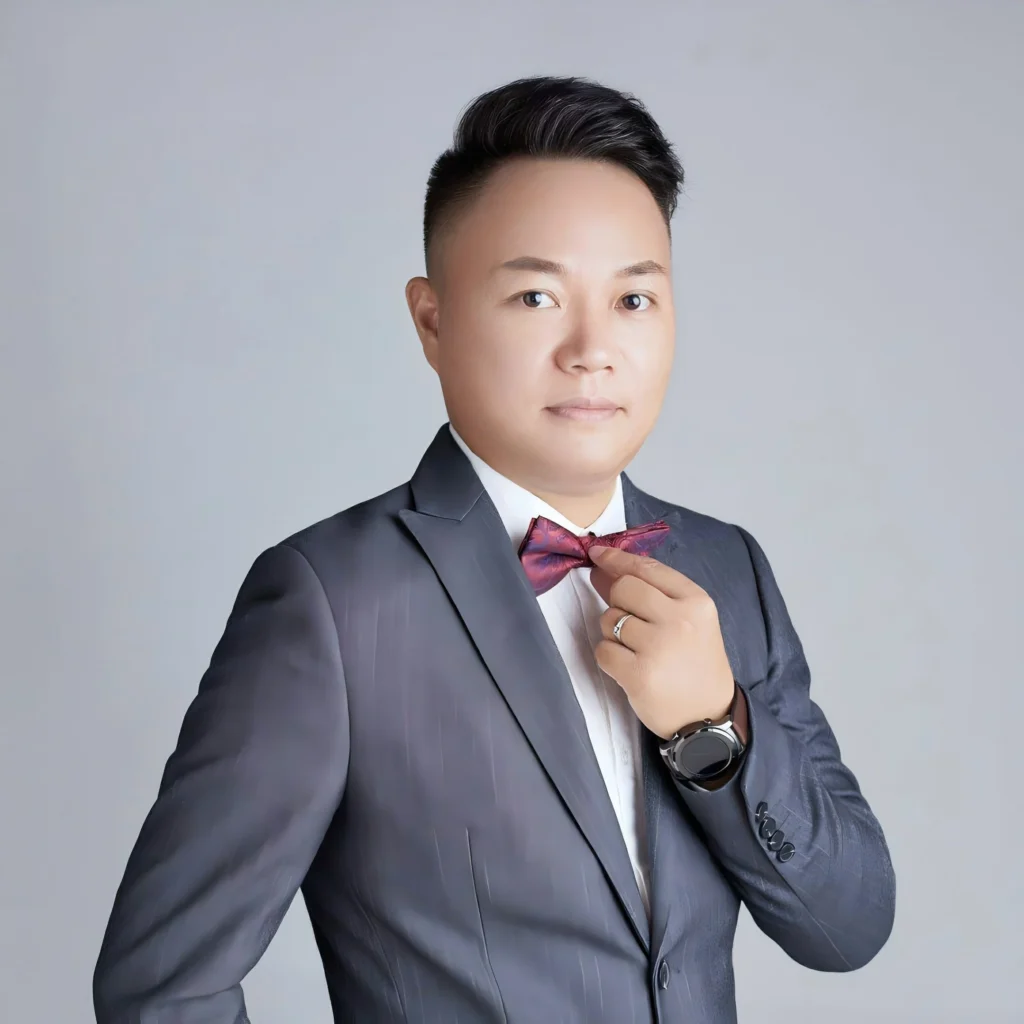
In 2026, athleisure isn’t just popular — it’s redefining what “casual” even means.
As someone working directly with casualwear manufacturers and international apparel buyers, I’ve seen a major shift: brands are no longer separating “activewear” and “daily wear.” Instead, they’re building hybrid collections designed for movement, comfort, and social flexibility.
Consumers aren’t asking:
“Is this sporty or casual?”
They’re asking:
“Can I wear this everywhere?”
This article explains exactly why athleisure dominates casual fashion in 2026, who benefits most, and how brands and buyers should approach it strategically.
Table of Contents
- Quick Summary: Why Athleisure Wins
- What Athleisure Really Means in 2026
- 5 Reasons Athleisure Is Dominating Casual Fashion
- Athleisure vs Traditional Casualwear: Clear Comparison
- Who Should Choose Athleisure? (Practical Guide)
- 2026 Fabric & Design Trends Driving Growth
- What Brands Must Do to Stay Competitive
- FAQ
- Conclusion
Quick Summary: Why Athleisure Wins
Athleisure dominates in 2026 because it delivers:
- All-day comfort
- Multi-occasion flexibility
- Clean, minimal aesthetics
- Stretch performance without looking “gym-only”
- Lifestyle alignment with hybrid work culture
In short:
It fits modern life better than traditional casualwear.
What Athleisure Really Means in 2026
Athleisure in 2026 is not just leggings and oversized hoodies.
It includes:
- Structured joggers that pair with loafers
- Premium stretch trousers that replace denim
- Tailored sweatshirts with elevated finishing
- Travel-friendly matching sets
- Technical polos and hybrid tops
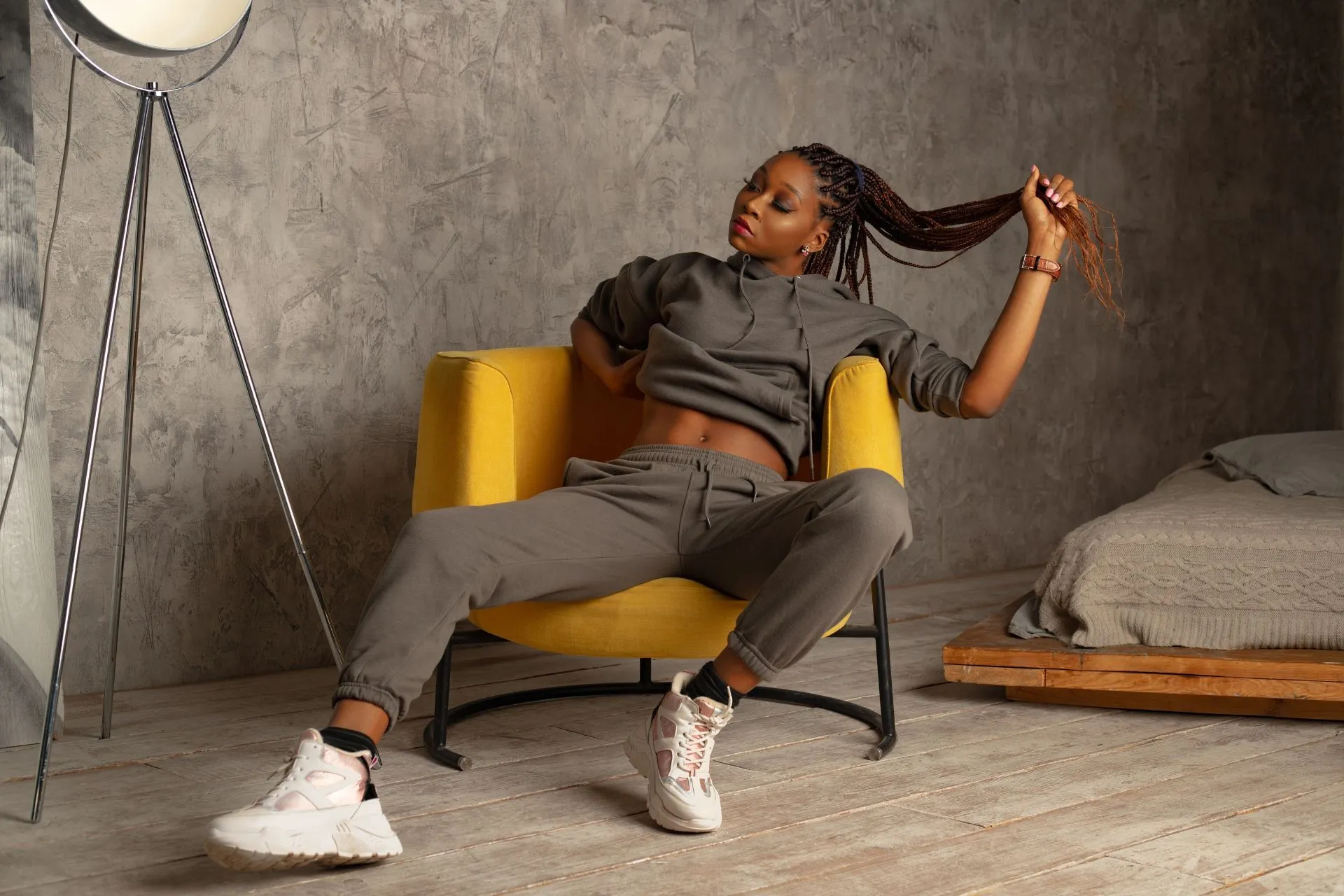
Brands like Lululemon and Nike helped popularize the category — but now even traditional casualwear brands are adopting performance fabrics.
From a manufacturing perspective, I’ve noticed:
- Buyers request 4-way stretch as a default
- GSM weights are increasing for structure
- Silhouettes are becoming more refined
- Fabric recovery performance is now a key selling point
Athleisure is no longer “gym clothing.”
It’s engineered casualwear.
5 Reasons Athleisure Is Dominating Casual Fashion
1️⃣ Hybrid Work Culture Changed Dress Codes
Remote work and flexible offices reduced demand for rigid formalwear.
Consumers want:
- Comfort like sportswear
- Appearance clean enough for meetings
Athleisure solves both.
2️⃣ Comfort Is Now a Non-Negotiable Standard
Post-2020 lifestyle shifts permanently raised comfort expectations.
Buyers now ask for:
- Soft-touch fabrics
- Elastic waist integration
- Breathable knits
- Moisture management
Traditional cotton twill trousers struggle to compete.
3️⃣ Fabric Innovation Closed the Style Gap
In 2018, performance fabrics looked obviously sporty.
In 2026:
- Matte finishes
- Cotton-feel polyester blends
- Structured double knits
- Premium brushed surfaces
Performance and aesthetics are fully integrated.
4️⃣ Travel & Mobility Culture
Modern consumers commute, travel, and move more frequently.
Athleisure offers:
- Wrinkle resistance
- Stretch recovery
- Lightweight layering
- Packable construction
Traditional casualwear lacks this versatility.
5️⃣ Social Media & Minimalism Trends
Clean silhouettes dominate TikTok and Instagram aesthetics.
Athleisure supports:
- Neutral palettes
- Matching sets
- Simplified layering
- Gender-neutral styling
The result: visual cohesion + comfort.
Athleisure vs Traditional Casualwear: Clear Comparison
| Feature | Athleisure (2026) | Traditional Casualwear |
|---|---|---|
| Stretch | 4-way standard | Limited or none |
| Comfort | High | Medium |
| Wrinkle resistance | Strong | Weak |
| Fabric innovation | Performance blends | Mostly woven cotton |
| Occasion flexibility | Work + Travel + Errands | Mainly social |
| Fit evolution | Athletic tailoring | Relaxed or classic |
From my factory experience, reorder rates are significantly higher for stretch-based casual programs than for rigid woven lines.
That alone explains the shift.
Who Should Choose Athleisure? (Practical Guide)
Choose Athleisure If You:
- Work hybrid schedules
- Travel frequently
- Value mobility
- Prefer minimal styling
- Want “one outfit” versatility
Choose Traditional Casualwear If You:
- Prefer structured woven garments
- Work in formal business environments
- Want heritage-inspired styling
2026 Fabric & Design Trends Driving Growth
Here’s what I see dominating sourcing conversations:
✔ Double-Knit Performance Fabrics
Smooth outside, soft inside, stable structure.
✔ Nylon-Spandex Blends
Durable, stretchable, modern drape.
✔ Elevated Matching Sets
Top + bottom coordination for travel and daily wear.
✔ Elastic Integration (Hidden Comfort)
Internal waistband stretch with external clean appearance.
Brands that integrate these elements outperform purely aesthetic casual brands.
What Brands Must Do to Stay Competitive
If you're building a casualwear label in 2026, here’s my advice:
1️⃣ Stop Separating “Active” and “Casual”
Consumers don’t see categories anymore.
2️⃣ Invest in Fabric Development
Fabric determines perceived value more than branding.
3️⃣ Focus on Versatility Messaging
Sell use-cases, not just design.
4️⃣ Upgrade Construction Standards
Stretch recovery, seam durability, and finishing now matter more than ever.
If you're developing private label or OEM collections, manufacturers like Bless Clothing can help integrate stretch fabrics and hybrid construction into modern casual programs.
FAQ
Is athleisure just a temporary trend?
No. It has evolved into a structural shift in consumer behavior. Comfort expectations have permanently changed.
Is denim disappearing because of athleisure?
Not entirely — but stretch denim and hybrid trousers are gaining more market share than rigid denim styles.
Is athleisure appropriate for work?
In many hybrid workplaces, yes. Structured joggers and premium knit trousers are widely accepted.
Is athleisure more expensive?
It depends on fabric quality. Performance yarns can increase cost, but perceived value and reorder rates are often higher.
Conclusion
Athleisure dominates casual fashion in 2026 because it reflects how people actually live:
- Flexible schedules
- Mobility-driven lifestyles
- Elevated comfort standards
- Minimalist aesthetics
From my experience in apparel production, the brands thriving today are those who merge performance engineering with clean casual styling.
Athleisure isn’t replacing casual fashion.
It is casual fashion now.
For brands looking to develop modern hybrid collections, explore manufacturing solutions at:
👉 Bless Clothing – Casualwear & Athleisure OEM