
Starting a casual clothing brand sounds exciting — until you realize how difficult it can be to find the right manufacturer.
Many new brands struggle with questions like:
- How do I find a reliable clothing manufacturer?
- What is a reasonable MOQ (minimum order quantity)?
- What services should a factory provide?
- How can I ensure product quality before mass production?
From my experience working with casualwear production and brand development, the biggest mistakes usually happen before production even begins. Choosing the right manufacturing partner can determine whether your brand launches successfully or runs into costly problems.
This guide explains everything you need to know about working with a custom casual clothing manufacturer, from sourcing and sampling to production and scaling.
Table of Contents
- Quick Answer
- What Is a Custom Casual Clothing Manufacturer?
- Why Brands Choose Custom Manufacturing
- Key Services a Manufacturer Should Offer
- Step-by-Step Manufacturing Process
- MOQ, Lead Time, and Cost Breakdown
- How to Choose the Right Manufacturer
- Common Mistakes New Brands Make
- Custom Manufacturing vs Ready-Made Suppliers
- FAQ
- Final Thoughts
Quick Answer
A custom casual clothing manufacturer produces clothing based on your brand’s designs rather than selling pre-made products.
Typical services include:
- custom fabric sourcing
- pattern development
- sampling and prototypes
- bulk production
- private labeling and packaging
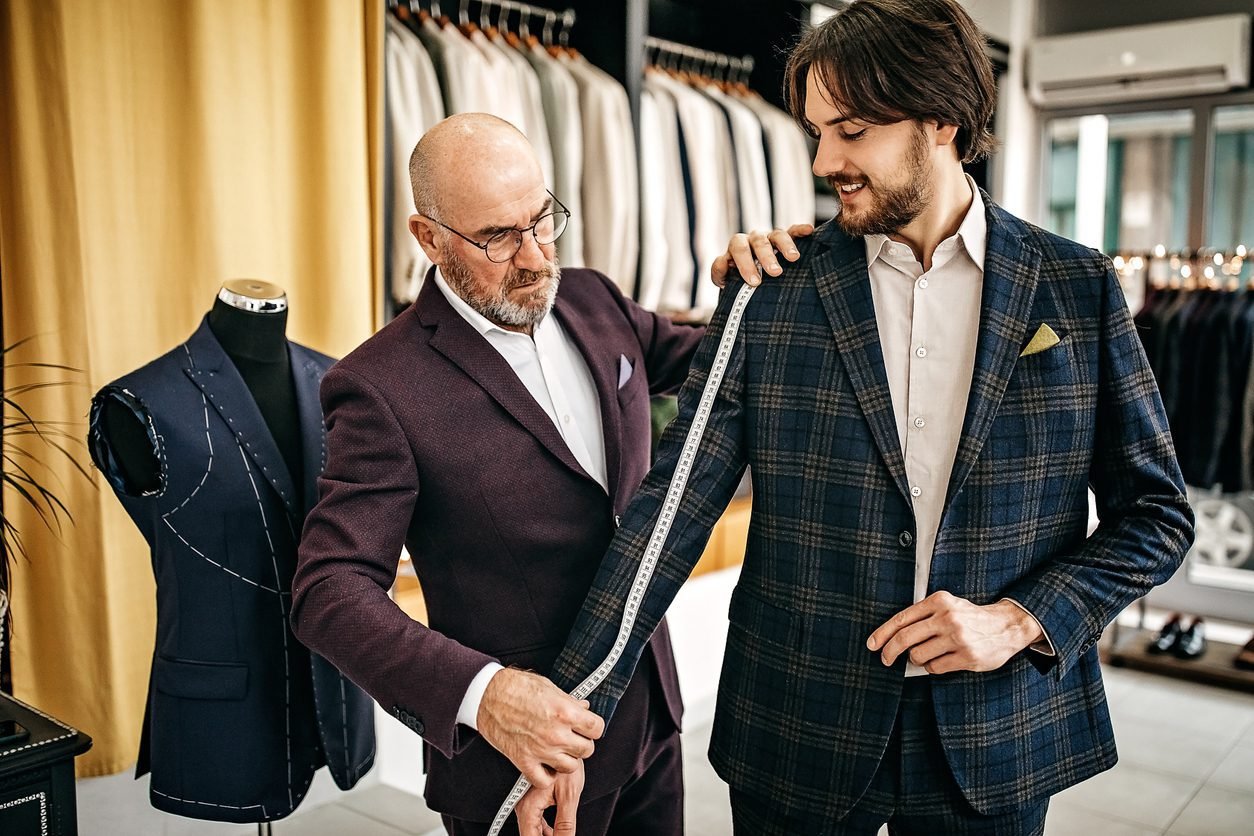
For example, manufacturers like Bless Clothing specialize in producing custom casualwear for brands, helping them transform design ideas into market-ready products.
What Is a Custom Casual Clothing Manufacturer?
A custom clothing manufacturer is a factory or production partner that produces garments specifically for a brand.
Instead of choosing pre-existing designs, brands provide their own:
- tech packs
- sketches or references
- material preferences
- branding elements
The manufacturer then develops samples and produces the clothing according to the brand’s specifications.
Typical casualwear items produced include:
- T-shirts
- hoodies
- sweatshirts
- joggers
- casual jackets
Custom manufacturing allows brands to control both design and product identity.
Why Brands Choose Custom Manufacturing
Many emerging clothing brands choose custom production instead of wholesale suppliers.
Brand Identity
Custom manufacturing allows brands to create unique products rather than selling items that many companies already offer.
Quality Control
Brands can select:
- specific fabrics
- stitching quality
- garment fit and construction
Long-Term Scalability
A good manufacturing partner can support the brand as production grows.
Custom manufacturing also allows brands to build recognizable collections rather than relying on generic clothing designs.

Key Services a Manufacturer Should Offer
A professional casualwear manufacturer should offer more than just sewing.
Product Development
Services often include:
- design consultation
- tech pack guidance
- pattern making
Sampling and Prototyping
Sampling allows brands to test:
- fit
- fabric
- print quality
- construction
Bulk Production
Once samples are approved, the factory begins mass production.
Branding and Packaging
Many manufacturers provide additional services such as:
- custom woven labels
- printed tags
- branded packaging
These services help brands deliver a consistent product identity.
Step-by-Step Manufacturing Process
Understanding the typical production workflow helps brands plan their launch timeline.
| Step | Description |
|---|---|
| Design Concept | Brand develops product idea |
| Tech Pack Creation | Detailed product specifications |
| Fabric Selection | Material sourcing and testing |
| Sample Development | Prototype garment created |
| Sample Approval | Adjustments made if necessary |
| Bulk Production | Large-scale manufacturing |
| Quality Control | Product inspection |
| Shipping | Delivery to brand or warehouse |
Each stage is essential to ensuring product quality.
MOQ, Lead Time, and Cost Breakdown
Manufacturing involves several important factors that affect pricing and production timelines.
| Factor | Typical Range |
|---|---|
| MOQ | 50–300 pieces per style |
| Sampling Time | 7–21 days |
| Bulk Production | 3–6 weeks |
| Fabric Development | varies by material |
These factors can vary depending on product complexity and factory capabilities.
How to Choose the Right Manufacturer
Finding the right production partner is one of the most important decisions a brand will make.
Key criteria to evaluate include:
Manufacturing Experience
Look for factories with experience in casualwear production.
Fabric Sourcing Capabilities
Reliable manufacturers should have access to multiple fabric suppliers.
Communication and Transparency
Clear communication is essential during sampling and production.
Flexible MOQ
New brands often need smaller production runs.
Manufacturers such as Bless Clothing support brands with flexible production options and development assistance for custom casualwear collections.
Common Mistakes New Brands Make
Launching a clothing brand involves many moving parts, and several mistakes appear frequently.
Choosing a Factory Based Only on Price
Low prices often mean compromised quality.
Skipping the Sampling Stage
Skipping samples increases the risk of production errors.
Poor Tech Pack Documentation
Incomplete specifications can lead to incorrect production results.
Underestimating Production Time
Manufacturing timelines often take longer than expected.
Planning ahead reduces these risks.
Custom Manufacturing vs Ready-Made Suppliers
| Feature | Custom Manufacturing | Wholesale Clothing |
|---|---|---|
| Design Control | Full | Limited |
| Brand Identity | Strong | Weak |
| Startup Cost | Higher | Lower |
| Product Uniqueness | High | Low |
| Long-Term Growth | Better | Limited |
For brands looking to build a recognizable identity, custom manufacturing usually offers better long-term advantages.
FAQ
What is the minimum order for custom clothing manufacturing?
Most manufacturers require 50–300 pieces per style depending on complexity and fabric sourcing.
How long does clothing production take?
Production typically takes 3–6 weeks after sample approval.
Can manufacturers help develop designs?
Yes. Many factories provide product development and tech pack support.
Is custom manufacturing suitable for small brands?
Yes, especially when working with factories that offer flexible MOQs.
Final Thoughts
Launching a successful clothing brand depends heavily on the manufacturing partner you choose.
A reliable custom casual clothing manufacturer should provide:
- product development support
- transparent communication
- consistent quality control
- scalable production capacity
When these elements come together, brands can move from design concept to successful product launch.
If you're exploring manufacturing options for your clothing brand, you can learn more about custom casualwear production at Bless Clothing.