
If you’re planning to launch a clothing brand, you’ve probably come across the term “private label clothing manufacturer.”
For many new entrepreneurs, this concept can feel confusing. Some people think private label manufacturing means buying ready-made clothes, while others assume it requires full custom production.
From my experience working around casualwear manufacturing and apparel production, private label manufacturing actually sits between wholesale clothing and full custom design.
In this guide, I’ll explain exactly what a private label casual clothing manufacturer is, how the process works, and how clothing brands can use private label production to launch and scale their collections.
Table of Contents
- Quick Answer
- What Is a Private Label Casual Clothing Manufacturer?
- How Private Label Clothing Manufacturing Works
- Private Label vs Custom Clothing Manufacturing
- Why Many Clothing Brands Choose Private Label
- Typical Services Offered by Private Label Manufacturers
- Private Label Production Workflow
- How to Choose a Reliable Private Label Manufacturer
- Common Mistakes Brands Make with Private Label Production
- FAQ
- Final Thoughts
Quick Answer
A private label casual clothing manufacturer produces garments that are sold under your brand name.
Instead of designing products entirely from scratch, brands can:
- customize existing garment styles
- add logos and labels
- choose fabrics or colors
- package products with their brand identity
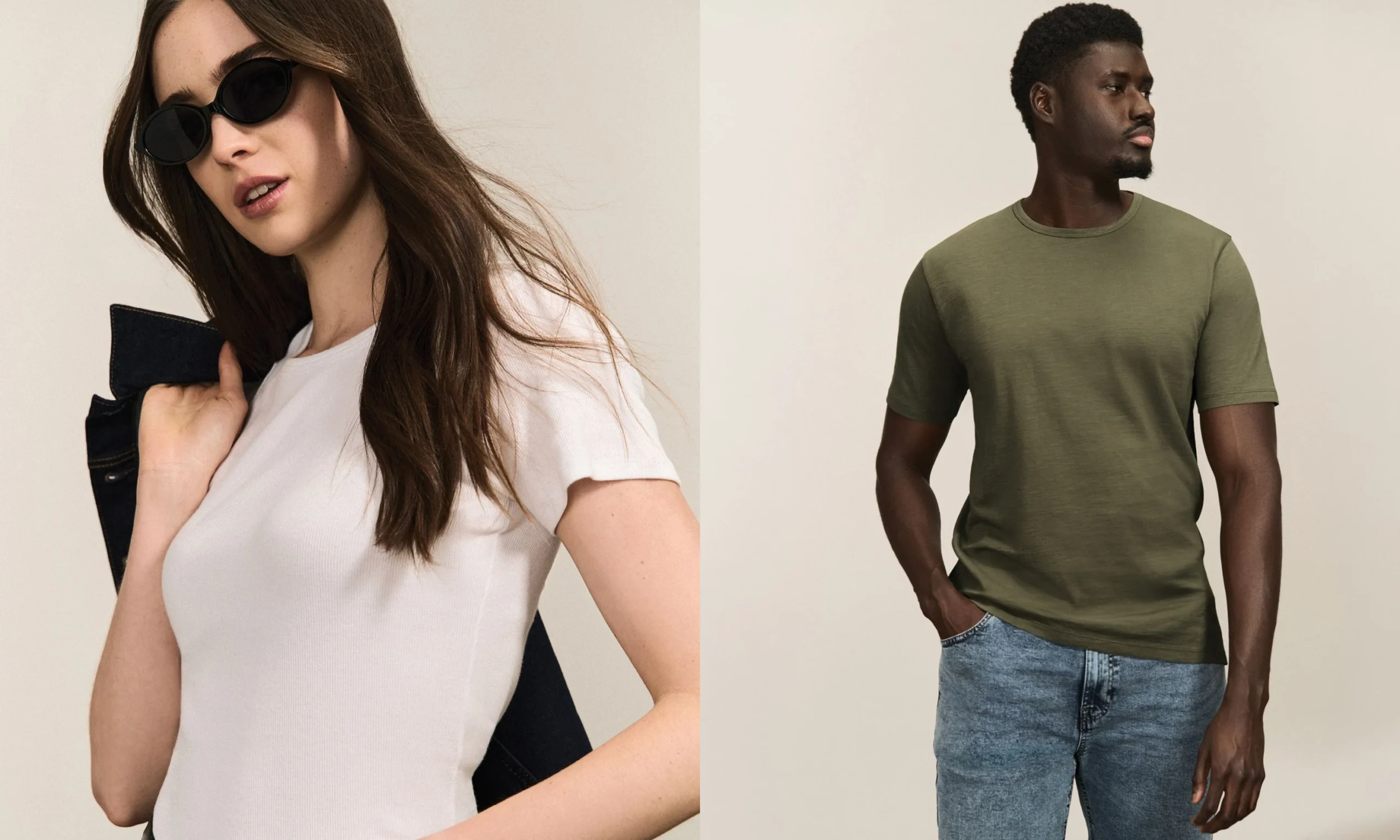
Manufacturers such as Bless Clothing help clothing brands develop private label casualwear products and scale production as their businesses grow.
What Is a Private Label Casual Clothing Manufacturer?
A private label clothing manufacturer produces garments that carry your brand label, even though the garments are made by a third-party factory.
This means:
- the manufacturer produces the clothing
- your brand controls the identity and marketing
Typical private label casualwear products include:
- T-shirts
- hoodies
- sweatshirts
- joggers
- casual jackets
Private label production allows brands to enter the market quickly without building their own manufacturing infrastructure.
How Private Label Clothing Manufacturing Works
The private label process usually involves collaboration between the brand and the manufacturer.
Brands typically customize several aspects of the garment:
| Customization Area | Examples |
|---|---|
| Fabric | cotton, fleece, blends |
| Colors | custom dye options |
| Branding | woven labels, printed logos |
| Packaging | hang tags, branded bags |
Manufacturers then produce garments according to the agreed specifications.
This approach balances speed, flexibility, and brand customization.
Private Label vs Custom Clothing Manufacturing
Many new clothing brands wonder whether private label or custom manufacturing is the better option.
| Feature | Private Label | Custom Manufacturing |
|---|---|---|
| Product development time | Faster | Longer |
| Design flexibility | Moderate | Full |
| Startup cost | Lower | Higher |
| Product uniqueness | Medium | High |
| Best for | New brands | Established brands |
Private label production is often ideal for startup brands testing their first collections.
Why Many Clothing Brands Choose Private Label
Private label manufacturing has become increasingly popular among emerging fashion brands.
Faster Product Launch
Brands can launch products faster by customizing existing garment templates.
Lower Development Costs
Private label production usually requires fewer development resources.
Reduced Production Risk
Brands can test market demand before investing in large custom production runs.
These advantages make private label production attractive for startup clothing brands.
Typical Services Offered by Private Label Manufacturers
Professional manufacturers usually provide several services beyond garment production.
Fabric Sourcing
Manufacturers often have established relationships with fabric suppliers.
Product Development
Factories may assist brands with improving garment construction and fit.
Sampling
Samples allow brands to evaluate product quality before bulk production.
Branding Integration
Manufacturers can add branding elements such as:
- woven labels
- printed tags
- embroidery logos
- custom packaging
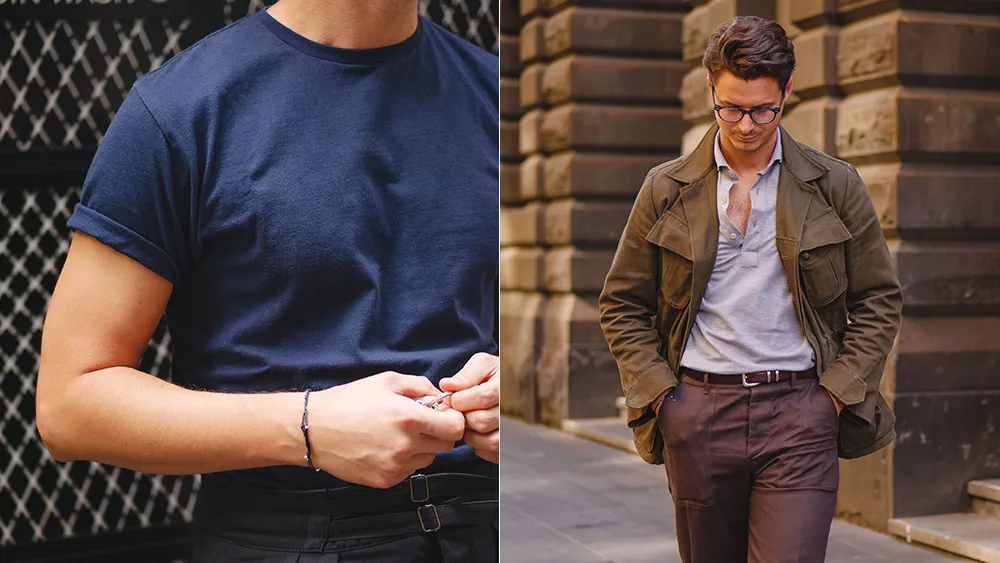
Companies like Bless Clothing help clothing brands develop private label casualwear collections with scalable production capabilities.
Private Label Production Workflow
The private label production process usually follows several steps.
| Step | Description |
|---|---|
| Product selection | choose base garment style |
| Customization | add branding and design elements |
| Sample development | create prototype garment |
| Sample approval | finalize design details |
| Bulk production | manufacture garments |
| Quality inspection | check finished products |
| Packaging & shipping | deliver products to the brand |
Understanding this workflow helps brands plan their product launches more effectively.
How to Choose a Reliable Private Label Manufacturer
Choosing the right manufacturing partner is essential for product quality and brand success.
Evaluate Manufacturing Experience
Factories with experience in casualwear production usually provide better product quality.
Review Sampling Capabilities
Sampling allows brands to test product details before bulk production.
Assess Communication and Transparency
Reliable manufacturers communicate clearly about timelines and pricing.
Consider Production Scalability
As your brand grows, your manufacturer should be able to handle larger production volumes.
Common Mistakes Brands Make with Private Label Production
Many clothing startups make similar mistakes when working with manufacturers.
Choosing Factories Based Only on Price
Lower prices can sometimes mean lower product quality.
Skipping Sample Development
Skipping samples increases the risk of production errors.
Weak Branding Preparation
Brands should prepare their logo, labels, and packaging before production begins.
Avoiding these mistakes can significantly improve the product development process.
FAQ
What is private label clothing?
Private label clothing is manufactured by a factory but sold under a brand’s own label.
Is private label manufacturing suitable for startup brands?
Yes. Many new brands use private label production to launch their first collections.
What products are common in private label casualwear?
T-shirts, hoodies, sweatshirts, and joggers are among the most common products.
Can private label clothing be customized?
Yes. Brands can customize fabrics, colors, logos, labels, and packaging.
Final Thoughts
Private label manufacturing offers an efficient way for clothing brands to enter the fashion market.
Instead of building complex production systems from scratch, brands can work with experienced manufacturers to develop products and scale production.
Private label casual clothing manufacturers support brands with:
- product development
- fabric sourcing
- sample creation
- bulk manufacturing
If you’re exploring private label casualwear production, you can learn more about manufacturing solutions at Bless Clothing.
The right production partner can help transform your clothing brand idea into a scalable business.