
When starting or scaling a clothing brand, one of the most important decisions you’ll make is choosing the right fabric.
Many new founders focus heavily on design and branding, but fabric determines how a garment actually performs. The wrong material can lead to problems such as poor comfort, shrinkage, or low durability.
From my experience working around casualwear production and apparel development, successful brands usually treat fabric selection as a strategic decision, not just a technical step.
In this guide, I’ll explain how clothing brands can choose the right fabrics for casualwear collections, what factors matter most, and how manufacturers approach fabric sourcing.
Table of Contents
- Quick Answer
- Why Fabric Selection Matters for Clothing Brands
- Key Factors to Consider When Choosing Fabric
- Most Common Fabrics Used in Casualwear
- Understanding Fabric Weight (GSM)
- Fabric Comparison for Different Casualwear Products
- How Manufacturers Help Brands Source Fabrics
- Common Fabric Mistakes Clothing Brands Make
- FAQ
- Final Thoughts
Quick Answer
The best fabrics for casual clothing typically balance:
- comfort
- durability
- breathability
- cost efficiency
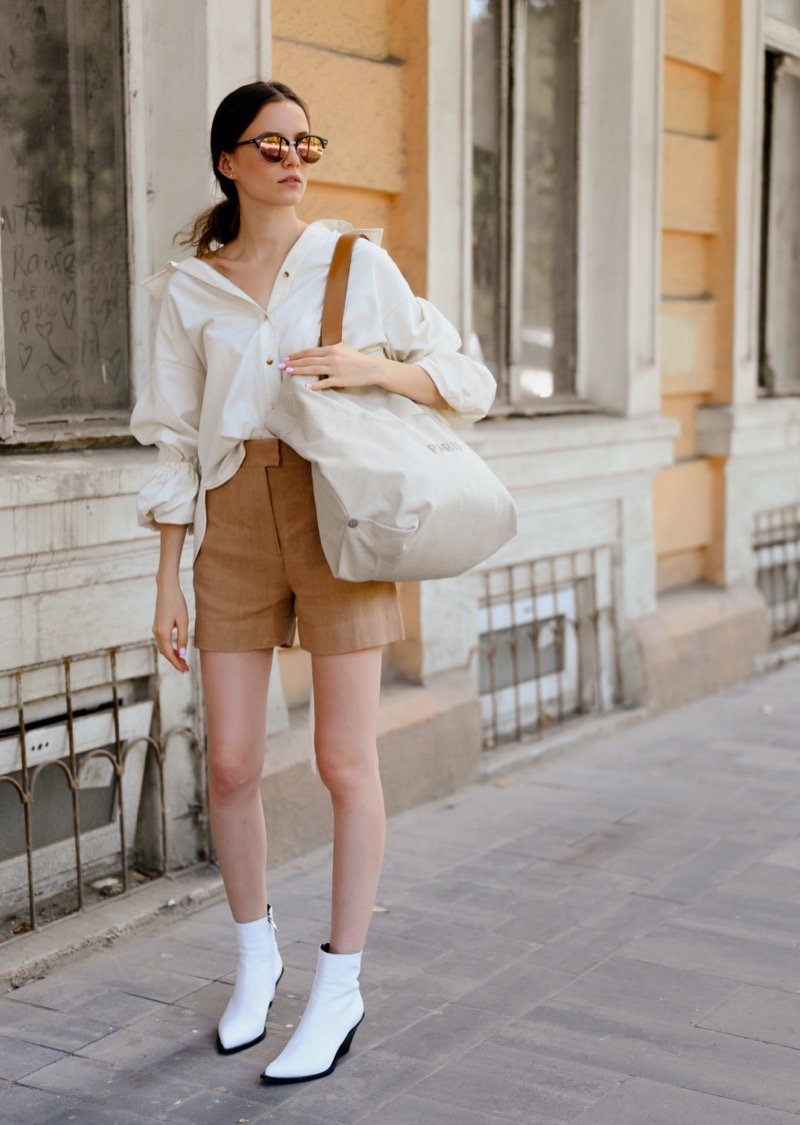
Common fabrics used in casualwear include cotton, cotton blends, fleece, and French terry.
Manufacturers such as Bless Clothing help clothing brands choose suitable fabrics and develop custom casualwear products based on their target market and product category.
Why Fabric Selection Matters for Clothing Brands
Fabric directly affects how customers experience your clothing.
A well-chosen fabric improves:
| Factor | Why It Matters |
|---|---|
| Comfort | determines softness and breathability |
| Durability | affects product lifespan |
| Fit and drape | influences garment silhouette |
| Brand perception | premium fabrics increase brand value |
For casualwear brands, fabric choice often determines whether a product feels basic or premium.
Key Factors to Consider When Choosing Fabric
Several factors influence fabric selection for clothing brands.
Comfort and Breathability
Casual clothing is designed for everyday wear, so comfort is essential.
Natural fibers such as cotton usually provide better breathability.
Durability
Clothing items like hoodies and sweatshirts should withstand frequent washing and wear.
Blended fabrics often improve durability.
Cost Efficiency
Fabric is one of the largest components of production cost.
Brands must balance quality and affordability.
Brand Positioning
Premium brands may use heavier fabrics or organic materials to create a higher-quality feel.
Most Common Fabrics Used in Casualwear
Several fabric types dominate the casual clothing industry.
| Fabric | Characteristics | Best Use |
|---|---|---|
| Cotton | soft, breathable | everyday T-shirts |
| Cotton-Poly Blend | durable, wrinkle resistant | casual activewear |
| French Terry | lightweight sweatshirt fabric | hoodies and sweatshirts |
| Fleece | warm and soft interior | winter hoodies |
| Organic Cotton | eco-friendly material | sustainable brands |
Each fabric type serves different product categories.
Understanding Fabric Weight (GSM)
Fabric weight is measured in GSM (grams per square meter).
Higher GSM fabrics are thicker and heavier.
| GSM Range | Typical Use |
|---|---|
| 120–160 GSM | lightweight T-shirts |
| 160–200 GSM | standard casual T-shirts |
| 200–260 GSM | premium heavyweight T-shirts |
| 300–350 GSM | standard hoodies |
| 350–450 GSM | heavyweight streetwear hoodies |
Choosing the right GSM helps brands achieve the desired balance between comfort and durability.
Fabric Comparison for Different Casualwear Products
Different garments require different fabric characteristics.
| Product | Recommended Fabric |
|---|---|
| T-shirts | cotton or cotton blends |
| Hoodies | fleece or French terry |
| Sweatshirts | cotton fleece |
| Joggers | cotton blends or fleece |
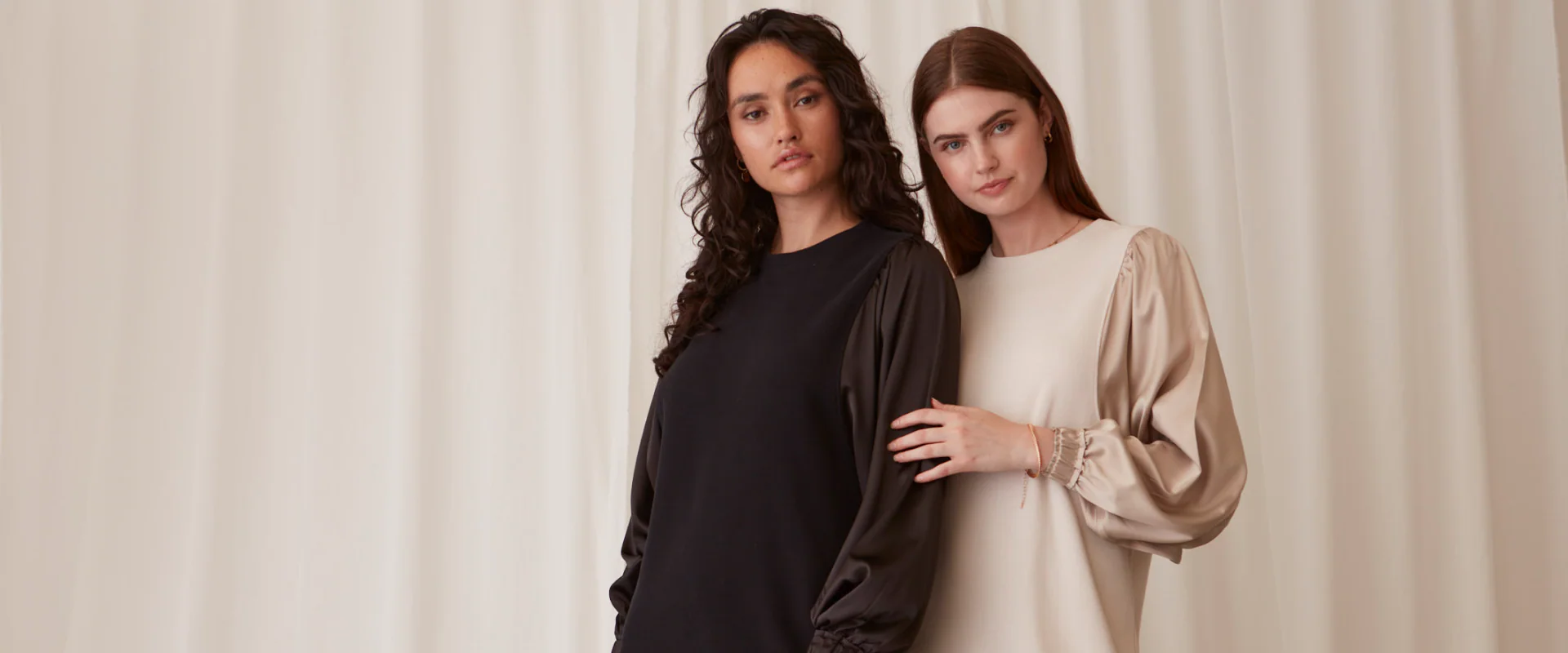
Matching fabric type to product category improves garment performance and comfort.
How Manufacturers Help Brands Source Fabrics
Many clothing brands rely on manufacturers to source fabrics.
Experienced manufacturers usually have:
- established fabric suppliers
- access to multiple material options
- knowledge of fabric performance
For example, manufacturers like Bless Clothing assist clothing brands with fabric sourcing and product development for custom casualwear collections.
Working with experienced manufacturers simplifies the fabric selection process.
Common Fabric Mistakes Clothing Brands Make
Many startup clothing brands encounter similar fabric-related problems.
Choosing Fabric Based Only on Price
Low-cost materials may reduce product quality.
Ignoring Fabric Weight
Incorrect GSM can affect garment structure and comfort.
Skipping Fabric Testing
Testing samples before production helps prevent quality issues.
Misunderstanding Fabric Performance
Some fabrics shrink or stretch differently during washing.
Avoiding these mistakes helps improve final product quality.
FAQ
What fabric is best for casual clothing?
Cotton and cotton blends are among the most popular fabrics for casualwear because they offer comfort and durability.
What GSM is best for T-shirts?
Most casual T-shirts use fabrics between 160–200 GSM.
What fabric is best for hoodies?
French terry and fleece fabrics are commonly used for hoodie production.
Can manufacturers help choose fabrics?
Yes. Many clothing manufacturers assist brands with fabric sourcing and product development.
Final Thoughts
Fabric selection plays a major role in the success of casual clothing products.
Choosing the right fabric helps brands improve comfort, durability, and overall product quality.
Successful clothing brands usually focus on:
- appropriate fabric weight
- reliable material suppliers
- proper fabric testing
If you're developing casualwear products and need help sourcing materials, you can learn more about manufacturing and fabric options at Bless Clothing.
Understanding fabric selection will help your clothing brand create better products and build stronger customer trust.