
Finding the right clothing factory is one of the most important decisions for any clothing brand. A reliable manufacturing partner can help you launch products smoothly, maintain consistent quality, and scale production as your brand grows.
However, many startup clothing brands struggle to evaluate factories. Some manufacturers offer low prices but lack quality control, while others may have good production capabilities but poor communication.
From my experience working around apparel manufacturing and casualwear production, the most successful brands focus on long-term reliability rather than just the lowest cost.
In this guide, I’ll explain what to look for in a reliable casual clothing factory, how to evaluate potential manufacturing partners, and what factors matter most when building a sustainable clothing brand.
Table of Contents
- Quick Answer
- Why Choosing the Right Factory Matters
- Key Qualities of a Reliable Clothing Factory
- Factory Capabilities You Should Evaluate
- Production Capacity and Scalability
- Communication and Transparency
- Quality Control Systems
- Pricing vs Reliability
- Checklist for Evaluating a Clothing Manufacturer
- FAQ
- Final Thoughts
Quick Answer
A reliable casual clothing factory should offer:
- consistent product quality
- clear communication
- flexible production options
- strong quality control systems
- scalable manufacturing capacity
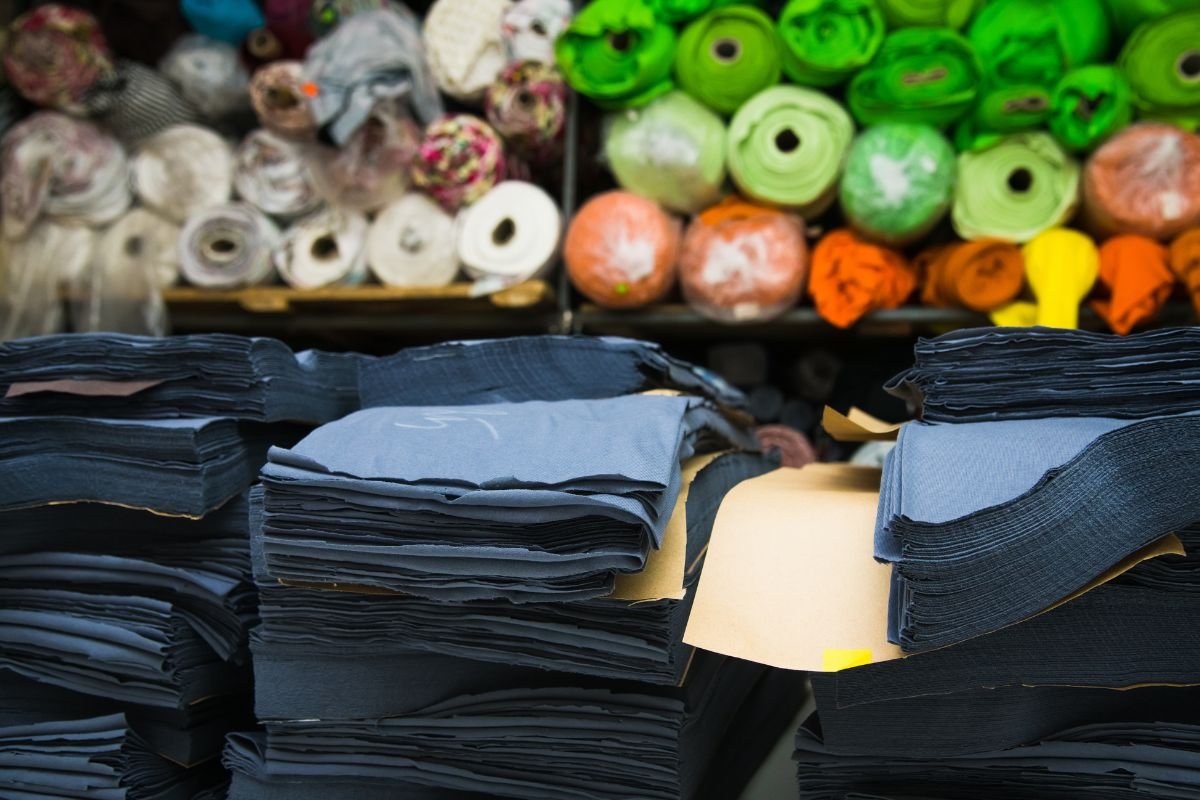
Experienced manufacturers such as Bless Clothing support clothing brands by providing structured production processes and professional casualwear manufacturing services.
Why Choosing the Right Factory Matters
The clothing factory you choose directly affects your brand’s success.
A reliable manufacturer can help you:
| Benefit | Explanation |
|---|---|
| maintain product quality | consistent garments build customer trust |
| avoid production delays | efficient factories follow timelines |
| scale production | factories support growing demand |
| reduce manufacturing risks | experienced teams solve production issues |
Poor manufacturing partnerships often lead to delays, defective products, or inconsistent sizing.
Key Qualities of a Reliable Clothing Factory
Not all factories operate at the same level of professionalism.
Reliable manufacturers typically demonstrate several core qualities.
Production Experience
Factories with years of experience understand common production challenges and how to solve them efficiently.
Skilled Workforce
Experienced sewing teams improve garment construction and finishing quality.
Organized Production Systems
Structured workflows help factories maintain consistent output.
Industry Knowledge
Factories that specialize in casualwear understand garment fit, fabric behavior, and construction techniques.
Factory Capabilities You Should Evaluate
Before choosing a clothing manufacturer, brands should evaluate the factory’s production capabilities.
| Capability | Why It Matters |
|---|---|
| pattern development | ensures accurate garment fit |
| fabric sourcing | provides material options |
| sampling services | allows product testing |
| printing and embroidery | supports branding customization |
Factories with complete capabilities help simplify the production process for clothing brands.
Production Capacity and Scalability
Production capacity determines how well a factory can support your brand’s growth.
Brands should evaluate:
- monthly production volume
- production line capacity
- ability to handle larger orders
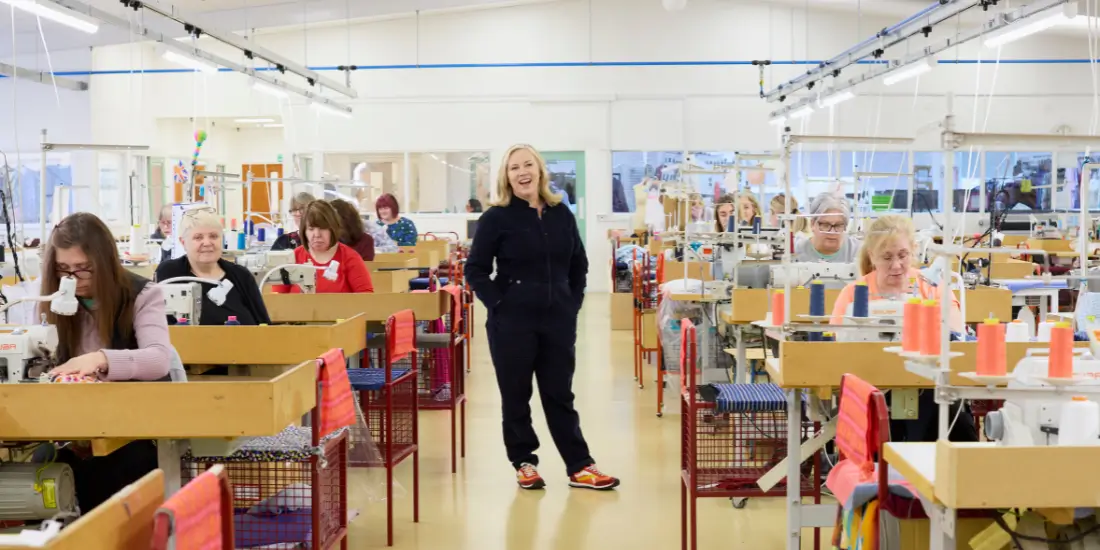
Startup brands often begin with small production runs but eventually need manufacturers who can support larger orders.
Manufacturers like Bless Clothing provide scalable production solutions designed for growing casualwear brands.
Communication and Transparency
Communication is one of the most overlooked aspects of clothing manufacturing.
Reliable factories provide:
- clear production timelines
- regular progress updates
- transparent pricing structures
- quick responses to questions
Strong communication helps prevent misunderstandings during product development and manufacturing.
Quality Control Systems
A professional clothing factory should implement structured quality control systems.
Typical quality control processes include:
| Inspection Stage | Purpose |
|---|---|
| fabric inspection | check material quality |
| inline inspection | monitor sewing process |
| final inspection | verify finished garments |
International quality standards are often guided by organizations such as ISO, which publish manufacturing quality guidelines.
Pricing vs Reliability
Many clothing brands focus heavily on price when selecting a factory.
However, the lowest price does not always mean the best value.
| Factor | Why It Matters |
|---|---|
| product quality | affects customer satisfaction |
| production consistency | prevents product returns |
| communication | reduces production mistakes |
Reliable factories may not always offer the lowest prices, but they often provide better long-term value.
Checklist for Evaluating a Clothing Manufacturer
Brands can use the following checklist when evaluating potential manufacturing partners.
| Evaluation Factor | Questions to Ask |
|---|---|
| production experience | how long has the factory operated? |
| product specialization | do they produce casualwear? |
| sampling process | can they create development samples? |
| quality control | what inspection systems exist? |
| communication | how quickly do they respond? |
Using a structured evaluation process helps brands identify reliable manufacturing partners.
FAQ
How do I know if a clothing factory is reliable?
Reliable factories demonstrate consistent communication, structured production processes, and strong quality control systems.
What should startup brands look for in a clothing manufacturer?
Startup brands should prioritize flexible production options, sampling support, and clear communication.
Can small clothing brands work with professional factories?
Yes. Many manufacturers support small brands with low MOQ production and product development services.
Is factory location important?
Factory location can affect shipping cost, production speed, and communication efficiency.
Final Thoughts
Choosing the right casual clothing factory is a critical step in building a successful clothing brand.
Reliable manufacturing partners help brands:
- produce high-quality garments
- maintain consistent sizing and construction
- scale production as demand grows
By evaluating factory capabilities, communication practices, and quality control systems, clothing brands can build strong manufacturing partnerships.
If you're exploring manufacturing options for casualwear products, you can learn more about production services at Bless Clothing.
Selecting the right factory partner can significantly improve your brand’s long-term success.