
Joggers have become one of the most popular items in modern casualwear. From streetwear brands to lifestyle apparel companies, jogger pants are now a core product in many clothing collections.
However, producing high-quality joggers requires more than just basic sewing. The process involves fabric selection, pattern development, fit testing, and reliable manufacturing partners.
From my experience working around apparel production and casualwear manufacturing, brands that succeed with jogger products usually invest time in proper product development and manufacturer selection.
In this guide, I’ll explain how casual joggers are manufactured, what brands should consider when choosing a manufacturer, and how to develop joggers that customers actually want to wear.
Table of Contents
- Quick Overview
- What a Casual Jogger Manufacturer Does
- Key Features of High-Quality Joggers
- Step-by-Step Jogger Production Process
- Fabric Options for Casual Joggers
- Customization Options for Jogger Manufacturing
- Quality Control in Jogger Production
- How to Choose the Right Jogger Manufacturer
- FAQ
- Final Thoughts
Quick Overview
A casual jogger manufacturer produces jogger pants for clothing brands through a structured production process.
Typical stages include:
| Stage | Purpose |
|---|---|
| design development | define product concept |
| pattern making | create garment structure |
| fabric sourcing | select materials |
| sample development | test garment fit |
| bulk production | manufacture garments |
| quality inspection | ensure product standards |
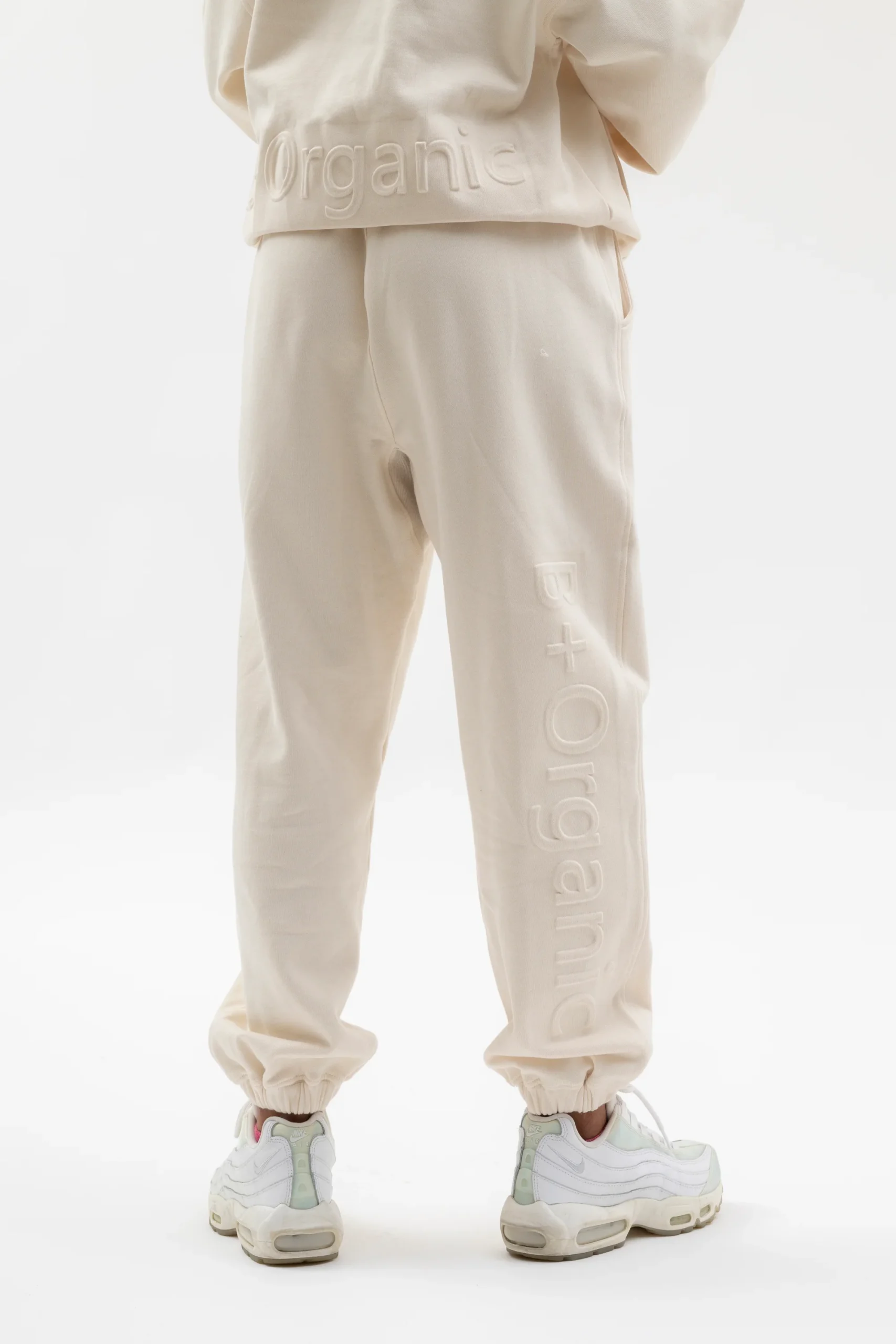
Many clothing brands work with manufacturers such as Bless Clothing to develop custom casualwear products including joggers.
What a Casual Jogger Manufacturer Does
A jogger manufacturer is responsible for producing jogger pants based on brand designs and technical specifications.
Typical services include:
- pattern development
- fabric sourcing
- sample production
- bulk manufacturing
- quality inspection
Manufacturers help brands turn product ideas into market-ready garments.
Reliable manufacturers also support brands with product development and manufacturing expertise.
Key Features of High-Quality Joggers
Not all joggers are created equal. High-quality joggers combine comfort, durability, and functional design.
Important design elements include:
| Feature | Purpose |
|---|---|
| elastic waistband | comfort and adjustability |
| drawstring closure | adjustable fit |
| cuffed ankle design | modern silhouette |
| durable stitching | long-term durability |
| soft fabric interior | improved comfort |
These elements make joggers suitable for everyday casualwear.
Step-by-Step Jogger Production Process
Manufacturing joggers involves several stages.
1. Product Design
The design phase defines the jogger’s silhouette, fit, and functional features.
Design considerations include:
- tapered or relaxed fit
- pocket placement
- waistband construction
- cuff style
2. Pattern Development
Pattern makers create templates that define garment structure.
Patterns determine:
- leg shape
- pocket structure
- waistband placement
Accurate patterns ensure consistent sizing across production batches.
3. Fabric Selection
Fabric selection strongly affects jogger comfort and durability.
Common fabric options include:
| Fabric | Characteristics |
|---|---|
| cotton fleece | warm and soft |
| French terry | lightweight casual fabric |
| cotton blends | durable and flexible |
| performance fabrics | moisture-wicking materials |
Textile organizations such as Textile Exchange provide information on sustainable fabric development.
4. Sample Development
Manufacturers create prototype joggers before production begins.
Samples allow brands to test:
- garment fit
- fabric comfort
- pocket placement
- stitching durability
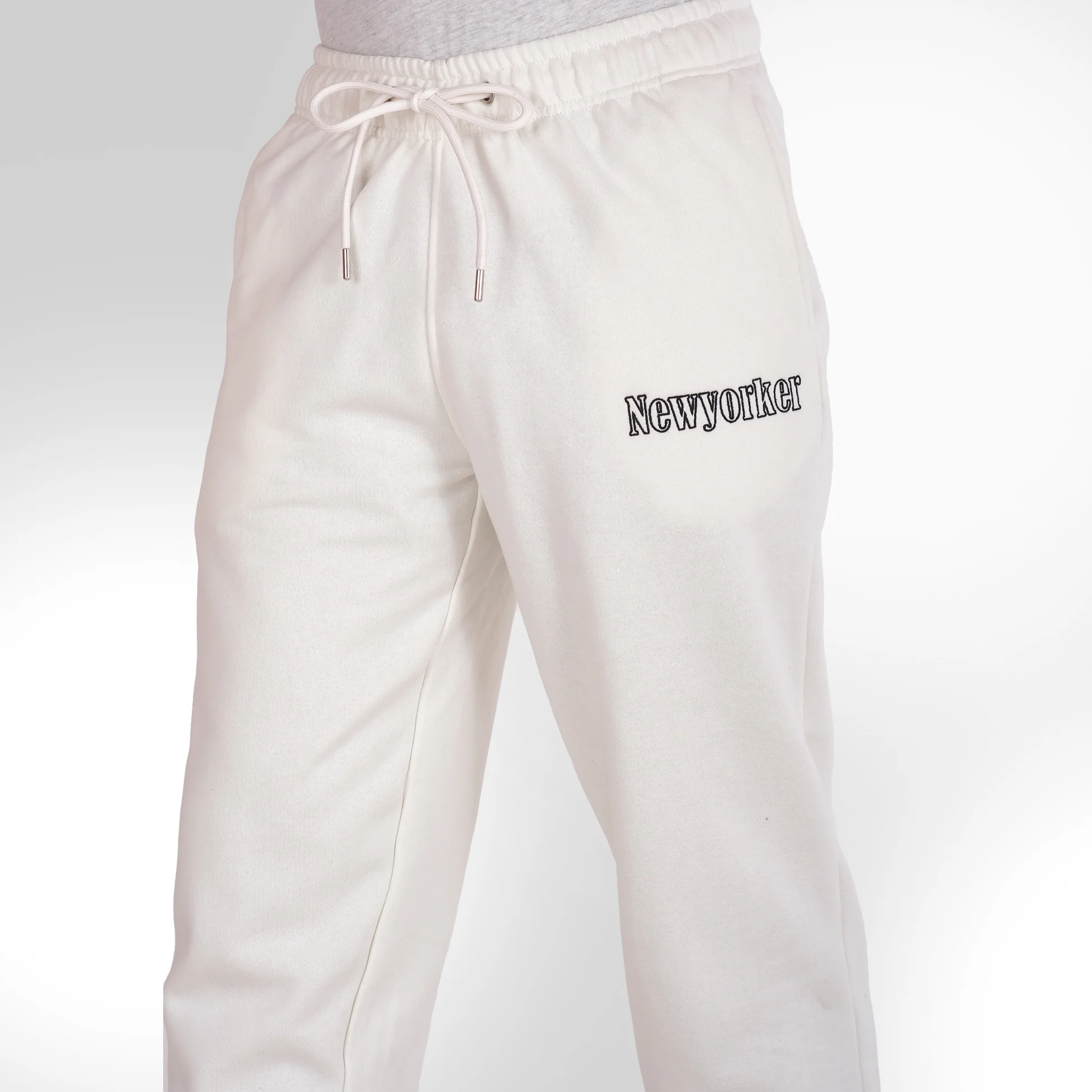
Most jogger designs go through multiple sample revisions before approval.
5. Bulk Production
Once samples are approved, the manufacturer begins full production.
Typical production stages include:
| Production Step | Description |
|---|---|
| fabric cutting | prepare garment panels |
| sewing assembly | construct jogger structure |
| waistband installation | attach elastic waistband |
| finishing | trimming and pressing |
Factories often use assembly-line systems to improve efficiency.
Fabric Options for Casual Joggers
Different fabrics influence the style and functionality of joggers.
| Fabric Type | Best Use |
|---|---|
| French terry | lightweight everyday joggers |
| fleece | winter casualwear |
| cotton blends | durable daily wear |
| performance knit | active casualwear |
Choosing the right fabric depends on the brand’s product positioning.
Customization Options for Jogger Manufacturing
Clothing brands often customize joggers to strengthen brand identity.
Common customization options include:
| Custom Feature | Purpose |
|---|---|
| embroidery logos | brand visibility |
| printed graphics | visual style |
| woven labels | product identification |
| custom packaging | brand presentation |
Manufacturers such as Bless Clothing help brands customize casualwear garments to match their brand identity.
Quality Control in Jogger Production
Quality inspection ensures that finished joggers meet brand standards.
Typical inspection steps include:
| Inspection Type | Purpose |
|---|---|
| fabric inspection | check material defects |
| stitching inspection | verify construction quality |
| measurement check | confirm garment sizing |
| final inspection | review finished garments |
International manufacturing standards are often guided by organizations such as ISO.
How to Choose the Right Jogger Manufacturer
Choosing the right manufacturing partner is essential for clothing brands.
Brands should evaluate:
| Factor | Importance |
|---|---|
| production experience | ensures product quality |
| sampling capabilities | improves product development |
| quality control systems | prevents manufacturing defects |
| communication | reduces production errors |
Reliable manufacturers help brands produce consistent, high-quality garments.
FAQ
What fabrics are best for casual joggers?
French terry and cotton fleece are among the most common fabrics for joggers because they offer comfort and durability.
What is the typical MOQ for jogger manufacturing?
Most manufacturers require 50–200 pieces per design, depending on production capabilities.
How long does jogger production take?
Production typically takes 3–5 weeks after sample approval.
Can joggers be customized for clothing brands?
Yes. Brands can customize logos, fabrics, labels, and packaging during production.
Final Thoughts
Joggers are one of the most versatile products in modern casualwear collections.
Producing high-quality joggers requires:
- thoughtful product design
- suitable fabric selection
- reliable manufacturing partners
Brands that focus on product development and manufacturing quality can create joggers that customers enjoy wearing.
If you're exploring jogger production for your clothing brand, you can learn more about manufacturing services at Bless Clothing.
Working with experienced manufacturers helps clothing brands produce comfortable, durable joggers that perform well in the market.