
Launching a clothing brand used to require factories, large budgets, and deep industry connections. Today, however, many entrepreneurs build successful brands through private label manufacturing.
Private label allows brands to sell clothing under their own name while working with experienced manufacturers to handle production.
From what I’ve seen across casualwear production and brand development, the brands that launch successfully usually focus on clear product positioning, reliable manufacturing partners, and simple product collections.
In this guide, I’ll walk through how to launch a private label casual clothing brand step by step, including product planning, manufacturing, and growth strategies.
Table of Contents
- Quick Answer
- What Private Label Clothing Means
- Why Many Startups Choose Private Label
- Step-by-Step Guide to Launching a Private Label Brand
- Choosing the Right Casual Clothing Manufacturer
- Product Categories That Work Well for Private Label
- Costs of Launching a Private Label Clothing Brand
- Common Mistakes New Clothing Brands Make
- FAQ
- Final Thoughts
Quick Answer
Launching a private label casual clothing brand usually involves five main steps:
| Step | Goal |
|---|---|
| brand concept | define your niche |
| product selection | choose core items |
| manufacturer partnership | produce garments |
| branding & packaging | build identity |
| launch strategy | sell and scale |
Many new brands partner with manufacturers such as Bless Clothing to produce private label casualwear products efficiently.
What Private Label Clothing Means
Private label clothing refers to garments produced by manufacturers but sold under a brand’s own name.
Instead of building a factory, brands collaborate with manufacturers to produce items such as:
- T-shirts
- hoodies
- sweatshirts
- joggers
- casual jackets
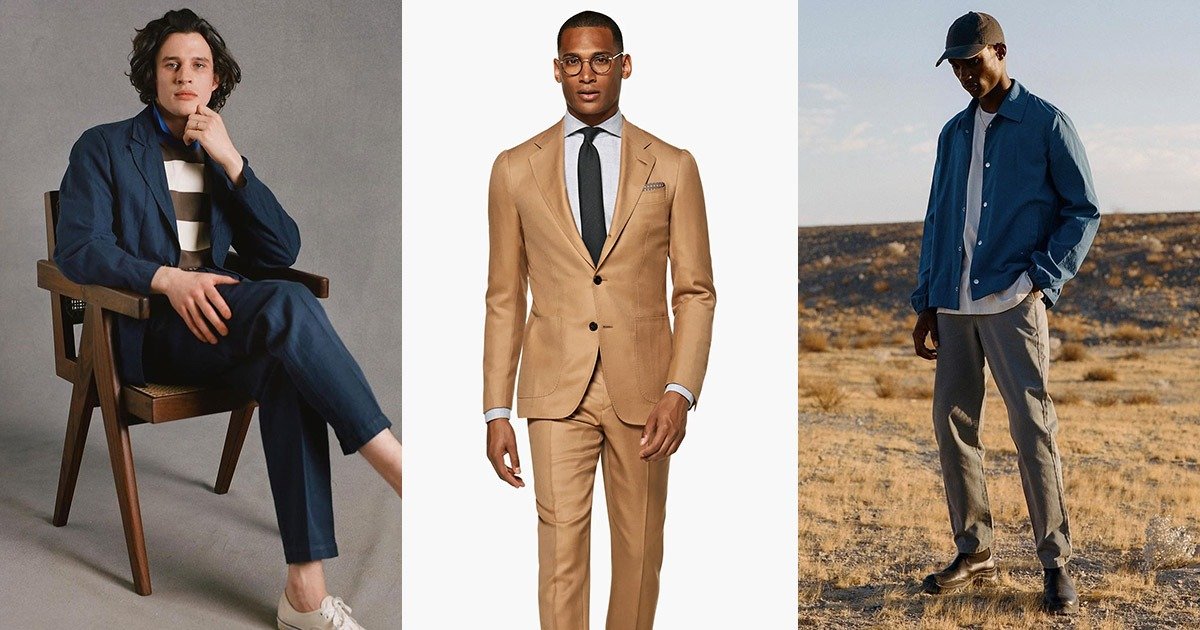
The manufacturer handles production while the brand focuses on design, marketing, and sales.
This model allows entrepreneurs to launch clothing brands with lower startup complexity.
Why Many Startups Choose Private Label
Private label manufacturing offers several advantages.
| Advantage | Explanation |
|---|---|
| lower startup costs | no need for factory investment |
| faster product development | manufacturers already have expertise |
| scalable production | factories handle volume increases |
| brand control | products are sold under your brand |
Because of these benefits, many modern apparel startups adopt the private label model.
Step-by-Step Guide to Launching a Private Label Brand
Building a private label clothing brand becomes much easier when the process is broken down into clear stages.
1. Define Your Brand Concept
Before creating products, define the brand’s positioning.
Consider:
- target audience
- product style
- pricing strategy
- brand identity
For example, a casualwear brand may focus on:
- minimal everyday clothing
- street-inspired casualwear
- athleisure styles
A strong brand concept helps guide product decisions.
2. Choose Your Core Product Line
Many successful clothing brands launch with a small product lineup.
Example starter collection:
| Product | Why It Works |
|---|---|
| T-shirts | high demand basic |
| hoodies | strong streetwear appeal |
| sweatshirts | comfortable casualwear |
| joggers | versatile everyday wear |
Launching with fewer products helps brands control inventory risk.
3. Work With a Reliable Manufacturer
Choosing the right manufacturing partner is critical.
A good manufacturer can help with:
- sampling
- fabric sourcing
- product development
- bulk production
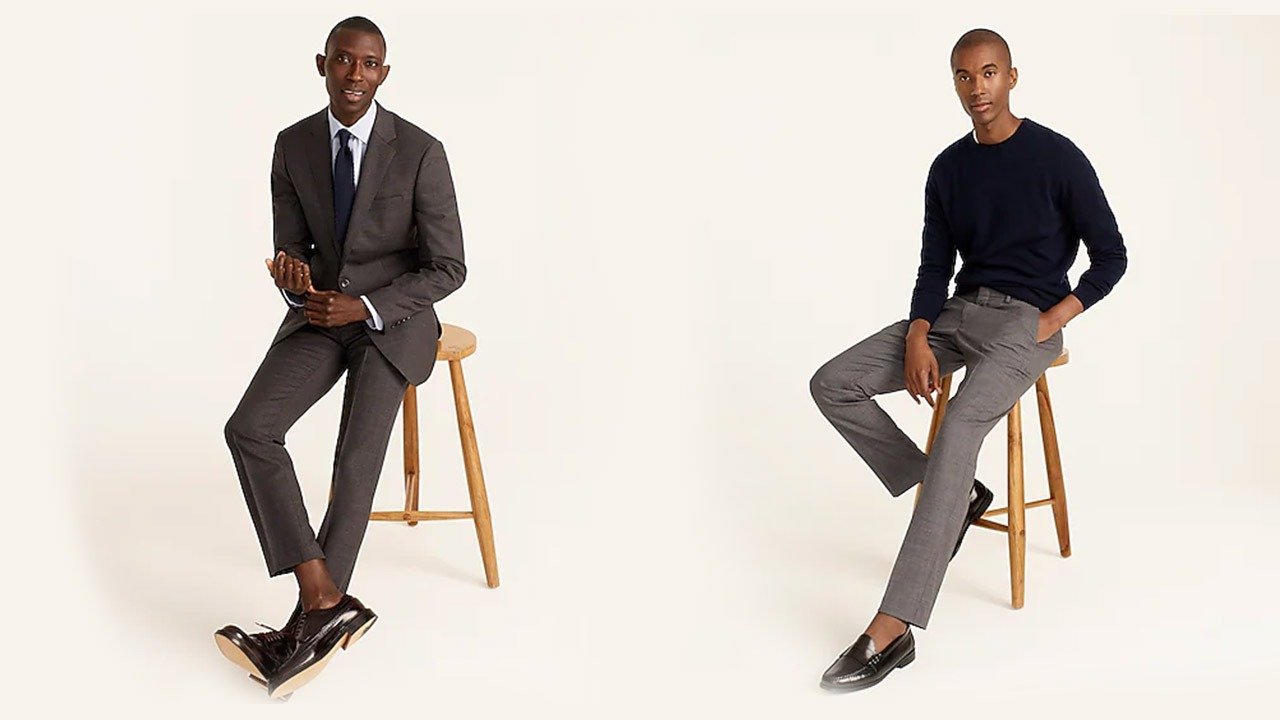
Manufacturers such as Bless Clothing support private label casualwear brands by providing production expertise and scalable manufacturing.
4. Develop Product Samples
Before production begins, manufacturers create samples.
Sampling helps brands evaluate:
| Sample Purpose | What It Tests |
|---|---|
| garment fit | sizing accuracy |
| fabric feel | comfort and durability |
| design details | stitching and construction |
| branding | logo placement |
Most brands revise samples before approving bulk production.
5. Prepare Branding and Packaging
Brand identity plays a major role in clothing marketing.
Common branding elements include:
- woven labels
- printed neck labels
- custom hangtags
- branded packaging
Strong branding helps clothing products stand out in competitive markets.
6. Launch Your Collection
After production is complete, the next step is launching the brand.
Common sales channels include:
- ecommerce websites
- social media stores
- online marketplaces
- retail partnerships
Marketing strategies often involve content creation, influencer partnerships, and social media campaigns.
Choosing the Right Casual Clothing Manufacturer
Not all manufacturers are the same.
When selecting a production partner, evaluate:
| Factor | Why It Matters |
|---|---|
| product expertise | experience with casualwear |
| sample capability | ensures accurate product development |
| production capacity | ability to scale |
| communication | prevents production mistakes |
Industry resources such as Textile Exchange also provide information on textile sourcing and sustainability in clothing production.
Product Categories That Work Well for Private Label
Some clothing products are particularly suitable for private label brands.
| Category | Popularity |
|---|---|
| T-shirts | very high |
| hoodies | very high |
| sweatshirts | high |
| joggers | high |
| casual jackets | medium |
These items are staples in many casualwear collections.
Costs of Launching a Private Label Clothing Brand
Startup costs vary depending on product complexity and order quantities.
Typical cost categories include:
| Expense | Purpose |
|---|---|
| sample development | product testing |
| manufacturing | bulk garment production |
| branding materials | labels and packaging |
| marketing | product promotion |
Small clothing brands often start with limited production runs to reduce financial risk.
Common Mistakes New Clothing Brands Make
Many clothing startups encounter similar challenges.
Launching Too Many Products
A focused collection is easier to manage.
Ignoring Product Quality
Poor product quality damages brand reputation.
Choosing the Wrong Manufacturer
Reliable manufacturing partners are essential for consistent production.
Weak Branding
Strong brand identity helps clothing products stand out.
FAQ
What is private label clothing?
Private label clothing refers to garments produced by manufacturers but sold under a brand’s own label.
How much does it cost to start a private label clothing brand?
Costs vary, but many brands begin with small production runs and limited product lines.
Do clothing brands need their own factory?
No. Most clothing brands work with manufacturers to produce garments.
Can small brands launch private label clothing?
Yes. Private label manufacturing makes it possible for small brands to launch clothing products with relatively low startup barriers.
Final Thoughts
Launching a private label casual clothing brand is more accessible than ever.
Successful brands usually focus on:
- clear product positioning
- reliable manufacturing partners
- strong branding
- controlled product launches
Private label manufacturing allows entrepreneurs to focus on building their brand while experienced manufacturers handle production.
If you’re exploring production options for private label casualwear, you can learn more about manufacturing services at Bless Clothing.
Working with experienced clothing manufacturers helps brands bring their ideas to market more efficiently.