
Sustainability is becoming one of the most important topics in modern apparel production. Consumers, retailers, and regulators are increasingly asking clothing brands where their products come from and how they are made.
From what I’ve seen across casualwear production and brand development, sustainable manufacturing is no longer just a marketing concept — it is gradually becoming a practical production requirement.
For clothing brands, understanding sustainable manufacturing helps improve product credibility, long-term brand value, and supply chain stability.
In this guide, I’ll explain how sustainable casual clothing manufacturing works, what materials and processes are involved, and how brands can move toward more responsible production.
Table of Contents
- Quick Answer
- What Sustainable Clothing Manufacturing Means
- Why Sustainability Matters in Casualwear Production
- Sustainable Fabrics Used in Casual Clothing
- Responsible Manufacturing Processes
- Certifications and Industry Standards
- How Clothing Brands Can Build a Sustainable Supply Chain
- Common Sustainability Mistakes Brands Make
- FAQ
- Final Thoughts
Quick Answer
Sustainable casual clothing manufacturing focuses on reducing environmental impact while maintaining product quality.
Key elements include:
| Area | Sustainable Approach |
|---|---|
| fabrics | organic or recycled materials |
| production | efficient manufacturing methods |
| supply chain | responsible sourcing |
| product lifecycle | durable clothing design |
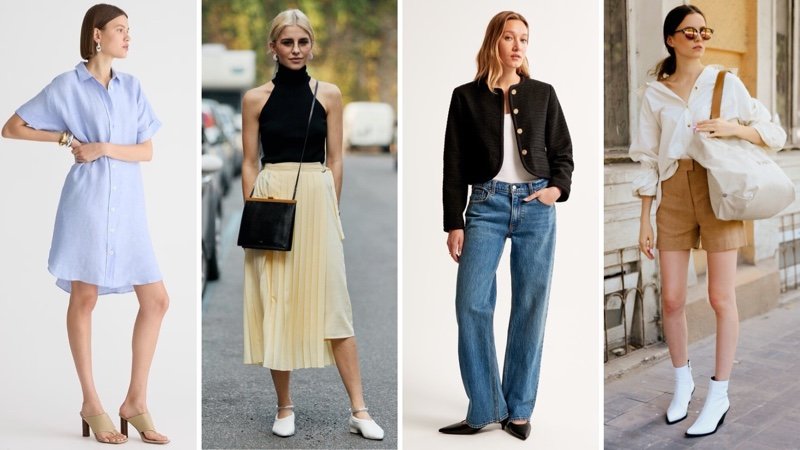
Many clothing brands collaborate with manufacturers like Bless Clothing to explore more responsible production strategies.
What Sustainable Clothing Manufacturing Means
Sustainable clothing manufacturing refers to producing garments in ways that minimize environmental impact and improve supply chain responsibility.
This can involve:
- environmentally friendly fabrics
- reduced water consumption
- lower chemical usage
- improved production efficiency
The goal is to create garments that are both high quality and responsibly produced.
Why Sustainability Matters in Casualwear Production
Casual clothing is one of the largest segments in the global apparel industry. Because of its scale, improving sustainability in this category can have a meaningful impact.
Key reasons brands prioritize sustainability include:
| Reason | Impact |
|---|---|
| consumer demand | shoppers increasingly prefer responsible brands |
| regulatory changes | environmental standards are evolving |
| brand reputation | sustainability strengthens brand trust |
| long-term cost efficiency | efficient production reduces waste |
These factors make sustainability a strategic priority for many clothing brands.
Sustainable Fabrics Used in Casual Clothing
Fabric choice is one of the most important factors in sustainable apparel production.
Common sustainable fabrics include:
| Fabric | Characteristics |
|---|---|
| organic cotton | grown without harmful pesticides |
| recycled polyester | made from recycled plastic materials |
| bamboo fibers | fast-growing renewable resource |
| recycled cotton | reduces textile waste |
Industry organizations such as Textile Exchange provide research and guidelines for responsible textile sourcing.
Responsible Manufacturing Processes
Beyond fabrics, production methods also affect sustainability.
Responsible manufacturing focuses on improving efficiency.
| Process Improvement | Benefit |
|---|---|
| water-saving dyeing | reduces water consumption |
| efficient cutting methods | minimizes fabric waste |
| energy-efficient machinery | lowers carbon footprint |
| optimized logistics | reduces transportation impact |
Factories that implement these improvements contribute to more sustainable clothing production.
Certifications and Industry Standards
Several organizations provide certification systems for sustainable apparel production.
| Certification | Focus Area |
|---|---|
| GOTS | organic textile certification |
| OEKO-TEX | textile safety standards |
| Bluesign | responsible chemical management |
| ISO environmental standards | production management systems |

Manufacturing guidelines from organizations like ISO also support responsible production systems.
How Clothing Brands Can Build a Sustainable Supply Chain
Building a sustainable clothing supply chain requires cooperation between brands and manufacturers.
Key steps include:
Choosing Responsible Materials
Brands should prioritize fabrics that reduce environmental impact.
Working With Transparent Manufacturers
Manufacturers that share information about production processes help improve supply chain transparency.
Designing Durable Products
Durable garments reduce overall clothing waste.
Manufacturers such as Bless Clothing often support brands by improving production efficiency and material sourcing.
Common Sustainability Mistakes Brands Make
Many brands attempt sustainability initiatives but encounter challenges.
Overusing Sustainability Claims
Brands should ensure claims are supported by real production practices.
Ignoring Supply Chain Transparency
True sustainability requires visibility across the manufacturing process.
Prioritizing Marketing Over Product Quality
Sustainable products must still meet quality expectations.
Avoiding these mistakes helps brands build credible sustainability strategies.
FAQ
What is sustainable clothing manufacturing?
It refers to producing garments using materials and processes that reduce environmental impact.
Are sustainable fabrics more expensive?
Some materials may cost more initially, but improved efficiency can balance long-term costs.
Can small clothing brands produce sustainable products?
Yes. Even small brands can adopt responsible fabrics and manufacturing practices.
Is sustainability becoming a requirement in fashion?
Many industry experts believe sustainability will become increasingly important for clothing brands worldwide.
Final Thoughts
Sustainable manufacturing is gradually reshaping the clothing industry.
For casualwear brands, improving sustainability involves:
- responsible material sourcing
- efficient manufacturing processes
- transparent supply chains
Brands that invest in these areas are better positioned for long-term growth.
If you're exploring sustainable casualwear production, you can learn more about manufacturing solutions at Bless Clothing.
Working with experienced manufacturers can help brands move toward more responsible and efficient apparel production.