
Many new fashion brands use the terms casual wear and streetwear interchangeably. In reality, they represent two different product strategies, audiences, and brand identities.
From my experience working with apparel manufacturers and emerging clothing brands, understanding this distinction is critical before designing your first collection.
Casual wear focuses on comfort and everyday versatility, while streetwear is built around culture, identity, and trend-driven fashion.
In this guide, I’ll break down the key differences between casual wear and streetwear, explain when brands should choose one direction over the other, and help you decide which strategy fits your brand.
Table of Contents
- Quick Answer
- What Is Casual Wear?
- What Is Streetwear?
- Core Differences Between Casual Wear and Streetwear
- Product Design Differences
- Brand Strategy: Casual vs Streetwear
- Production Differences for Manufacturers
- Which Direction Should New Brands Choose?
- FAQ
- Final Thoughts
Quick Answer
Casual wear and streetwear differ in purpose, design philosophy, and target audience.
| Category | Casual Wear | Streetwear |
|---|---|---|
| purpose | everyday comfort | fashion expression |
| style | simple and versatile | bold and trend-driven |
| audience | broad mainstream consumers | niche fashion communities |
| product focus | basics and essentials | statement pieces |
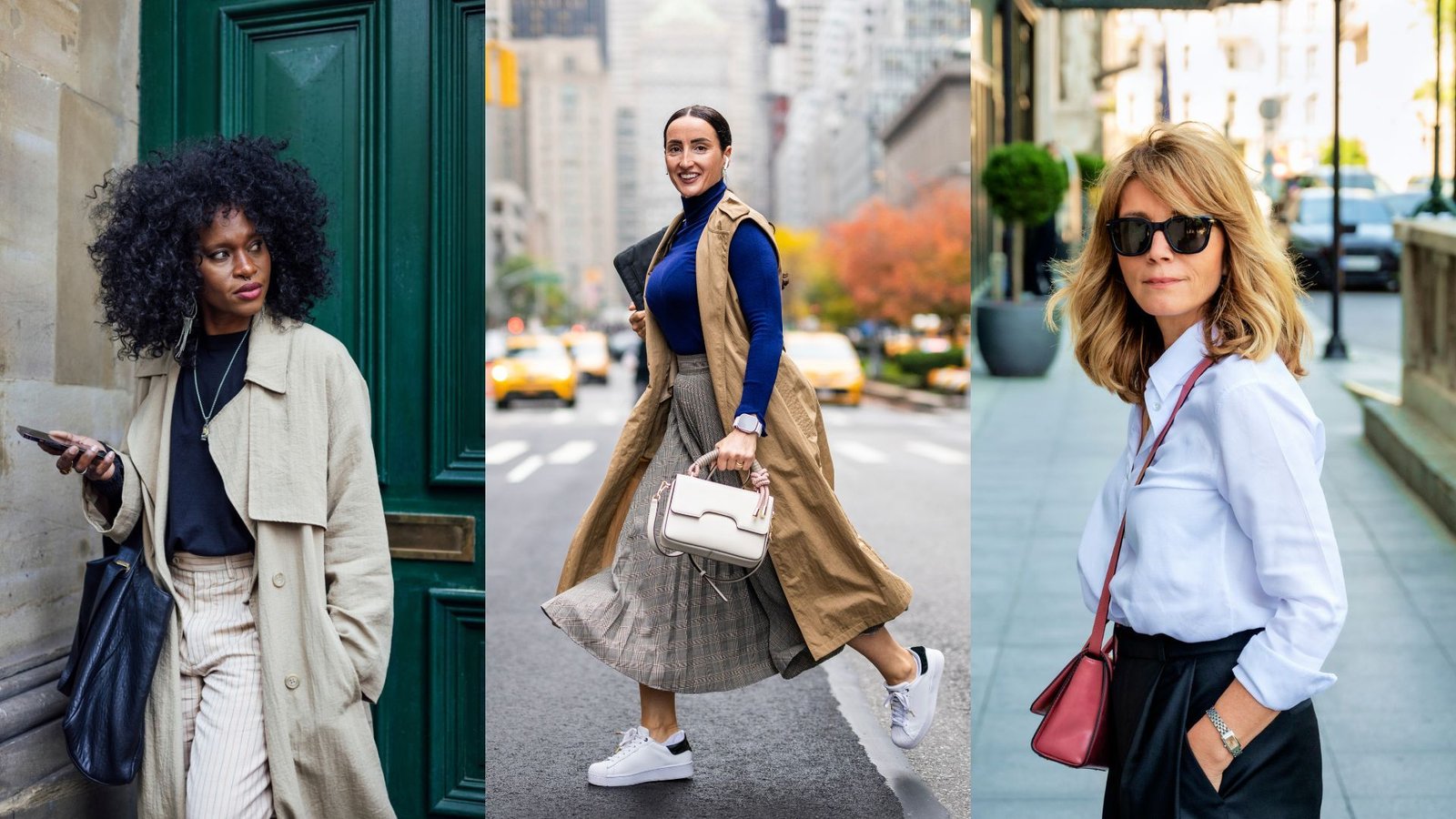
Many clothing brands work with manufacturers such as Bless Clothing to develop casual wear collections because they are easier to scale and sell globally.
What Is Casual Wear?
Casual wear refers to comfortable everyday clothing designed for daily life.
These garments are typically simple, functional, and versatile.
Common casual wear products include:
- T-shirts
- polo shirts
- sweatshirts
- hoodies
- joggers
- casual jackets
Casual clothing is designed to be worn in multiple environments such as:
- work-from-home settings
- travel
- weekend activities
- everyday social situations
Because of its versatility, casual wear has become one of the largest segments of the global apparel market.
What Is Streetwear?
Streetwear is a fashion style influenced by urban culture, skateboarding, music, and youth communities.
Unlike casual wear, streetwear emphasizes identity and cultural influence.
Streetwear characteristics often include:
| Feature | Example |
|---|---|
| bold graphics | oversized logos |
| limited drops | exclusive releases |
| oversized silhouettes | baggy hoodies |
| collaborations | brand partnerships |
Streetwear brands frequently rely on hype-driven marketing strategies and community engagement.
Industry publications like Highsnobiety regularly analyze how streetwear culture influences global fashion trends.
Core Differences Between Casual Wear and Streetwear
Although these two categories sometimes overlap, they follow different business models.
| Factor | Casual Wear | Streetwear |
|---|---|---|
| design philosophy | minimal and practical | expressive and cultural |
| production model | stable ongoing production | limited drops |
| marketing style | lifestyle branding | hype and community |
| price range | mid-market | often premium |
Understanding these differences helps brands define their identity more clearly.
Product Design Differences
Product development varies significantly between the two categories.
Casual Wear Design
Casual apparel focuses on:
- neutral color palettes
- clean silhouettes
- durable fabrics
- long product lifecycles
These products are designed to sell consistently over time.
Streetwear Design
Streetwear often includes:
- graphic-heavy designs
- oversized silhouettes
- experimental cuts
- trend-driven collections
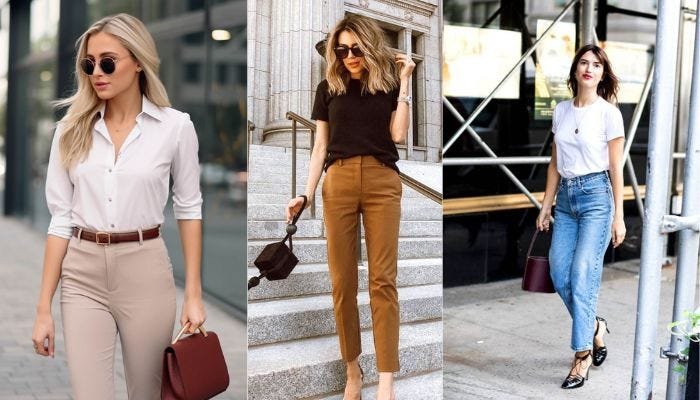
Streetwear pieces are frequently released in limited seasonal drops.
Brand Strategy: Casual vs Streetwear
Choosing between casual wear and streetwear also affects brand strategy.
| Strategy Element | Casual Wear | Streetwear |
|---|---|---|
| sales approach | evergreen products | limited releases |
| marketing channels | lifestyle marketing | influencer culture |
| inventory strategy | stable restocking | scarcity model |
Casual wear brands typically aim for long-term scalability, while streetwear brands often focus on cultural impact and hype.
Production Differences for Manufacturers
Manufacturing strategies also differ between these two categories.
| Production Factor | Casual Wear | Streetwear |
|---|---|---|
| order volume | consistent production | smaller limited runs |
| design complexity | moderate | often higher |
| production schedule | predictable | seasonal drops |
Manufacturers such as Bless Clothing often support brands producing casual wear because the production cycles are more stable and scalable.
Which Direction Should New Brands Choose?
For many startup brands, choosing the right direction depends on resources and goals.
Choose Casual Wear If
- you want consistent product sales
- you prefer scalable production
- you want broader market appeal
Choose Streetwear If
- your brand is built around culture or community
- you want limited drops and exclusivity
- your designs rely heavily on graphics and branding
Some brands even combine both strategies by launching casual basics alongside limited streetwear collections.
FAQ
Is streetwear the same as casual wear?
No. Streetwear is culture-driven fashion, while casual wear focuses on everyday comfort and versatility.
Which category is easier for new brands?
Casual wear is generally easier to scale because products have longer sales cycles.
Can brands combine casual wear and streetwear?
Yes. Many modern brands blend both styles.
Which products sell best in casual fashion?
Items like T-shirts, hoodies, sweatshirts, and joggers are among the most popular.
Final Thoughts
Casual wear and streetwear represent two different approaches to fashion branding.
Casual wear focuses on:
- comfort
- versatility
- scalable product lines
Streetwear emphasizes:
- cultural influence
- limited releases
- bold design identity
Understanding these differences helps brands make smarter product and marketing decisions.
If you're planning to launch a casual clothing line or develop apparel collections, you can explore manufacturing solutions at Bless Clothing.
Working with experienced manufacturers helps brands transform their ideas into high-quality garments ready for the global fashion market.