
Casual fashion is no longer just a category—it’s now the core driver of the global apparel market. But what’s changing even faster than demand is how trends evolve and how brands respond to them.
From my experience working with clothing brands and manufacturers, the brands that grow fastest are not the ones with the most products—but the ones that understand trends early and adapt quickly.
In this guide, I’ll break down the most important casual fashion market trends, explain what they mean for clothing brands, and show you how to apply them in real product development and manufacturing.
Table of Contents
- Quick Answer
- Why Casual Fashion Trends Matter for Brands
- Trend #1: Comfort-Driven Design
- Trend #2: Athleisure and Hybrid Clothing
- Trend #3: Minimalist and Essential Pieces
- Trend #4: Sustainability and Eco Materials
- Trend #5: Fast Product Cycles
- Trend #6: Gender-Neutral Fashion
- Trend #7: Direct-to-Consumer Growth
- How Brands Should Respond to These Trends
- FAQ
- Final Thoughts
Quick Answer
The most important casual fashion trends include:
| Trend | Impact |
|---|---|
| comfort-focused design | increases everyday wear demand |
| athleisure growth | blends sportswear with casualwear |
| minimalist fashion | drives demand for basics |
| sustainability | influences material choices |
| fast production cycles | requires flexible manufacturing |
Many brands are adapting these trends by working with manufacturers like Bless Clothing to produce scalable casual collections.
Why Casual Fashion Trends Matter for Brands
Understanding trends is essential because it directly affects:
- product development
- inventory planning
- marketing strategy
- manufacturing decisions
Brands that follow trends too late often face:
- unsold inventory
- outdated collections
- reduced competitiveness
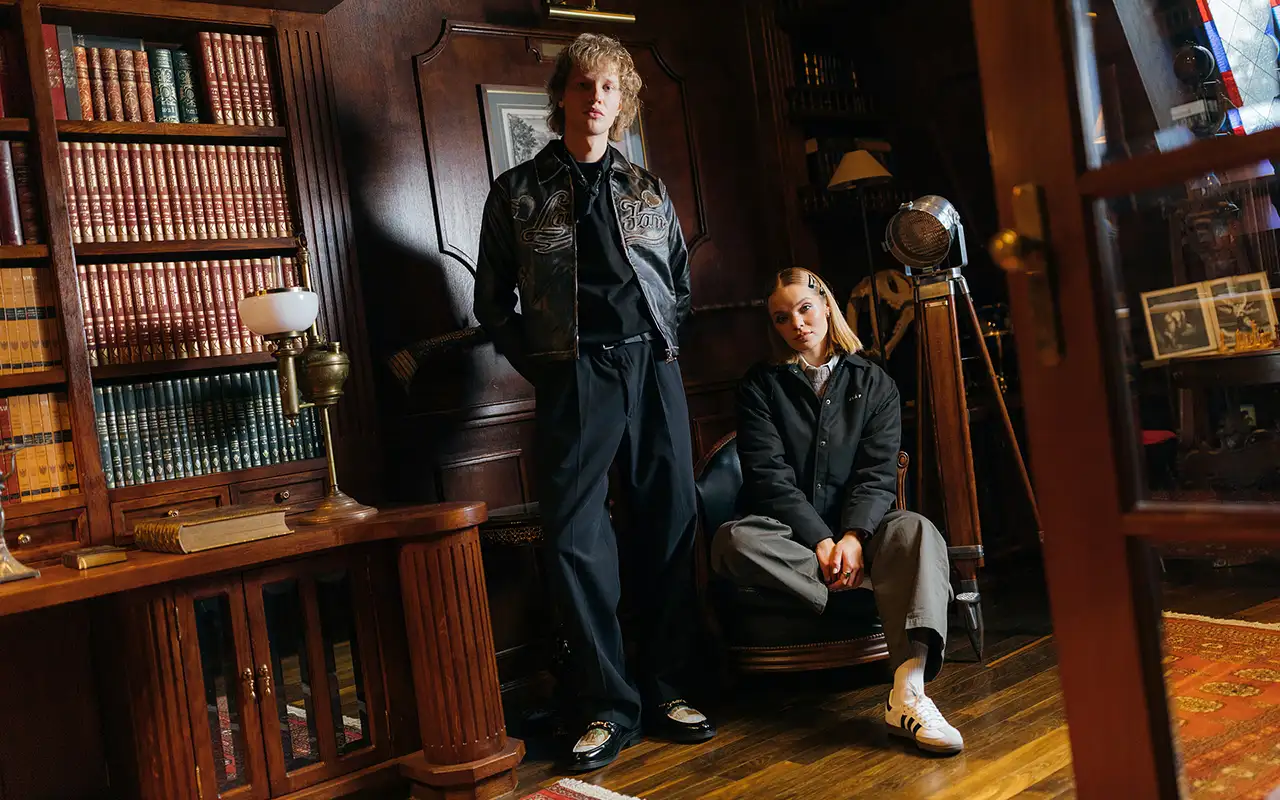
Staying ahead allows brands to build relevant and high-demand products.
Trend #1: Comfort-Driven Design
Comfort has become the number one priority in clothing.
Consumers now prefer:
- soft fabrics
- relaxed fits
- lightweight construction
This trend is driven by lifestyle changes such as:
- remote work
- flexible schedules
- travel-friendly clothing
Casualwear brands that prioritize comfort tend to see higher customer retention.
Trend #2: Athleisure and Hybrid Clothing
Athleisure continues to dominate casual fashion.
This trend blends:
| Element | Description |
|---|---|
| sportswear functionality | stretch, breathability |
| casual style | everyday wearability |
Products like:
- joggers
- performance T-shirts
- hybrid hoodies
are now worn beyond gyms and into daily life.
Insights from McKinsey & Company highlight how athleisure continues to reshape consumer behavior.
Trend #3: Minimalist and Essential Pieces
Minimalism is driving demand for simple, high-quality basics.
Popular minimalist products include:
- plain T-shirts
- neutral hoodies
- clean-cut sweatpants
Key characteristics:
| Feature | Benefit |
|---|---|
| neutral colors | easy to style |
| simple design | timeless appeal |
| consistent fit | reliable sizing |
This trend supports long-term product sales instead of short-term hype.
Trend #4: Sustainability and Eco Materials
Sustainability is becoming a major decision factor for consumers.
Brands are now focusing on:
- organic cotton
- recycled fabrics
- ethical production
Organizations like Textile Exchange provide standards for sustainable materials in the apparel industry.
Sustainable products can help brands:
- build trust
- differentiate in the market
- meet consumer expectations
Trend #5: Fast Product Cycles
Fashion cycles are becoming shorter.
Brands now need to:
| Requirement | Reason |
|---|---|
| launch products quickly | respond to trends |
| test small batches | reduce risk |
| restock fast | meet demand |
Flexible manufacturing and low MOQ production are becoming essential.
Trend #6: Gender-Neutral Fashion
Gender-neutral clothing is growing rapidly.
This trend focuses on:
- inclusive sizing
- unisex designs
- versatile silhouettes
Common products include:
- oversized T-shirts
- hoodies
- relaxed pants
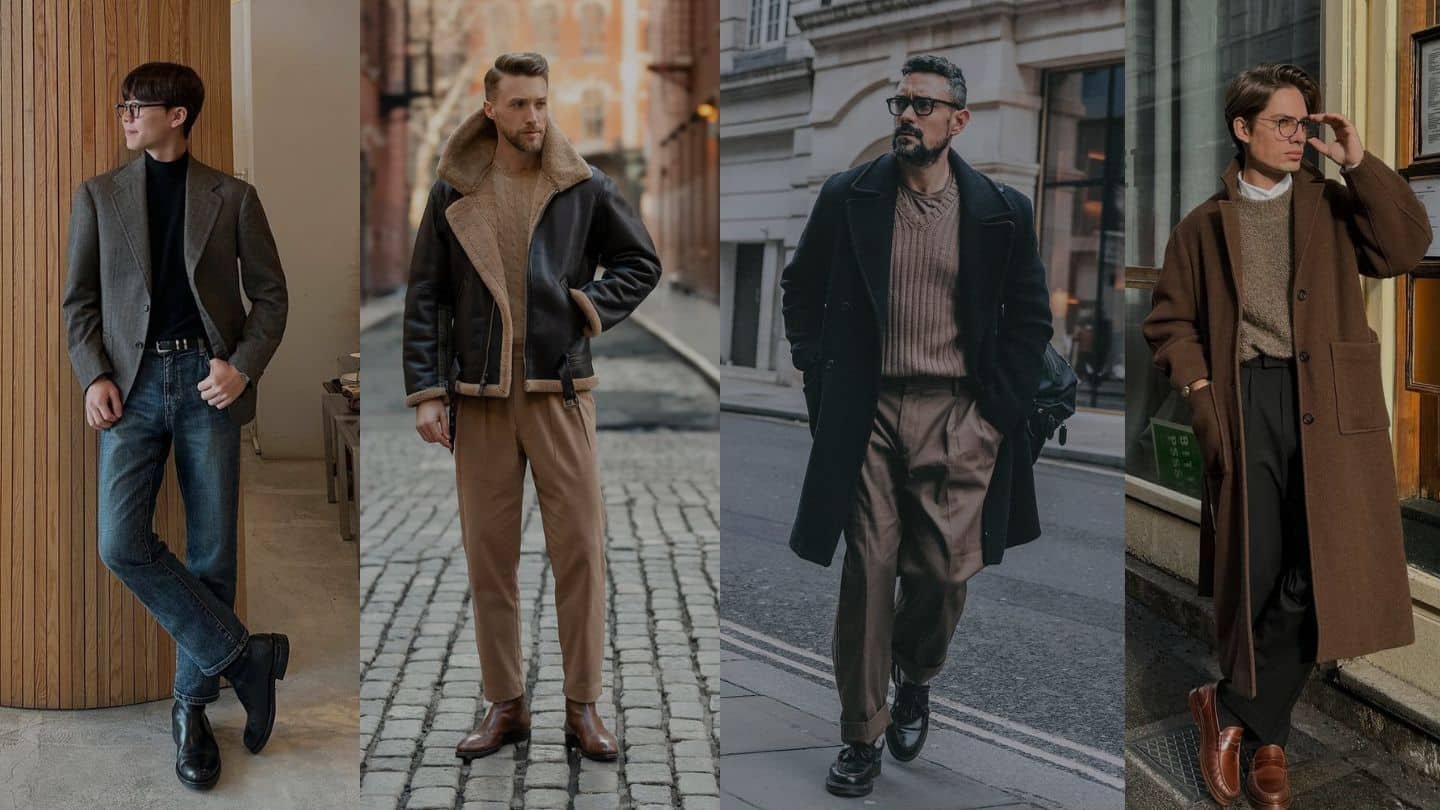
This approach expands the target market and simplifies product lines.
Trend #7: Direct-to-Consumer Growth
DTC brands are changing how casual fashion is sold.
Benefits of DTC include:
| Advantage | Explanation |
|---|---|
| direct customer access | better insights |
| higher margins | no middlemen |
| faster feedback | quicker adjustments |
E-commerce platforms make it easier than ever to launch and scale a clothing brand.
How Brands Should Respond to These Trends
To stay competitive, brands should take action.
Focus on Core Products
Develop strong basics such as:
- T-shirts
- hoodies
- joggers
Build Flexible Supply Chains
Work with manufacturers that offer:
- low MOQ production
- fast turnaround
- scalable capacity
Prioritize Fabric and Fit
Consumers value:
- comfort
- durability
- consistent sizing
Partnering with experienced manufacturers like Bless Clothing can help brands adapt to these evolving trends.
FAQ
What is the biggest trend in casual fashion?
Comfort-driven design is currently the most important trend.
Is casual fashion still growing?
Yes. Casualwear continues to dominate global apparel markets.
What products are trending in casualwear?
T-shirts, hoodies, sweatpants, and joggers are among the most popular.
How can brands keep up with trends?
By monitoring market changes and working with flexible manufacturing partners.
Final Thoughts
Casual fashion trends are evolving quickly, but the core direction is clear:
- comfort
- versatility
- speed
- sustainability
Brands that understand these trends can:
- create relevant products
- scale faster
- stay competitive
If you're planning to develop or expand your casual clothing line, explore production solutions at Bless Clothing.
Adapting to market trends with the right manufacturing strategy will position your brand for long-term success.