
Choosing the right fabric is one of the most important decisions when building a casual clothing brand. In many cases, fabric selection has a bigger impact on product success than design itself.
From my experience working with apparel brands and manufacturers, most early-stage mistakes come from choosing the wrong fabric for the product, season, or target market.
The right fabric improves:
- comfort
- durability
- perceived value
- customer satisfaction
In this guide, I’ll break down how to choose fabrics for a casual clothing brand, with practical advice you can actually apply during product development.
Table of Contents
- Quick Answer
- Why Fabric Selection Matters
- Key Factors to Consider When Choosing Fabric
- Common Fabrics for Casual Clothing
- Fabric Comparison Table
- Matching Fabric to Product Type
- Seasonal Fabric Selection Guide
- Common Fabric Mistakes to Avoid
- How Manufacturers Help with Fabric Selection
- FAQ
- Final Thoughts
Quick Answer
To choose the right fabric for a casual clothing brand, focus on:
| Factor | Why It Matters |
|---|---|
| comfort | affects customer experience |
| durability | impacts product lifespan |
| weight | determines seasonality |
| stretch | improves fit and movement |
Most brands work with experienced manufacturers like Bless Clothing to source and test fabrics before production.
Why Fabric Selection Matters
Fabric is the foundation of every garment.
It directly influences:
- how the product feels
- how it fits
- how long it lasts
- how customers perceive your brand
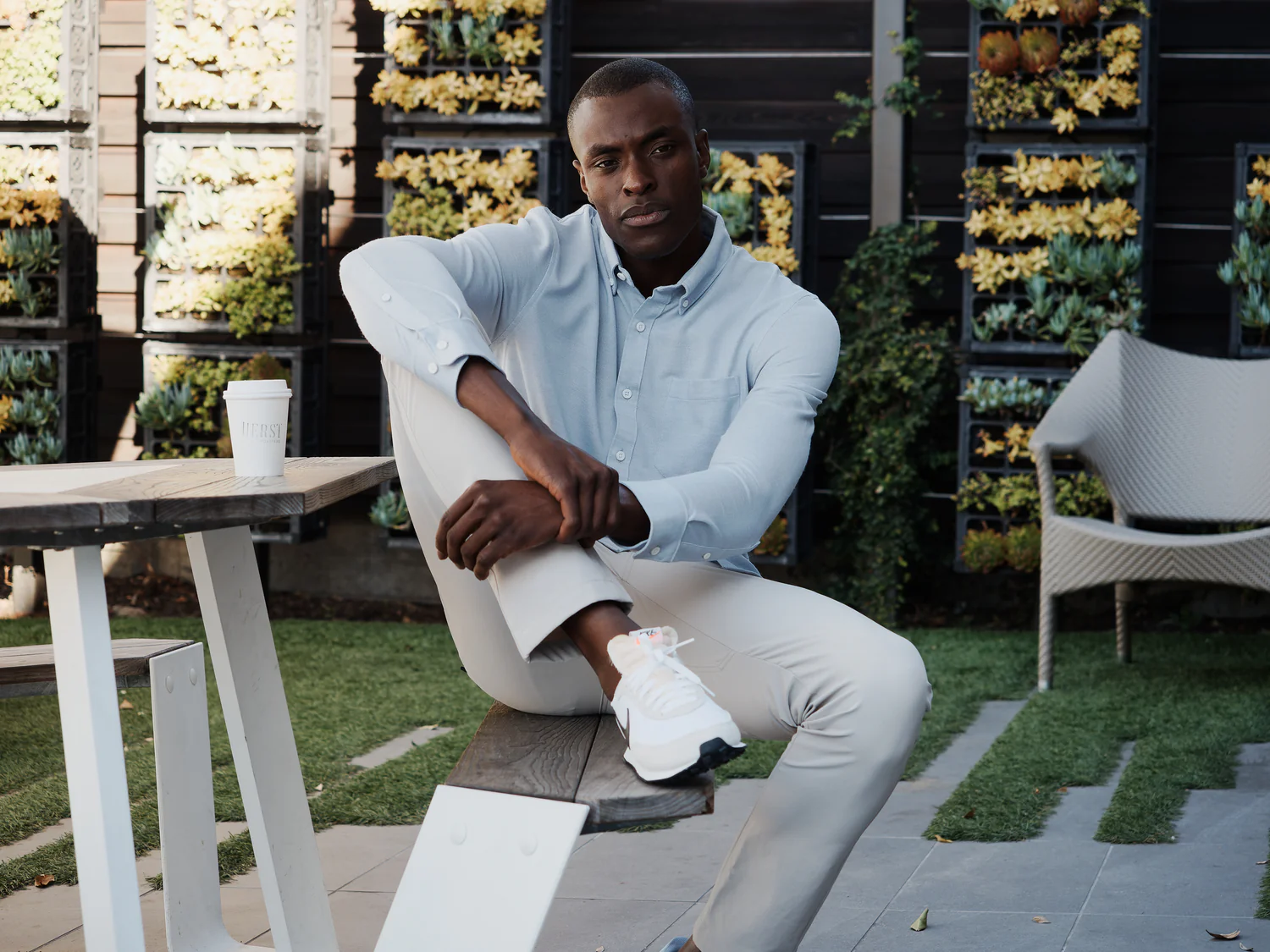
Even a well-designed product can fail if the fabric is uncomfortable or low quality.
Key Factors to Consider When Choosing Fabric
Before selecting a fabric, brands should evaluate several core factors.
Comfort
Comfort is the top priority in casualwear.
Look for:
- soft texture
- breathable materials
- skin-friendly fibers
Durability
Casual clothing is worn frequently, so durability is essential.
Key indicators include:
- fabric strength
- resistance to wear
- shape retention
Fabric Weight
Weight affects both comfort and seasonality.
| Weight Type | Use Case |
|---|---|
| lightweight | summer clothing |
| medium weight | year-round wear |
| heavyweight | winter garments |
Stretch and Flexibility
Stretch improves movement and comfort.
Common stretch fabrics include:
- cotton-spandex blends
- performance fabrics
Common Fabrics for Casual Clothing
Here are the most widely used fabrics in casual apparel.
Cotton
Cotton is the most popular fabric for casualwear.
Benefits include:
- breathable
- soft
- versatile
French Terry
French terry is commonly used for hoodies and sweatshirts.
Advantages:
- lightweight
- comfortable
- moisture-absorbing
Fleece
Fleece is thicker and warmer than terry.
Best for:
- winter apparel
- sweatpants
- hoodies
Blended Fabrics
Blends combine natural and synthetic fibers.
Benefits include:
- improved durability
- reduced shrinkage
- better stretch
Resources from Textile Exchange provide guidance on fiber selection and sustainability.
Fabric Comparison Table
| Fabric | Comfort | Durability | Best Use |
|---|---|---|---|
| cotton | high | medium | T-shirts, basics |
| french terry | high | medium | hoodies, sweatshirts |
| fleece | very high | high | winter wear |
| blends | medium-high | high | active and casual wear |
Matching Fabric to Product Type
Different products require different fabrics.
| Product | Recommended Fabric |
|---|---|
| T-shirts | cotton or cotton blends |
| hoodies | fleece or french terry |
| sweatpants | fleece or blends |
| casual shirts | cotton or linen |
Choosing the right combination ensures better product performance.
Seasonal Fabric Selection Guide
Seasonality plays a major role in fabric selection.
| Season | Fabric Recommendation |
|---|---|
| summer | lightweight cotton, linen |
| spring/fall | medium-weight blends |
| winter | fleece, heavyweight cotton |
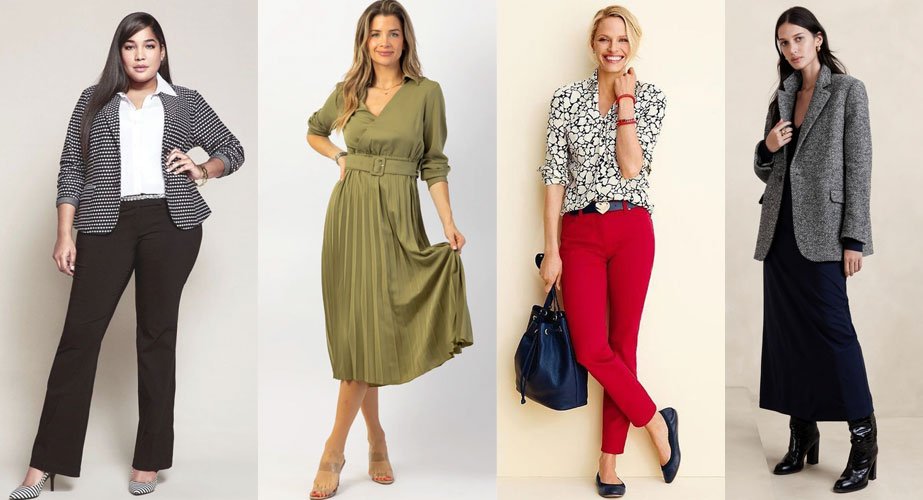
Selecting seasonal fabrics helps improve product relevance and sales.
Common Fabric Mistakes to Avoid
Many new brands make similar mistakes.
Choosing Based on Price Only
Low-cost fabrics can reduce product quality and damage brand reputation.
Ignoring Fabric Testing
Skipping testing can lead to issues like shrinkage or poor durability.
Mismatching Fabric and Product
Using heavy fabric for summer clothing or lightweight fabric for winter products can reduce usability.
How Manufacturers Help with Fabric Selection
Experienced manufacturers play an important role in fabric selection.
They can help brands:
- source reliable materials
- test fabric performance
- recommend suitable options
- optimize production costs
Working with partners like Bless Clothing allows brands to make better fabric decisions and reduce production risks.
FAQ
What is the best fabric for casual clothing?
Cotton and cotton blends are the most commonly used due to comfort and versatility.
How do I choose fabric weight?
Choose lightweight fabrics for summer and heavier fabrics for colder seasons.
Are blended fabrics better than cotton?
Blends offer better durability and stretch, but cotton provides superior comfort.
Should I test fabrics before production?
Yes. Fabric testing is essential to ensure quality and performance.
Final Thoughts
Fabric selection is one of the most critical steps in building a successful casual clothing brand.
To make the right choices, focus on:
- comfort and usability
- durability and quality
- product and season alignment
- reliable sourcing
If you're planning to develop your clothing line, you can explore fabric sourcing and manufacturing solutions at Bless Clothing.
Choosing the right fabric will not only improve your product—but also strengthen your brand in the long term.