
Casual clothing didn’t start as a dominant fashion category. It was originally seen as informal, secondary clothing for weekends or leisure.
But today, casualwear has become the largest and most influential segment in the global apparel industry.
From my experience working with clothing brands and manufacturers, this shift didn’t happen overnight. It’s the result of lifestyle changes, cultural evolution, and major shifts in how people consume fashion.
In this guide, I’ll explain how casual clothing became a global fashion category, what key moments drove its growth, and what brands should learn from this transformation.
Table of Contents
- Quick Answer
- What Casual Clothing Originally Meant
- The Shift from Formal to Casual Fashion
- Key Drivers Behind Global Growth
- The Role of Streetwear and Culture
- How Technology and E-Commerce Accelerated Growth
- Casual Clothing vs Traditional Fashion
- Why Casualwear Dominates Today
- What This Means for Clothing Brands
- FAQ
- Final Thoughts
Quick Answer
Casual clothing became a global fashion category due to:
| Factor | Impact |
|---|---|
| lifestyle changes | increased demand for comfort |
| workplace evolution | relaxed dress codes |
| streetwear influence | cultural relevance |
| e-commerce growth | global accessibility |
Today, casualwear dominates because it aligns with how people live and dress daily.
Many brands now work with manufacturers like Bless Clothing to develop casual collections that meet global demand.
What Casual Clothing Originally Meant
Historically, casual clothing was limited to:
- weekend wear
- sports or leisure activities
- informal environments
It was often seen as less important compared to:
- formalwear
- business attire
- tailored clothing

Casual clothing had limited influence on mainstream fashion.
The Shift from Formal to Casual Fashion
Over time, fashion norms began to change.
Key transitions included:
| Period | Change |
|---|---|
| 1990s | relaxed office dress codes |
| 2000s | rise of casual Fridays |
| 2010s | growth of startup culture |
| 2020s | remote work expansion |
These changes reduced the need for formal clothing and increased demand for casualwear.
Key Drivers Behind Global Growth
Several major factors contributed to the global rise of casual fashion.
Lifestyle Changes
Modern consumers prioritize:
- comfort
- flexibility
- practicality
Changing Work Culture
The shift toward remote and hybrid work made casual clothing more acceptable.
Consumer Preferences
People now prefer clothing that can be worn across multiple situations.
Globalization
Fashion trends now spread quickly across regions.
Reports from McKinsey & Company highlight how these shifts have transformed global apparel consumption.
The Role of Streetwear and Culture
Streetwear played a significant role in elevating casual clothing.
It introduced:
- bold design elements
- cultural storytelling
- community-driven fashion
Streetwear helped transform casualwear from functional clothing into a fashion statement.
How Technology and E-Commerce Accelerated Growth
Technology has made casual fashion more accessible.
E-commerce allows brands to:
| Advantage | Impact |
|---|---|
| global reach | sell internationally |
| fast launches | respond to trends quickly |
| direct-to-consumer | build stronger brand identity |
Online platforms have made casual clothing easier to discover and purchase.
Casual Clothing vs Traditional Fashion
Casualwear differs significantly from traditional fashion categories.
| Feature | Casual Clothing | Traditional Fashion |
|---|---|---|
| comfort | high | moderate |
| versatility | high | limited |
| usage | everyday wear | occasion-based |
| production focus | scalability | design complexity |
This versatility is one reason casual clothing has become dominant.
Why Casualwear Dominates Today
Casual clothing now dominates because it meets modern consumer needs.
Key reasons include:
- adaptability to different environments
- consistent demand across seasons
- strong alignment with lifestyle trends
Casualwear products like:
- T-shirts
- hoodies
- sweatpants
- casual shirts
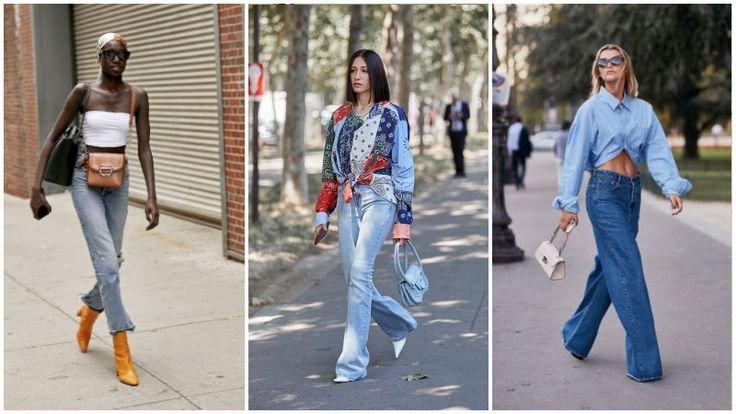
are now essential wardrobe items worldwide.
What This Means for Clothing Brands
For clothing brands, this shift creates major opportunities.
Brands should focus on:
Core Product Development
Build strong basics such as:
- T-shirts
- hoodies
- joggers
Scalable Manufacturing
Work with manufacturers that support:
- low MOQ production
- fast turnaround
- consistent quality
Market Positioning
Focus on:
- comfort
- functionality
- versatility
Partnering with experienced manufacturers like Bless Clothing helps brands adapt to global casualwear demand.
FAQ
Why is casual clothing so popular today?
Because it offers comfort, versatility, and fits modern lifestyles.
When did casual fashion become mainstream?
It gradually became mainstream from the 2000s and accelerated in the 2020s.
Is casualwear replacing formalwear?
Casualwear has become dominant, but formalwear still exists for specific occasions.
What products define casual fashion?
T-shirts, hoodies, sweatpants, and casual shirts are key products.
Final Thoughts
Casual clothing has evolved from a secondary category into the center of global fashion.
This transformation was driven by:
- lifestyle changes
- cultural influence
- technology
- consumer preferences
For brands, understanding this evolution is critical.
If you're planning to develop or expand a casual clothing line, explore manufacturing solutions at Bless Clothing.
Aligning your brand with the casualwear movement can position you for long-term growth in the global apparel market.