
Outerwear is one of the most profitable and technically demanding categories in casual fashion. From hooded jackets to lightweight windbreakers, brands rely on experienced manufacturers to balance design, function, and scalability.
From my experience working with private label brands, outerwear is where many brands either stand out or fail. It requires more than just good design—you need the right fabrics, construction techniques, and production partner.
In this guide, I’ll explain how casual outerwear manufacturing works, what to look for in a supplier, and how private label brands can build successful outerwear collections.
Table of Contents
- Quick Answer
- What Is a Casual Outerwear Manufacturer?
- Types of Casual Outerwear Products
- Key Materials Used in Outerwear
- Outerwear Manufacturing Process
- Private Label vs Custom Outerwear
- Manufacturer Comparison Checklist
- How to Choose the Right Manufacturer
- Common Production Mistakes
- FAQ
- Final Thoughts
Quick Answer
A casual outerwear manufacturer helps brands produce items like:
- jackets
- windbreakers
- hooded outerwear
- lightweight coats
For private label brands, the right manufacturer provides:
| Capability | Why It Matters |
|---|---|
| fabric sourcing | performance & durability |
| pattern development | proper fit |
| technical construction | weather resistance |
| scalable production | business growth |
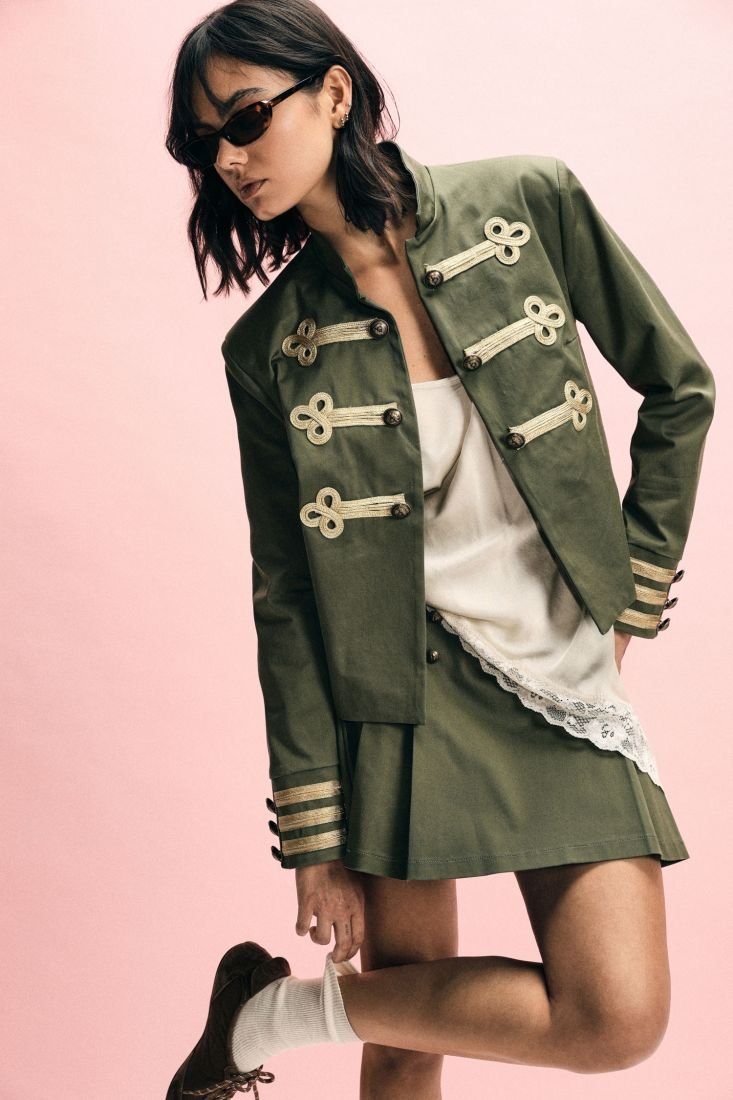
Many brands partner with Bless Clothing to develop private label outerwear with consistent quality and flexible MOQs.
What Is a Casual Outerwear Manufacturer?
A casual outerwear manufacturer specializes in producing functional and fashion-driven outerwear garments.
Unlike basic apparel factories, they focus on:
- multi-layer garment construction
- technical fabrics
- durability testing
- weather-related performance
Outerwear production requires more expertise than standard T-shirts or hoodies.
Types of Casual Outerwear Products
Private label brands typically develop the following outerwear categories:
| Category | Description |
|---|---|
| lightweight jackets | everyday casual use |
| windbreakers | breathable & wind-resistant |
| padded jackets | insulation for colder weather |
| zip-up hoodies | hybrid outerwear |
| coach jackets | streetwear-inspired |
Each category has different requirements in terms of fabric and construction.
Key Materials Used in Outerwear
Material selection is critical in outerwear manufacturing.
Common Fabrics
- polyester (water-resistant)
- nylon (lightweight & durable)
- cotton blends (comfort-focused)
Functional Additions
- waterproof coatings
- windproof membranes
- breathable linings
For fabric insights, brands can explore resources like WGSN to understand material trends.
Outerwear Manufacturing Process
Outerwear production involves more steps than basic garments.
Step 1: Design & Tech Pack
Define:
- silhouette
- fabric
- trims
Step 2: Sampling
Factories create prototypes to test:
- fit
- functionality
- construction
Step 3: Material Sourcing
Manufacturers source:
- shell fabric
- lining
- zippers & trims
Step 4: Bulk Production
Includes:
- cutting
- stitching
- assembly
Step 5: Quality Control
Outerwear QC focuses on:
- seam strength
- zipper functionality
- water resistance
Manufacturers like Bless Clothing often provide full-process support from sampling to bulk production.
Private Label vs Custom Outerwear
Understanding this difference helps brands choose the right strategy.
| Model | Description | Best For |
|---|---|---|
| private label | pre-developed styles with branding | fast launch |
| custom manufacturing | fully original designs | unique positioning |
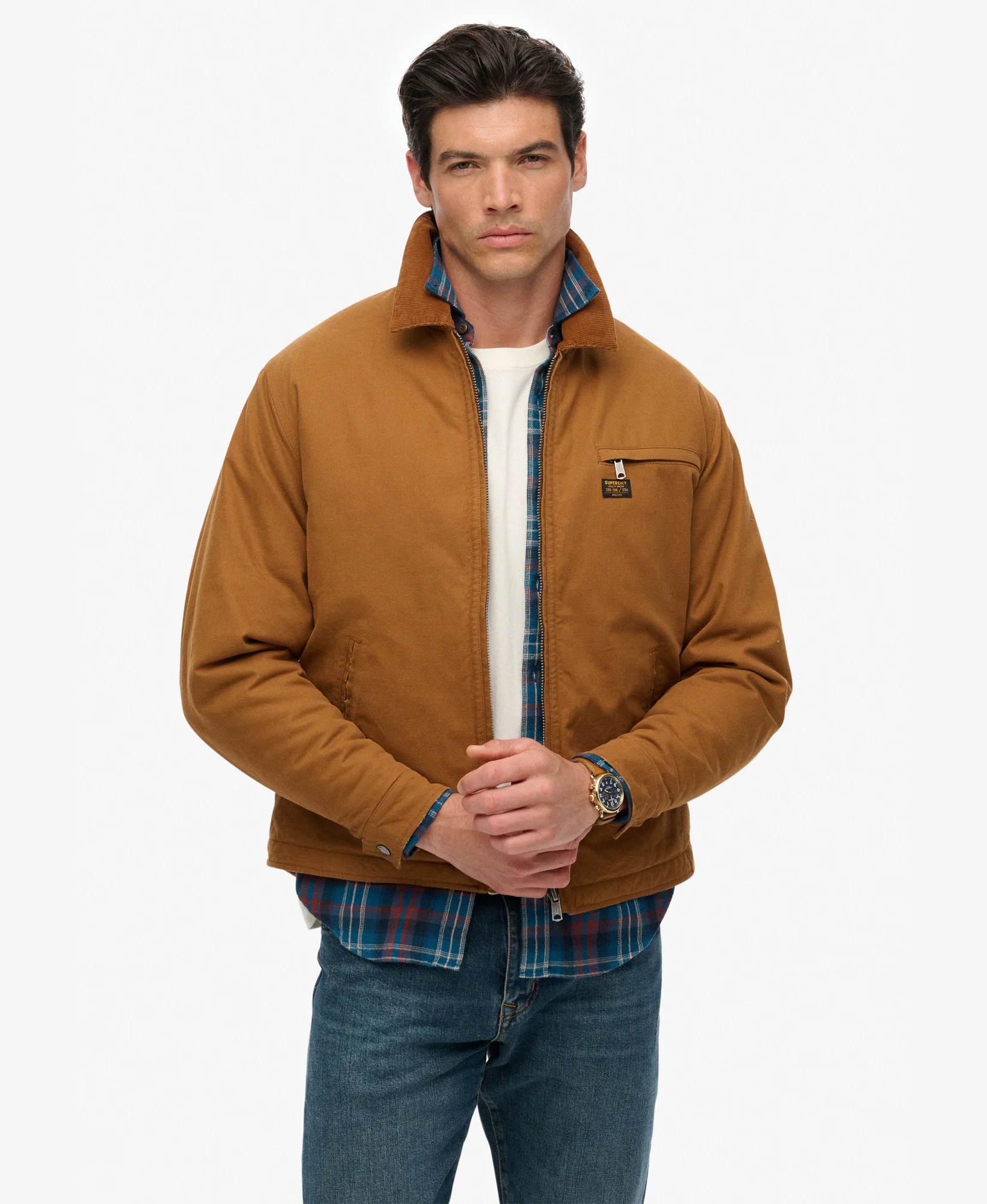
Private label is ideal for:
- startups
- fast product launches
- lower risk testing
Manufacturer Comparison Checklist
When evaluating suppliers, use this checklist:
| Factor | What to Check |
|---|---|
| experience | outerwear production history |
| MOQ | suitable for your brand stage |
| sampling quality | accuracy & speed |
| communication | responsiveness |
| QC system | consistency in bulk orders |
This checklist helps avoid costly production mistakes.
How to Choose the Right Manufacturer
From my experience, brands should focus on these priorities:
1. Technical Capability
Outerwear requires factories that understand:
- layering
- functional fabrics
- construction complexity
2. Fabric Access
Factories with strong fabric sourcing can improve:
- product quality
- cost efficiency
3. Production Flexibility
Look for:
- low MOQ options
- scalable capacity
4. Communication
Clear communication reduces:
- sampling errors
- production delays
Working with experienced partners like Bless Clothing helps brands avoid these common issues.
Common Production Mistakes
Many brands struggle with outerwear production due to these mistakes.
Mistake 1: Choosing the Wrong Fabric
Incorrect fabric can lead to:
- poor performance
- customer dissatisfaction
Mistake 2: Ignoring Construction Details
Outerwear requires precise stitching and assembly.
Mistake 3: Rushing Sampling
Skipping proper sampling leads to bulk production problems.
Mistake 4: Underestimating Costs
Outerwear is more expensive than basic garments due to complexity.
FAQ
What is a private label outerwear manufacturer?
It’s a factory that produces outerwear products that brands can customize with their own logo and branding.
What is the MOQ for outerwear production?
It varies by factory, but many offer flexible MOQs for startups.
Is outerwear harder to manufacture than T-shirts?
Yes, due to multi-layer construction and technical requirements.
How long does outerwear production take?
Typically longer than basic apparel due to complexity and material sourcing.
Final Thoughts
Casual outerwear is a high-value category that offers strong branding opportunities—but it requires the right manufacturing partner.
To succeed, brands should focus on:
- material quality
- technical construction
- reliable suppliers
If you're planning to develop private label outerwear, explore production solutions at Bless Clothing.
Choosing the right manufacturer can make the difference between a product that sells—and one that fails.