
Comfort is no longer just a feature—it’s now one of the main drivers of global fashion trends. From oversized hoodies to soft-touch fabrics, consumers are prioritizing how clothing feels just as much as how it looks.
From my experience working with apparel brands, the shift toward comfort has completely changed how products are designed, sourced, and manufactured. Brands that understand this trend are seeing higher customer retention, better product reviews, and more repeat purchases.
In this guide, I’ll break down why comfort-focused clothing is dominating fashion—and how brands can adapt to this shift.
Table of Contents
- Quick Answer
- What Is Comfort-Focused Clothing?
- Why Comfort Is Driving Fashion Trends
- Key Features of Comfort-Driven Apparel
- Comfort vs Traditional Fashion
- Popular Comfort-Focused Categories
- How Comfort Impacts Manufacturing
- How Brands Can Leverage This Trend
- Common Mistakes Brands Make
- FAQ
- Final Thoughts
Quick Answer
Comfort-focused clothing is driving fashion trends because it delivers:
| Benefit | Result |
|---|---|
| soft materials | better wear experience |
| relaxed fits | wider audience appeal |
| versatility | everyday usability |
| durability | long-term value |
Brands working with manufacturers like Bless Clothing are increasingly developing collections centered around comfort and functionality.
What Is Comfort-Focused Clothing?
Comfort-focused clothing refers to garments designed to maximize:
- softness
- flexibility
- breathability
- ease of movement
This includes products such as:
- oversized T-shirts
- hoodies
- sweatpants
- loungewear

Comfort is now considered a core design principle, not an optional feature.
Why Comfort Is Driving Fashion Trends
Several major shifts are pushing comfort to the center of fashion.
Lifestyle Changes
Consumers now prioritize:
- remote work
- casual environments
- multi-purpose outfits
Shift in Consumer Expectations
Modern buyers expect clothing to:
- look good
- feel good
- last longer
Influence of Athleisure
Athleisure has blurred the line between:
- activewear
- casualwear
Organizations like McKinsey & Company highlight how lifestyle shifts are reshaping fashion consumption patterns.
Rise of Minimalism
Comfort-focused fashion often overlaps with:
- minimalist design
- neutral color palettes
Key Features of Comfort-Driven Apparel
Comfort-focused clothing shares common characteristics.
| Feature | Purpose |
|---|---|
| soft fabrics | improved feel |
| stretch materials | flexibility |
| relaxed fit | ease of movement |
| lightweight construction | all-day wear |
These features directly impact how consumers experience a product.
Comfort vs Traditional Fashion
Understanding this shift helps brands position their products.
| Factor | Comfort-Focused | Traditional Fashion |
|---|---|---|
| priority | feel & function | appearance |
| fit | relaxed | structured |
| fabric | soft & stretch | rigid |
| usage | everyday wear | occasion-based |
Comfort-focused fashion is about real-life usability, not just aesthetics.
Popular Comfort-Focused Categories
Some product categories are leading this trend.
| Category | Example |
|---|---|
| loungewear | sweatpants, hoodies |
| essentials | basic T-shirts |
| hybrid wear | athleisure pieces |
| outerwear | soft-touch jackets |
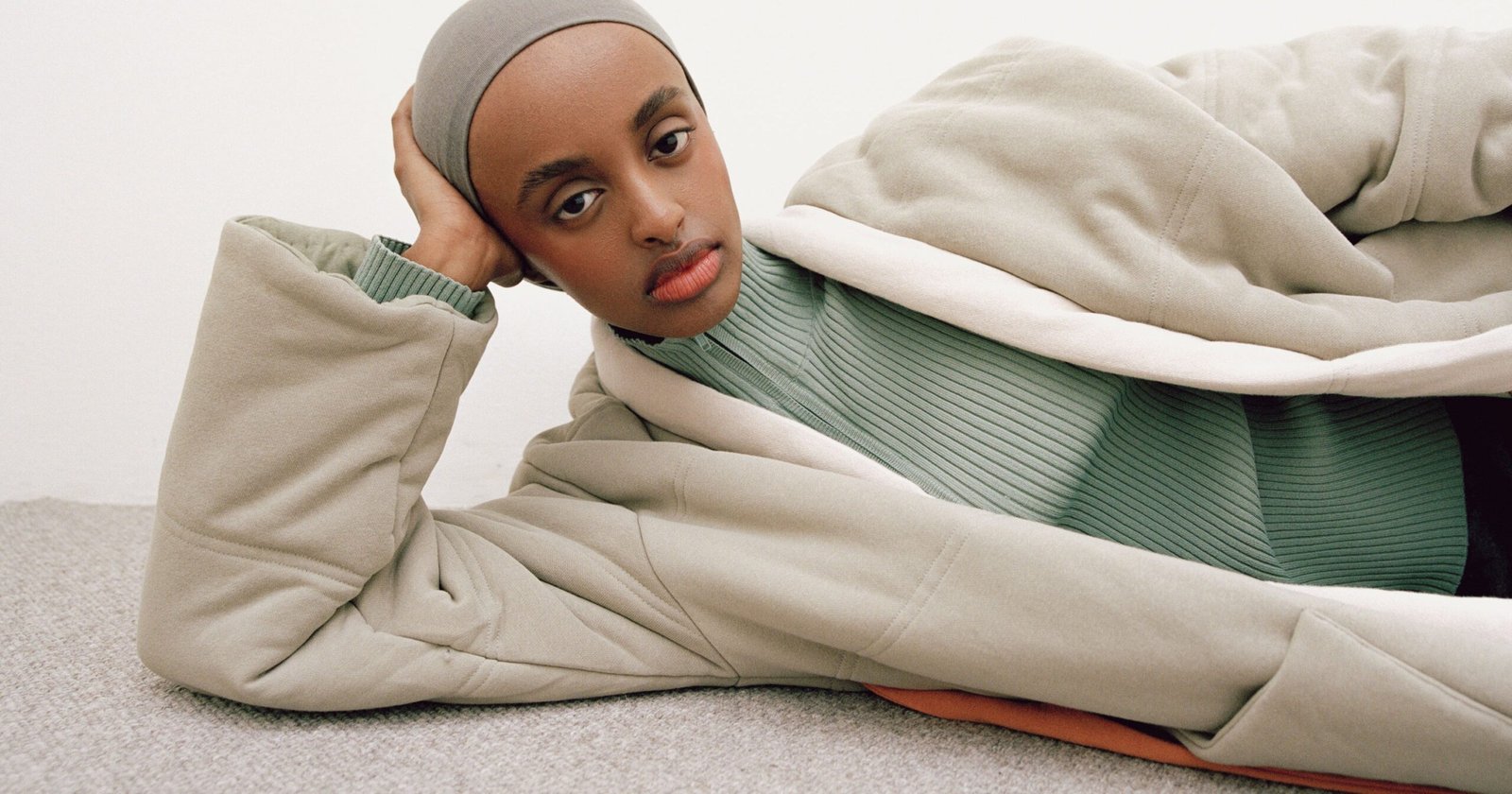
These categories are highly scalable for clothing brands.
How Comfort Impacts Manufacturing
This trend is changing how garments are produced.
Fabric Selection Becomes Critical
Manufacturers focus on:
- cotton blends
- fleece
- stretch fabrics
Fit Development Matters More
Relaxed fits still require:
- precise pattern making
- consistent sizing
Quality Control Focus
Comfort must be consistent across:
- bulk production
- different batches
Factories like Bless Clothing help brands maintain consistency in comfort-driven products.
How Brands Can Leverage This Trend
From my experience, brands that succeed in this space follow a clear strategy.
Step 1: Focus on Core Products
Start with:
- hoodies
- T-shirts
- sweatpants
Step 2: Invest in Fabric Quality
Comfort is driven by fabric, not just design.
Step 3: Simplify Design
Avoid overcomplicating products—comfort thrives on simplicity.
Step 4: Build Repeatable Styles
Create products that can:
- be restocked
- scale easily
Common Mistakes Brands Make
Many brands misunderstand the comfort trend.
Mistake 1: Prioritizing Cost Over Quality
Low-quality fabrics reduce comfort and brand trust.
Mistake 2: Ignoring Fit Consistency
Inconsistent sizing leads to returns.
Mistake 3: Overdesigning Products
Too many design elements can reduce comfort.
Mistake 4: Treating Comfort as a Trend
Comfort is not temporary—it’s a long-term shift.
FAQ
Why is comfort so important in fashion now?
Because consumer lifestyles have changed toward more casual and flexible environments.
What fabrics are best for comfort clothing?
Cotton, fleece, and stretch blends are commonly used.
Is comfort-focused fashion profitable?
Yes, due to high repeat purchase rates and broad audience appeal.
Can small brands compete in this space?
Yes, especially with strong product quality and clear positioning.
Final Thoughts
Comfort-focused clothing is not just a trend—it’s a fundamental shift in fashion.
Brands that adapt to this movement can benefit from:
- stronger customer loyalty
- consistent sales
- scalable product lines
If you're looking to develop comfort-driven collections, explore manufacturing solutions at Bless Clothing.
Focusing on comfort today is one of the most effective ways to build a successful casual clothing brand.