
Gucci is one of the most iconic luxury fashion brands in the world. But many people still ask:
Who actually owns Gucci today?
The answer is not as simple as a single person.
Gucci is owned by Kering, a global luxury group based in France.
From my experience analyzing fashion brands and supply chains, ownership plays a major role in how luxury brands grow, expand globally, and maintain their market position.
In this guide, I’ll explain who owns Gucci, how the ownership evolved, and why it matters in the luxury industry.
Table of Contents
- Quick Answer
- Who Owns Gucci Today?
- Who Founded Gucci?
- What Is Kering?
- Gucci Ownership Timeline
- Why Gucci Was Acquired
- Gucci vs Other Luxury Brand Ownership
- FAQ
- Conclusion
Quick Answer
Gucci is owned by Kering, a French luxury group.
| Brand | Owner | Acquisition Period |
|---|---|---|
| Gucci | Kering | Fully acquired by early 2000s |
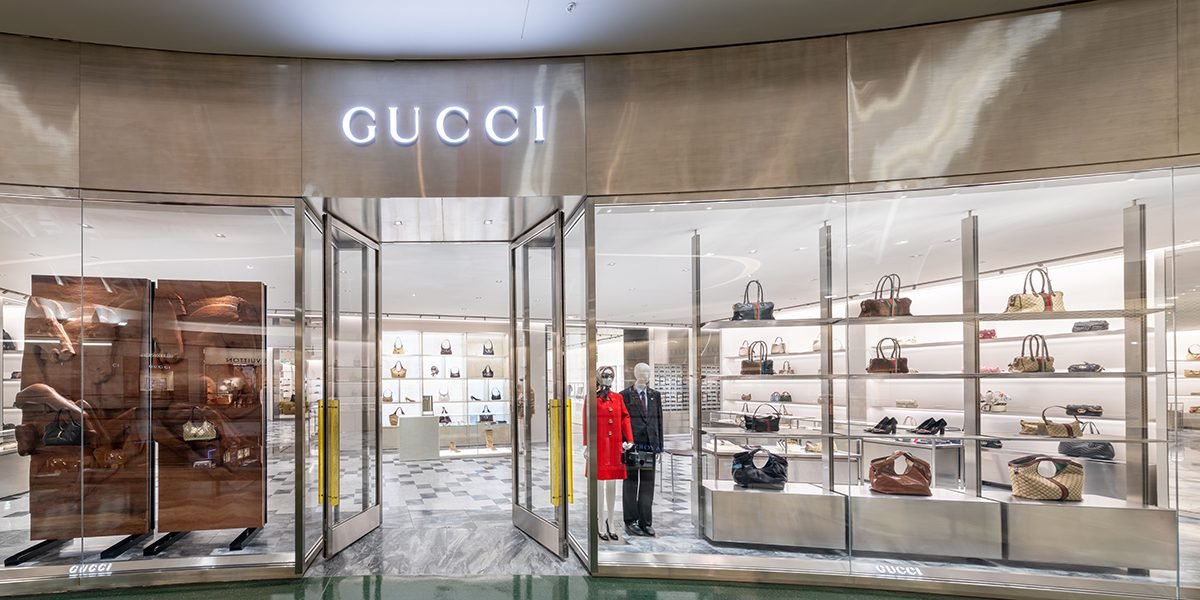
Kering is one of the largest luxury companies globally, competing with groups like LVMH.
Who Owns Gucci Today?
Today, Gucci operates as a subsidiary of Kering.
Kering owns several luxury brands, including:
- Gucci
- Saint Laurent
- Balenciaga
- Bottega Veneta
This means Gucci is part of a multi-brand luxury portfolio, rather than an independent company.
Who Founded Gucci?
Gucci was founded in 1921 by Guccio Gucci in Florence, Italy.
Founder Overview
| Name | Role |
|---|---|
| Guccio Gucci | Founder |
Originally, the brand specialized in leather goods and luggage, inspired by luxury travel culture.
Over time, Gucci became one of the most influential names in fashion.
What Is Kering?
Kering is the parent company that owns Gucci.
About Kering
| Category | Detail |
|---|---|
| Company Type | Luxury group |
| Headquarters | France |
| Industry | Luxury fashion |
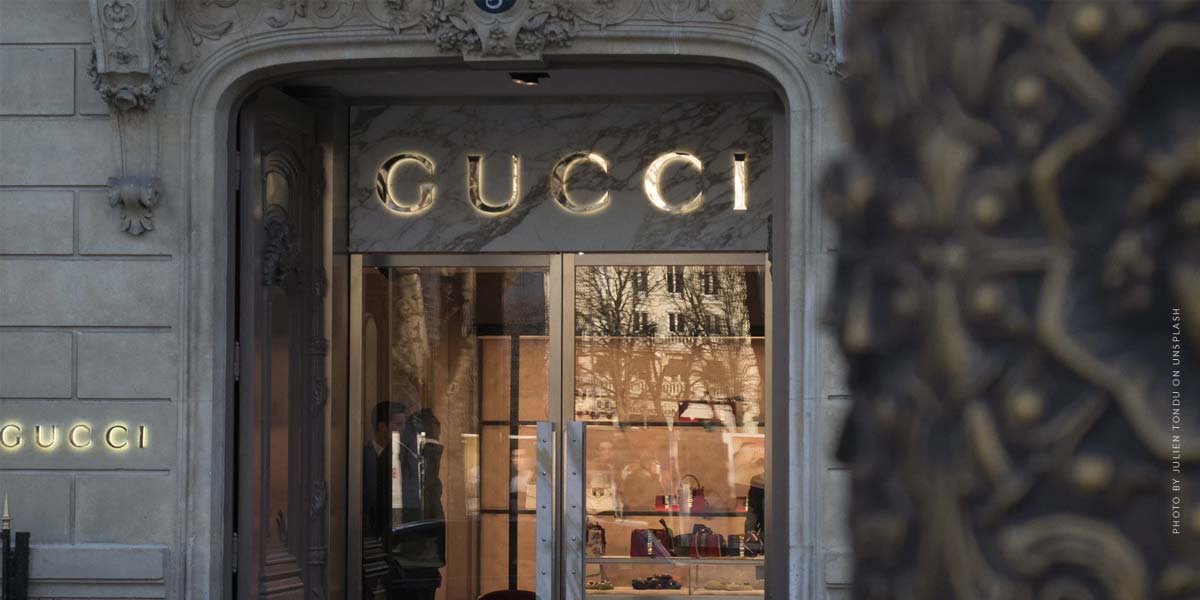
Kering focuses on building a portfolio of high-end fashion and lifestyle brands.
Gucci Ownership Timeline
Gucci’s ownership has changed over time.
Key Milestones
| Year | Event |
|---|---|
| 1921 | Gucci founded |
| 1990s | Ownership struggles and restructuring |
| 1999 | Kering (then PPR) begins acquisition |
| Early 2000s | Gucci fully integrated into Kering |
This transition helped stabilize the brand and prepare it for global expansion.
Why Gucci Was Acquired
Luxury brands often become part of larger groups for strategic reasons.
1. Global Expansion
Large groups provide access to global retail networks.
2. Financial Stability
Corporate ownership supports long-term growth and investment.
3. Brand Development
Luxury groups help brands scale while maintaining identity.
Gucci vs Other Luxury Brand Ownership
Understanding Gucci’s ownership is easier when compared to other brands.
| Brand | Owner |
|---|---|
| Gucci | Kering |
| Louis Vuitton | LVMH |
| Prada | Prada Group |
| Chanel | Privately owned |
Each ownership structure influences how brands operate.
From an industry perspective, luxury brands rely heavily on global supply chains, product development, and manufacturing systems to maintain quality and scale. If you're interested in how clothing brands develop collections and manage production, you can explore more insights at blessclothing.
FAQ
Who owns Gucci right now?
Gucci is owned by Kering, a French luxury group.
Is Gucci owned by LVMH?
No. Gucci is owned by Kering, which is a competitor to LVMH.
Who founded Gucci?
Gucci was founded by Guccio Gucci in 1921.
Why is Gucci part of Kering?
Kering acquired Gucci to expand its luxury portfolio and strengthen its global position.
Conclusion
Gucci is owned by Kering, one of the world’s leading luxury fashion groups.
While the brand started as a family business in Italy, it is now part of a global corporate structure that supports its growth and international presence.
Understanding Gucci’s ownership helps explain how modern luxury brands operate, scale, and compete globally.
If you're interested in how clothing brands build collections, manage manufacturing, and develop strong fashion businesses, you can explore more insights at blessclothing.