
If you’re researching luxury brands, you’ve probably come across this question:
Is Dior owned by LVMH?
The answer is yes—but the structure is a bit more complex than it seems.
Dior is part of the LVMH group, but its ownership involves multiple corporate layers.
From my experience analyzing fashion companies, luxury brands are often controlled through holding structures and strategic ownership, rather than simple one-to-one ownership.
In this guide, I’ll explain how Dior is connected to LVMH, what the ownership structure looks like, and why it matters in the luxury industry.
Table of Contents
- Quick Answer
- Is Dior Owned by LVMH?
- How Dior’s Ownership Structure Works
- What Is LVMH?
- Dior vs Other LVMH Brands
- Why Luxury Ownership Structures Are Complex
- What This Means for Dior
- FAQ
- Conclusion
Quick Answer
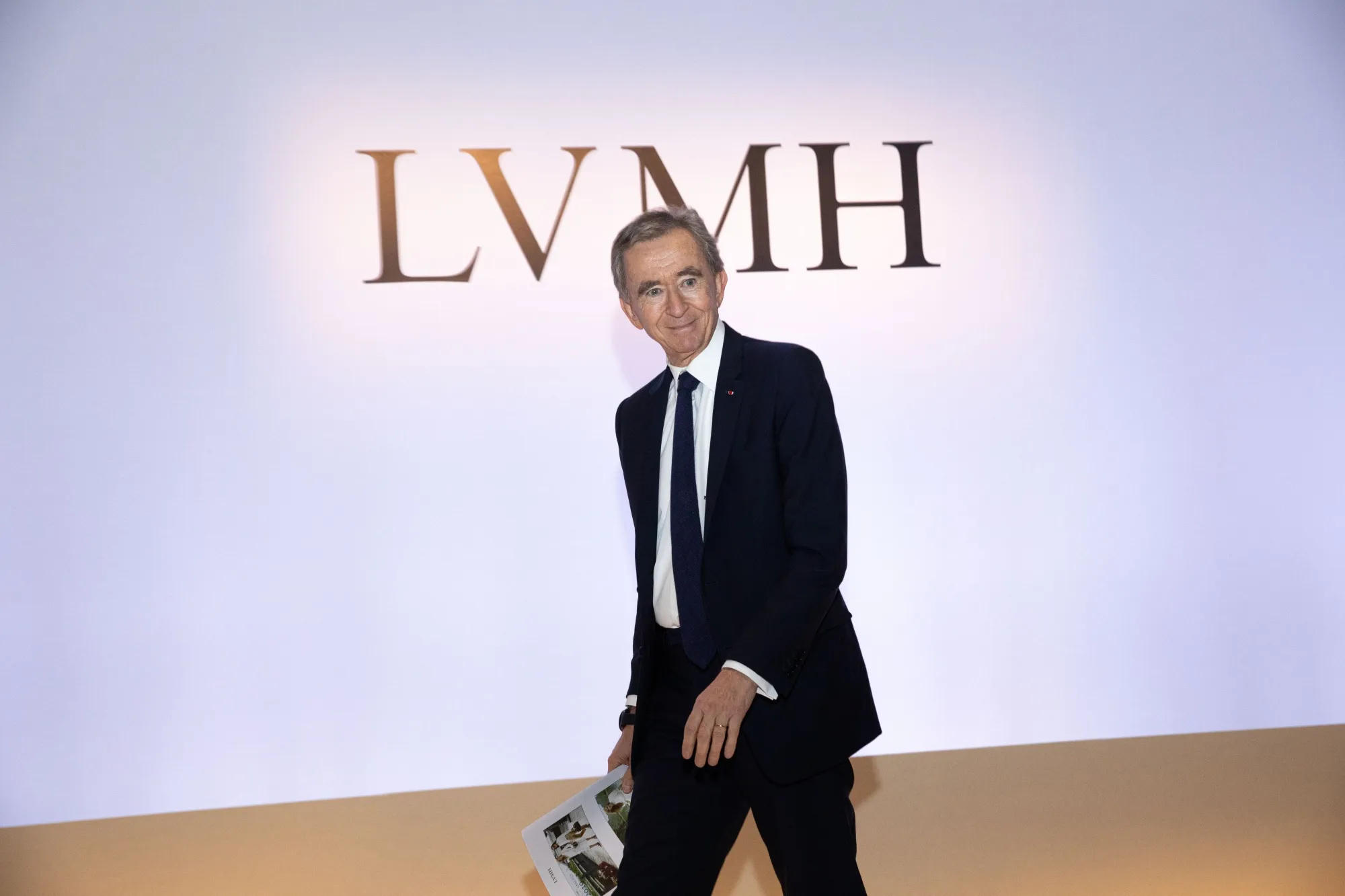
Yes, Dior is owned by LVMH (Moët Hennessy Louis Vuitton).
| Brand | Parent Group |
|---|---|
| Dior | LVMH |
However, the structure includes both Christian Dior SE and LVMH, which are closely linked.
Is Dior Owned by LVMH?
Yes—but here’s the simplified explanation:
- LVMH controls Dior’s fashion business (Christian Dior Couture)
- Christian Dior SE is a holding company tied to LVMH ownership
In practical terms:
👉 Dior operates under the LVMH luxury group ecosystem
How Dior’s Ownership Structure Works
Dior’s ownership is layered.
Simplified Structure
| Level | Entity |
|---|---|
| Holding Company | Christian Dior SE |
| Parent Group | LVMH |
| Brand | Dior |
This structure allows for:
- strategic control
- financial management
- brand independence
From an industry perspective, this is common among top luxury conglomerates.
What Is LVMH?
LVMH is the world’s largest luxury conglomerate.
Key Facts
| Category | Detail |
|---|---|
| Full Name | Moët Hennessy Louis Vuitton |
| Country | France |
| Industry | Luxury goods |
LVMH owns many major brands, including:
- Louis Vuitton
- Dior
- Fendi
- Givenchy
Dior vs Other LVMH Brands
Understanding Dior’s position is easier when compared with other brands.
| Brand | Role in LVMH |
|---|---|
| Dior | Core luxury fashion house |
| Louis Vuitton | Flagship brand |
| Fendi | High-end fashion |
| Givenchy | Designer luxury |
Dior is one of the most important brands within LVMH.
Why Luxury Ownership Structures Are Complex
Luxury brands often use layered ownership models.
Reasons
| Reason | Explanation |
|---|---|
| Financial control | Manage investments |
| Brand protection | Maintain identity |
| Global operations | Coordinate markets |
From my experience, this structure allows brands to scale globally while preserving heritage.
Modern fashion companies rely heavily on supply chains, production systems, and brand positioning. If you're interested in how clothing brands develop products and manage manufacturing, you can explore more insights at blessclothing.
What This Means for Dior
Being part of LVMH gives Dior several advantages:
- global retail network
- financial support
- strong brand positioning
At the same time, Dior maintains its creative independence and heritage identity.
FAQ
Is Dior owned by LVMH?
Yes. Dior operates under the LVMH group.
What company owns Dior?
Dior is controlled through LVMH and Christian Dior SE.
Is Dior part of LVMH or separate?
It is part of LVMH, but with a layered ownership structure.
Why is Dior’s ownership complicated?
Because luxury groups often use holding companies and strategic ownership models.
Conclusion
Dior is owned by LVMH, the world’s largest luxury conglomerate, though its structure includes multiple corporate layers.
This ownership model allows Dior to operate globally while maintaining its identity as a luxury fashion house.
Understanding how brands like Dior are structured helps explain how the modern luxury industry works—from ownership to production and global expansion.
If you're interested in how clothing brands develop collections, manage manufacturing, and build strong fashion businesses, you can explore more insights at blessclothing.