
Table of Contents
- Quick Answer
- What Is Private Label Pajama Manufacturing?
- Why Private Label Sleepwear Is Growing Fast
- Step-by-Step: How to Build Your Pajama Line
- How to Design Pajamas That Actually Sell
- Fabric & Material Strategy
- Branding & Customization Options
- Cost Structure & Profit Margins
- Choosing the Right Manufacturer
- Mistakes to Avoid When Starting
- Factory Comparison Checklist
- FAQs
- Start Your Pajama Brand
Quick Answer
A private label pajama manufacturer helps you create your own branded sleepwear line by handling:
- Product development
- Fabric sourcing
- Logo & packaging customization
- Bulk production
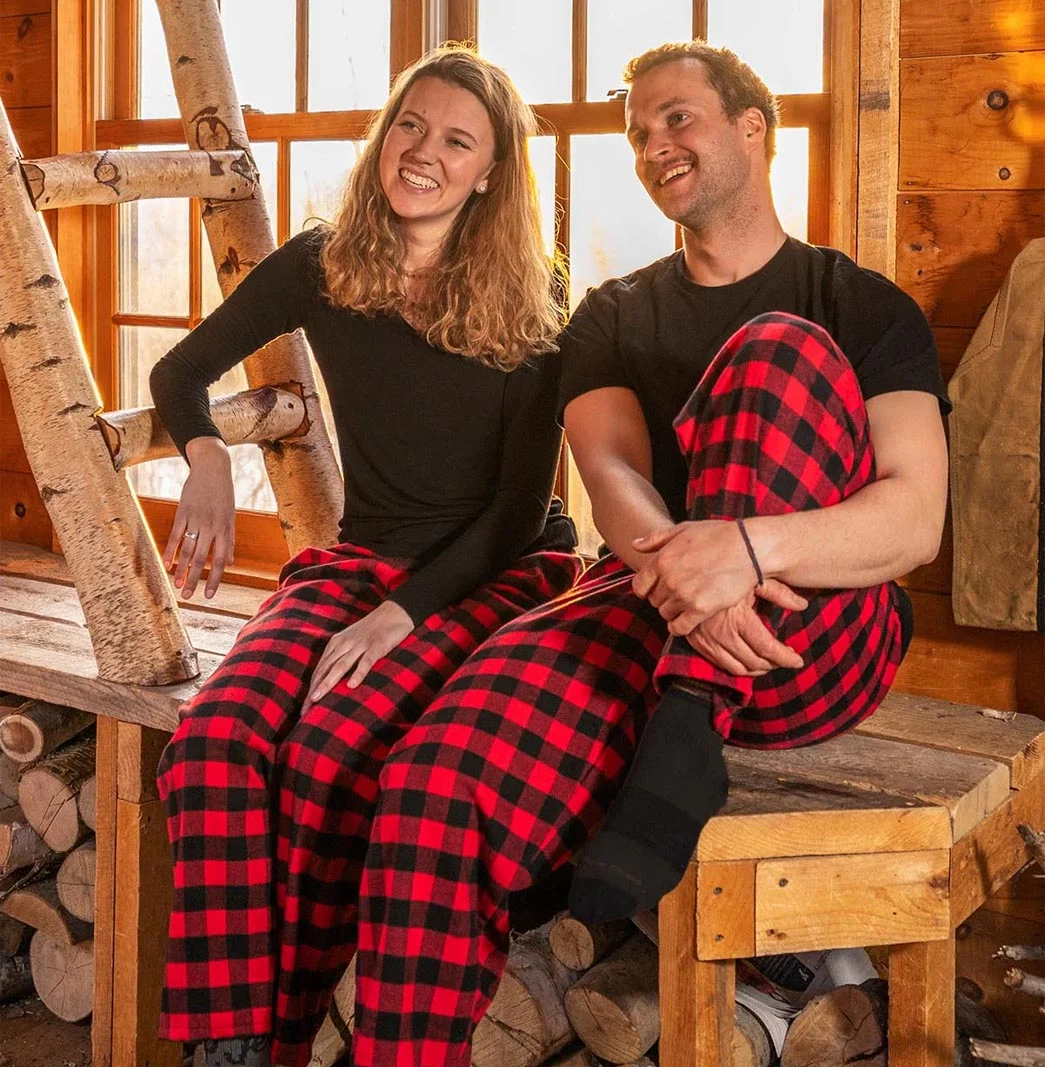
If done right, private label pajamas are one of the lowest-risk, highest-repeat purchase categories in apparel.
What Is Private Label Pajama Manufacturing?
Private label means you’re not just buying products—you’re building your own brand identity.
Instead of:
- Selling generic products
- Competing on price
You are:
- Creating unique designs
- Adding your own labels, tags, packaging
- Controlling your positioning
👉 For example, working with an OEM partner like Bless Clothing allows you to fully customize your sleepwear line from fabric to final packaging.
Why Private Label Sleepwear Is Growing Fast
From what I’ve seen across multiple brands, pajamas are becoming a core category, not just seasonal products.
Key reasons:
- Loungewear trend (post-pandemic lifestyle shift)
- High repeat purchase rate
- Easy sizing compared to denim or tailoring
- Lower return rates
👉 Market data sources like Statista show steady growth in global sleepwear demand.
Step-by-Step: How to Build Your Pajama Line
Here’s the exact process I recommend for new brands:
1. Define Your Brand Positioning
- Budget / mid-range / premium
- Target market (women, men, maternity, couples)
2. Choose Core Products First
Start simple:
- 2-piece pajama sets
- Loungewear sets
- Seasonal variations
3. Develop Samples
- Fit testing
- Fabric feel validation
- Wash testing
4. Finalize Branding
- Labels
- Packaging
- Logo placement
5. Launch Small Batch Production
- Test market demand
- Avoid overstock
6. Scale Based on Sales Data
- Add colors, fabrics, styles
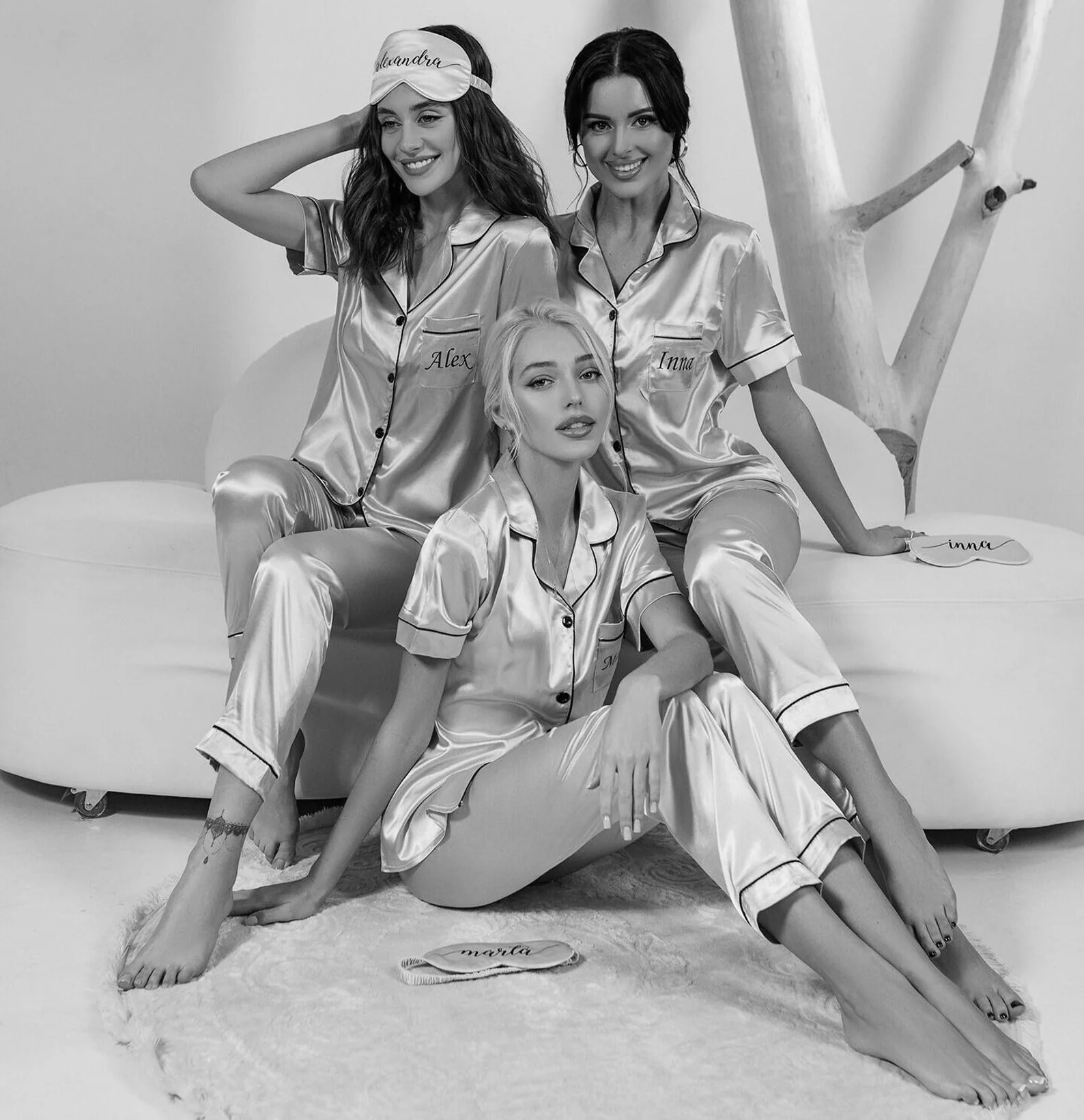
How to Design Pajamas That Actually Sell
This is where most brands fail.
What works in real production:
- Relaxed fit (comfort > tight fit)
- Neutral color palettes (black, beige, pastel)
- Soft-touch fabrics
- Functional details (elastic waist, pockets)
Design Decision Table
| Factor | What Works Best |
|---|---|
| Fit | Loose & comfortable |
| Colors | Minimal & seasonal |
| Fabric | Soft + breathable |
| Details | Practical features |
Fabric & Material Strategy
Your fabric choice defines your brand positioning.
Common Options:
| Fabric | Positioning | Notes |
|---|---|---|
| Cotton | Entry-level | Affordable, breathable |
| Bamboo | Premium eco | Soft + sustainable |
| Modal | Mid-premium | Smooth & flexible |
| Satin | Luxury | Visual appeal |
👉 Sustainability certifications like OEKO-TEX® help build trust with customers.
Branding & Customization Options
Private label is where your brand becomes real.
You can customize:
- Woven labels
- Printed neck labels
- Hang tags
- Packaging (zip bags, boxes)
- Logo printing / embroidery
Branding Impact Breakdown
| Element | Impact Level |
|---|---|
| Packaging | High |
| Labels | High |
| Logo placement | Medium |
| Fabric choice | Very High |
Cost Structure & Profit Margins
Let’s simplify how pricing works.
Typical Cost Breakdown:
| Component | % of Cost |
|---|---|
| Fabric | 40–60% |
| Labor | 20–30% |
| Trims/labels | 5–10% |
| Packaging | 5–10% |
Profit Insight:
- Entry-level brands: 2–3x markup
- Premium brands: 4–6x markup
👉 The real profit comes from branding + perceived value, not just production cost.
Choosing the Right Manufacturer
This is the most critical decision.
What I always recommend checking:
- MOQ flexibility (important for startups)
- Sampling speed (should be under 10 days)
- Fabric sourcing ability
- Communication clarity
- Quality control system
Quick Selection Guide
| Situation | Best Choice |
|---|---|
| Testing a new brand | Low MOQ factory |
| Scaling fast | Full-package OEM |
| Premium branding | Specialized fabric supplier |
Mistakes to Avoid When Starting
From real factory cases, avoid these:
- Launching too many styles at once
- Ignoring fabric quality
- Over-customizing first order
- Skipping wear testing
- Choosing suppliers based only on price
Factory Comparison Checklist
Use this before choosing a supplier:
| Criteria | Check |
|---|---|
| MOQ fits budget | ✅ |
| Sample quality | ✅ |
| Fabric options | ✅ |
| Communication | ✅ |
| Delivery timeline | ✅ |
FAQs
1. What is private label in pajamas?
It means selling sleepwear under your own brand name with full customization.
2. What is the minimum order quantity?
Typically 100–300 pieces per style.
3. How long does production take?
Around 3–5 weeks after sample approval.
4. Can I customize everything?
Yes—fabric, fit, labels, packaging, and logo.
5. Is pajama business profitable?
Yes, especially due to repeat purchases and simple sizing.
Start Your Pajama Brand
If you want to build a real sleepwear brand, don’t overcomplicate it.
Start with:
- 1–2 core products
- Reliable manufacturer
- Strong branding
👉 Work with a trusted partner like Bless Clothing to simplify development, reduce risk, and scale faster.
Final Thought
Private label pajamas are not just about comfort—they’re about creating a brand customers want to come back to.
If your product feels good and your branding connects, your customers will reorder—and that’s where real growth happens.