Table of Contents
- Quick Answer
- What a Custom Sleepwear Manufacturer Actually Provides
- Sleepwear Fabrics Explained (What Really Works)
- Popular Sleepwear Styles for Modern Brands
- How the Production Process Works
- How to Choose Fabrics Based on Your Brand Positioning
- Cost Drivers in Sleepwear Manufacturing
- How to Select the Right Manufacturer
- Common Production Problems (and How to Avoid Them)
- Fabric & Style Comparison Table
- FAQs
- Build a Scalable Sleepwear Line
Quick Answer
A custom sleepwear manufacturer helps you turn your ideas into finished products by managing:
- Fabric sourcing
- Pattern development
- Sampling & fit testing
- Bulk production
- Branding & packaging
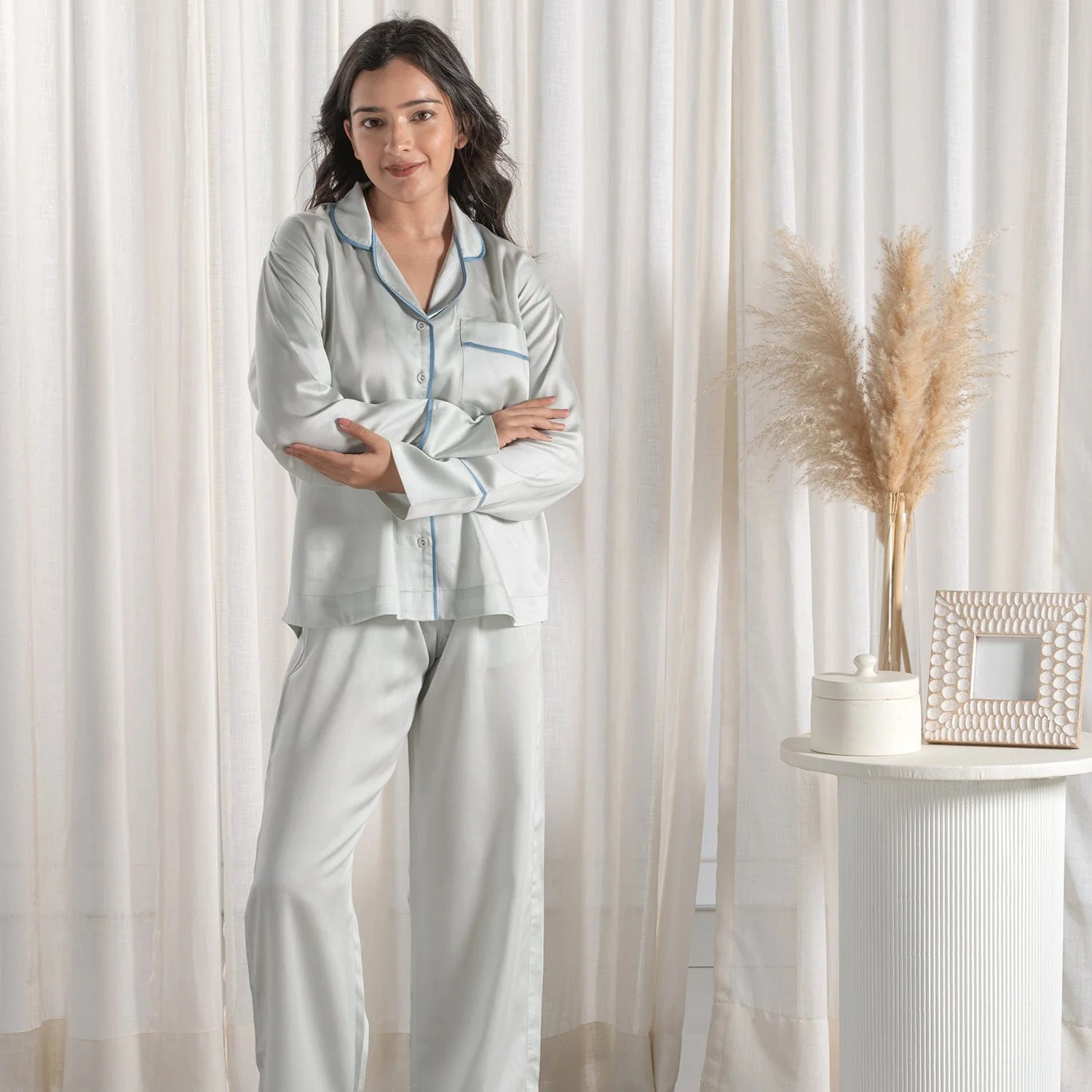
If you want to build a sleepwear line, the key is choosing the right fabric + style + production partner from the start.
What a Custom Sleepwear Manufacturer Actually Provides
From my experience in apparel production, a good manufacturer does much more than just sewing.
Core capabilities include:
- Product development (tech pack → sample)
- Fabric sourcing & customization
- Fit optimization for comfort
- Bulk production management
- Quality control (AQL inspection)
👉 Working with a full-service partner like Bless Clothing means you don’t need multiple vendors—you can manage everything in one place.
Sleepwear Fabrics Explained (What Really Works)
Fabric is the most important decision in sleepwear.
Key rule:
Sleepwear is about comfort first, aesthetics second.
Core Fabric Options
| Fabric | Feel | Best For | Difficulty |
|---|---|---|---|
| Cotton | Breathable | Everyday sleepwear | Easy |
| Modal | Smooth/stretchy | Loungewear | Easy |
| Bamboo | Ultra-soft | Premium eco brands | Medium |
| Satin | Silky/glossy | Luxury sleepwear | Medium |
| Flannel | Warm | Winter collections | Easy |
👉 For certified safe fabrics, refer to standards like OEKO-TEX®.
Practical Insight (From Factory Experience)
- Cotton = safest starting point
- Bamboo = strongest premium upgrade
- Satin = visual appeal but harder production
Popular Sleepwear Styles for Modern Brands
Different styles target different customers.
Most in-demand categories:
1. Pajama Sets
- Classic 2-piece
- High repeat purchase
2. Loungewear Sets
- Multi-use (home + casual wear)
- Strong DTC performance
3. Sleep Dresses / Nightgowns
- Popular in women’s market
4. Seasonal Collections
- Flannel (winter)
- Lightweight sets (summer)
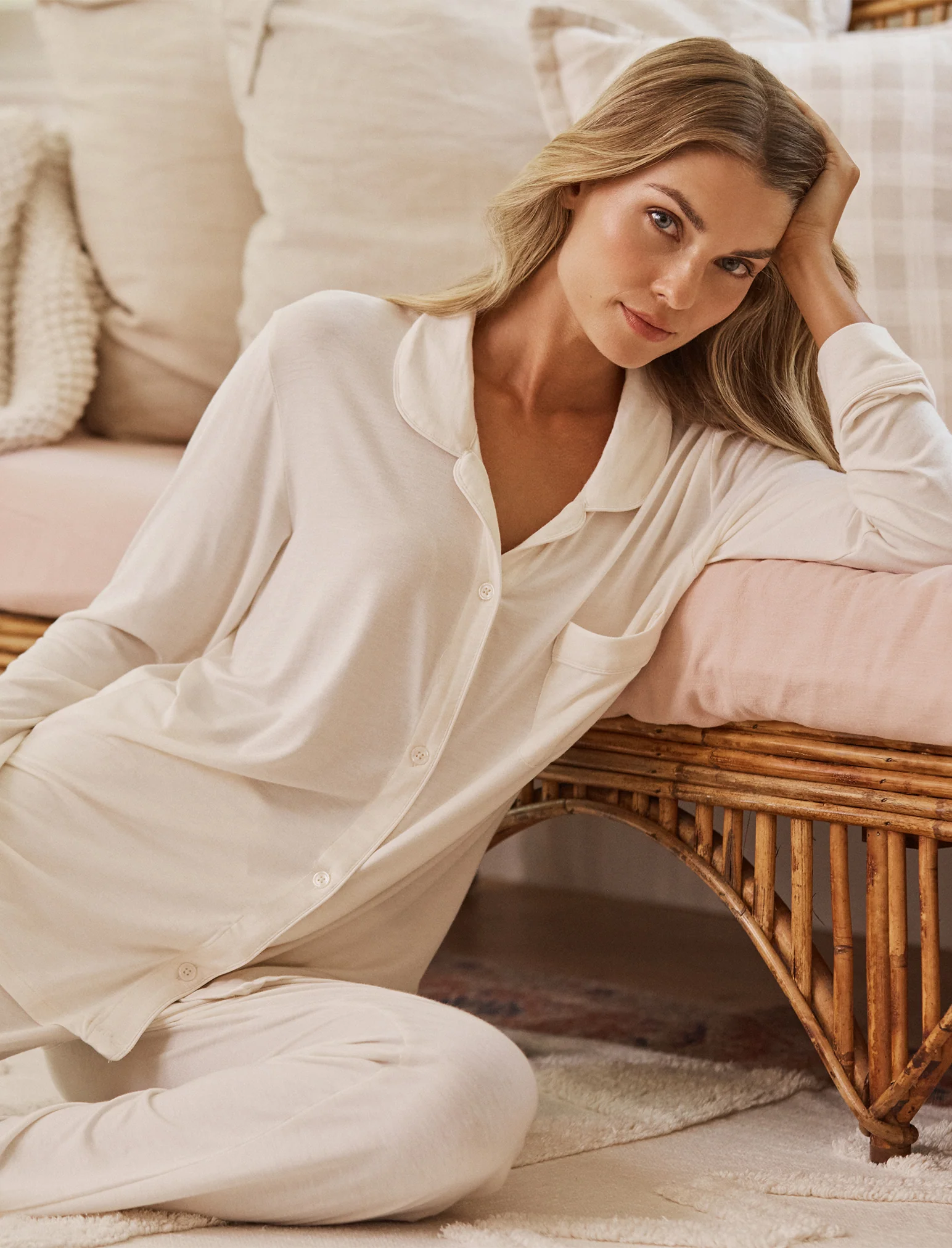
Style Selection Strategy
| Brand Type | Recommended Style |
|---|---|
| Startup | Basic pajama sets |
| Premium brand | Bamboo/satin sets |
| Trend-driven | Printed loungewear |
How the Production Process Works
Here’s the real production flow used by professional manufacturers:
1. Concept Development
- Define fabric, fit, and target market
2. Sample Creation
- Fit testing
- Fabric validation
3. Material Preparation
- Fabric dyeing
- Trim sourcing
4. Bulk Production
- Cutting → sewing → finishing
5. Quality Control
- Inline + final inspection
6. Packaging & Shipping
- Custom packaging
- Global logistics
How to Choose Fabrics Based on Your Brand Positioning
This is where strategy matters.
Fabric vs Brand Positioning
| Positioning | Recommended Fabric |
|---|---|
| Budget | Cotton |
| Mid-range | Modal blends |
| Premium | Bamboo |
| Luxury | Satin/silk |
Key Insight:
Your fabric determines:
- Product feel
- Pricing power
- Customer perception
Cost Drivers in Sleepwear Manufacturing
Understanding cost helps you control margins.
Main cost factors:
| Factor | Impact Level |
|---|---|
| Fabric | Very High |
| Quantity | High |
| Design complexity | Medium |
| Branding | Medium |
Cost Optimization Tips:
- Start with simple designs
- Avoid too many colorways
- Use stock fabrics when possible
How to Select the Right Manufacturer
Not all manufacturers are equal.
What I recommend checking:
- Fabric sourcing capability
- Sample quality consistency
- MOQ flexibility
- Communication speed
- Experience with sleepwear
Quick Decision Table
| Your Goal | Best Choice |
|---|---|
| Test market | Low MOQ factory |
| Scale production | Full OEM factory |
| Premium product | Specialized fabric supplier |
Common Production Problems (and How to Avoid Them)
These issues happen frequently:
Problem → Solution
- Fabric shrinkage → Pre-wash testing
- Poor fit → Multiple sample revisions
- Inconsistent sizing → Size chart standardization
- Weak stitching → Quality inspection
Reality Check:
Most production issues come from:
- Rushed sampling
- Poor communication
- Lack of testing
Fabric & Style Comparison Table
| Category | Best Fabric | Difficulty | Profit Potential |
|---|---|---|---|
| Basic sets | Cotton | Low | Medium |
| Loungewear | Modal | Low | High |
| Eco line | Bamboo | Medium | High |
| Luxury line | Satin | Medium | High |
FAQs
1. What is the best fabric for sleepwear?
Cotton for beginners, bamboo for premium, satin for luxury.
2. What is MOQ for custom sleepwear?
Usually 100–300 pcs per style.
3. How long does production take?
Around 3–5 weeks after sample approval.
4. Can I customize everything?
Yes—fabric, fit, labels, packaging, and logo.
5. Is sleepwear a good category to start?
Yes—simple sizing and strong repeat purchase behavior.
Build a Scalable Sleepwear Line
If you want to build a long-term brand, focus on:
- Fabric quality
- Consistent fit
- Clear brand positioning
👉 A reliable partner like Bless Clothing helps you control production while scaling efficiently.
Final Insight
Sleepwear is one of the few apparel categories where comfort directly drives repeat purchases.
If your product feels better than competitors, customers will come back—and that’s how brands grow.