
Table of Contents
- Quick Answer
- Why Loungewear Is a Smart Category to Start
- Step 1: Define Your Brand Positioning
- Step 2: Choose the Right Product Strategy
- Step 3: Select Fabrics That Sell
- Step 4: Work With a Private Label Manufacturer
- Step 5: Sampling, Testing & Refinement
- Step 6: Launch With Low Risk
- Step 7: Build a Repeatable Growth System
- Cost & Profit Model Explained
- Common Mistakes to Avoid
- Brand Strategy Comparison Table
- FAQs
- Start Your Loungewear Brand
Quick Answer
To successfully launch a private label loungewear brand, you need to:
- Start with simple, high-demand products
- Use low MOQ production
- Focus on fabric comfort + branding
- Test before scaling
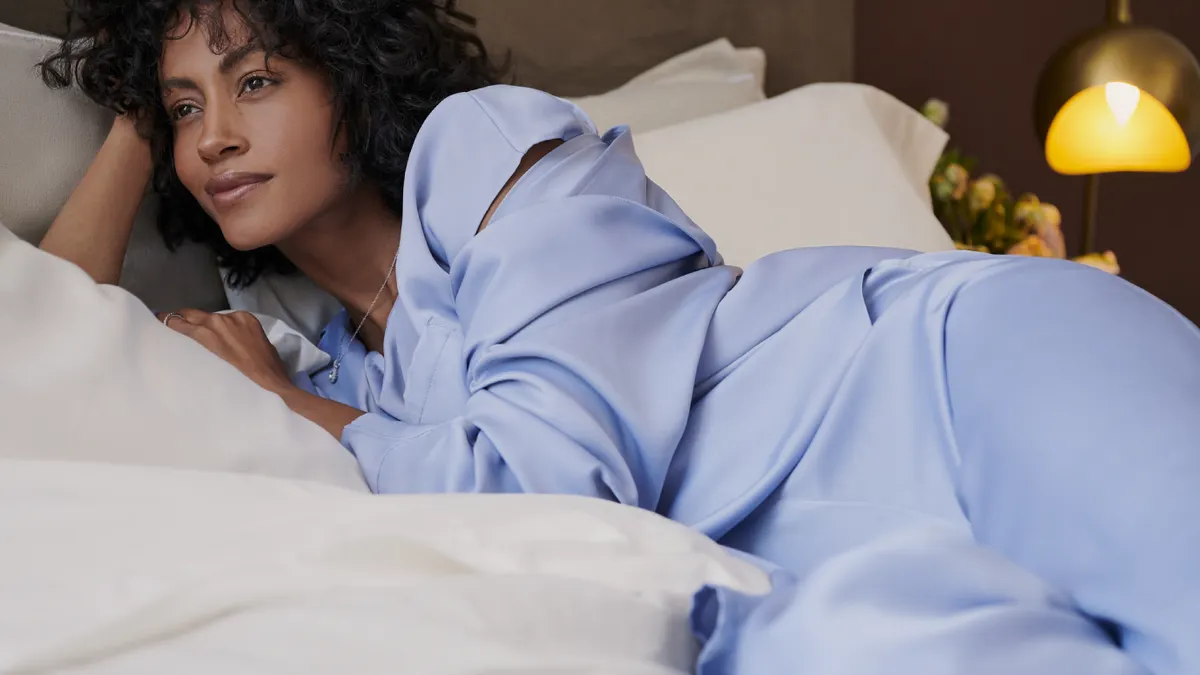
👉 A reliable manufacturer like Bless Clothing can help you move from idea to production faster and with less risk.
Why Loungewear Is a Smart Category to Start
From what I’ve seen across multiple apparel projects, loungewear is one of the easiest categories to enter.
Key advantages:
- Simple sizing (lower return rates)
- High repeat purchase potential
- Works year-round
- Blends fashion + comfort
👉 According to market insights from Statista, loungewear demand continues to grow globally.
Step 1: Define Your Brand Positioning
Before designing anything, decide who you are selling to.
Ask yourself:
- Is your brand budget, mid-range, or premium?
- Are you targeting comfort, style, or sustainability?
Positioning Framework
| Positioning | Strategy |
|---|---|
| Budget | Basic cotton sets |
| Mid-range | Modal blends |
| Premium | Bamboo fabrics |
| Luxury | Designer aesthetics + packaging |
Step 2: Choose the Right Product Strategy
Don’t launch too many products at once.
Start with:
- 1–2 core styles
- 2–3 color options
- Consistent fit
Best Starter Products
| Product Type | Reason |
|---|---|
| Loungewear sets | Easy to sell |
| Oversized tops | Trend-driven |
| Jogger pants | High demand |
Step 3: Select Fabrics That Sell
Fabric is the core of your product experience.
Recommended options:
| Fabric | Benefit | Positioning |
|---|---|---|
| Cotton | Breathable | Entry-level |
| Modal | Soft/stretchy | Mid-range |
| Bamboo | Premium comfort | Eco brands |
👉 Certifications like OEKO-TEX® can strengthen your brand credibility.
Key Insight:
Customers don’t just buy design—they buy how the product feels.
Step 4: Work With a Private Label Manufacturer
Choosing the right factory determines your success.
What to look for:
- Low MOQ support
- Fabric sourcing capability
- Custom branding options
- Reliable communication
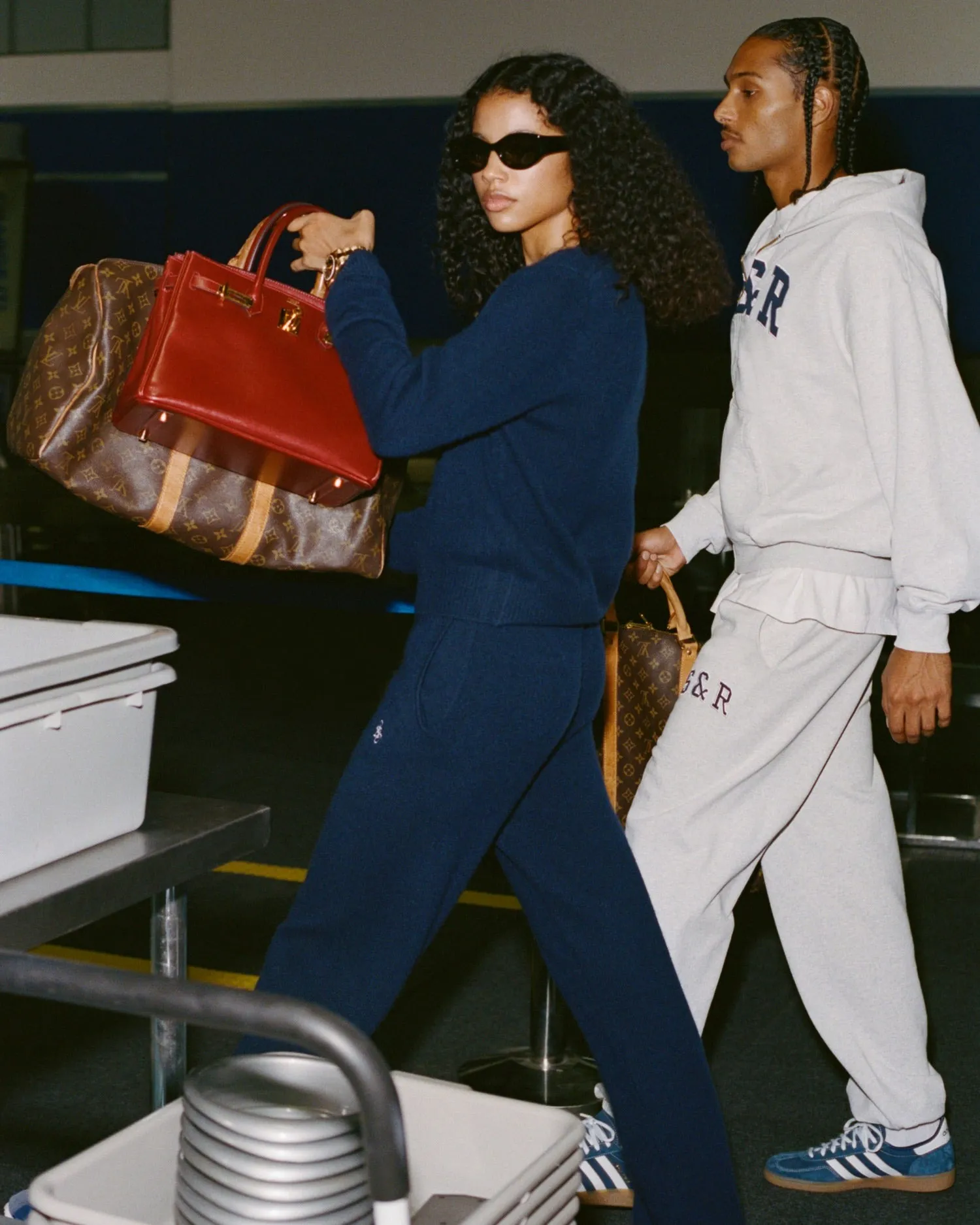
👉 A full-service partner like Bless Clothing simplifies development and production.
Step 5: Sampling, Testing & Refinement
Never skip this step.
During sampling:
- Test fit and comfort
- Wash and wear test
- Adjust based on feedback
Sampling Checklist
| Item | Check |
|---|---|
| Fit accuracy | ✅ |
| Fabric feel | ✅ |
| Shrinkage | ✅ |
| Stitch quality | ✅ |
Step 6: Launch With Low Risk
Avoid over-investing in your first launch.
Smart launch strategy:
- Start with small batch (100–200 pcs)
- Focus on one audience
- Collect customer feedback
Risk Control Table
| Strategy | Benefit |
|---|---|
| Low MOQ | Lower risk |
| Limited styles | Easier control |
| Gradual scaling | Better cash flow |
Step 7: Build a Repeatable Growth System
Once your first products sell, scale strategically.
Growth steps:
- Add new colors
- Expand size range
- Introduce new fabrics
- Improve branding
Long-Term Focus:
- Product consistency
- Customer retention
- Brand identity
Cost & Profit Model Explained
Understanding margins is key.
Typical cost structure:
| Component | % of Cost |
|---|---|
| Fabric | 40–60% |
| Labor | 20–30% |
| Branding | 10–15% |
Profit Insight:
- Entry brands: 2–3x markup
- Premium brands: 4–6x markup
👉 Profit comes from branding + perceived value, not just cost.
Common Mistakes to Avoid
These are the biggest mistakes I see:
- Launching too many products
- Ignoring fabric quality
- Choosing cheapest supplier
- Skipping testing
- Weak branding
Reality Insight:
Your first collection doesn’t need to be perfect—it needs to be testable and scalable.
Brand Strategy Comparison Table
| Strategy Type | Risk Level | Investment | Growth Potential |
|---|---|---|---|
| Large launch | High | High | Medium |
| Small batch start | Low | Low | High |
| Premium launch | Medium | Medium | High |
FAQs
1. What is private label loungewear?
Selling loungewear under your own brand with full customization.
2. What is the ideal MOQ?
100–200 pcs per style for startups.
3. How long does production take?
Usually 3–5 weeks after sample approval.
4. Is loungewear profitable?
Yes—high repeat purchase and simple sizing.
5. How do I scale my brand?
Start small, validate demand, then expand product range.
Start Your Loungewear Brand
Launching a loungewear brand is not about doing everything—it’s about doing the right things first.
Start with:
- Clear positioning
- Simple products
- Reliable manufacturer
👉 Work with an experienced partner like Bless Clothing to streamline production and scale your brand efficiently.
Final Insight
The most successful loungewear brands don’t start big—they start smart, test quickly, and scale what works.