
Table of Contents
- Quick Answer
- Why Fake Stussy Exists
- My Perspective From Apparel Manufacturing
- Where Fake Stussy Is Commonly Sold
- How Big the Fake Market Is
- Real vs Fake Seller Comparison
- Risks of Buying Fake Stussy
- How to Avoid Fake Products
- When Fake Products Are Most Common
- FAQ
- Final Verdict
Quick Answer
Yes — fake Stussy products are widely sold in the market.
👉 From my experience:
Fake Stussy is very common because the brand is:
- Easy to replicate visually
- High in demand
- Logo-driven
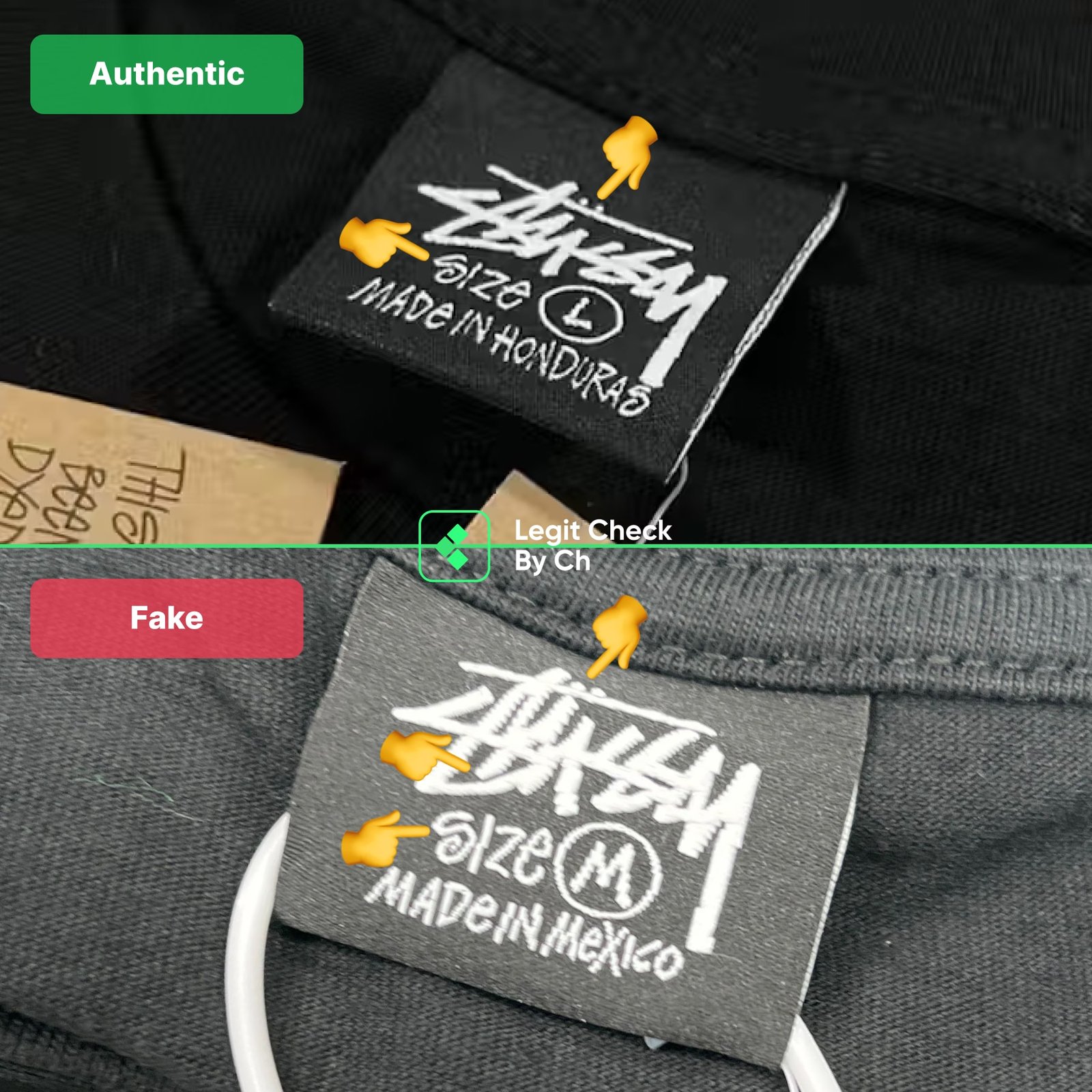
Why Fake Stussy Exists
There are clear reasons behind the fake market:
1. Simple Design
- Minimal graphics
- Easy-to-copy logo
2. Strong Demand
- Global streetwear popularity
- High resale and brand recognition
3. Price Gap
- Real products cost more
- Fake versions attract budget buyers
👉 This combination makes Stussy a high-risk brand for counterfeits.
My Perspective From Apparel Manufacturing
From a production standpoint:
Fake products usually:
- Use cheaper fabrics
- Skip quality control
- Focus only on visual similarity
What I’ve observed:
- Real brands invest in material and consistency
- Fake producers focus on fast, low-cost output
👉 That’s why fakes often fail in durability.
Where Fake Stussy Is Commonly Sold
High-risk channels:
- Unverified online marketplaces
- Social media sellers
- Street markets
Lower-risk channels:
- Official stores
- Authorized retailers
- Trusted platforms
👉 From my experience:
The seller matters more than the product listing.
How Big the Fake Market Is
Fake streetwear is a global issue.
Key facts:
- Streetwear brands are among the most counterfeited
- Logo-based brands are easiest to copy
- Online platforms increase distribution
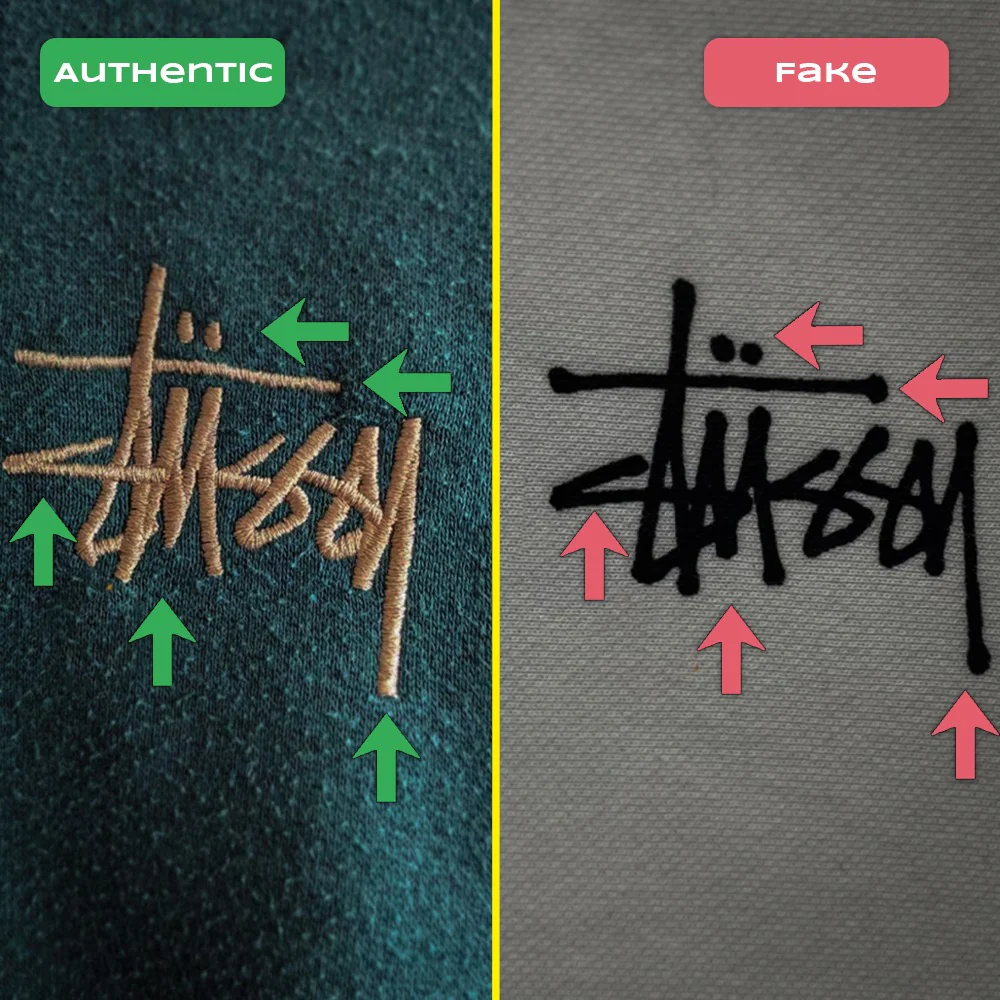
👉 Stussy falls directly into this category.
Real vs Fake Seller Comparison
| Factor | Legit Seller | Fake Seller |
|---|---|---|
| Price | Market-level | Too cheap |
| Product Detail | Accurate | Inconsistent |
| Reviews | Verified | Suspicious |
| Source | Authorized | Unknown |
| Quality | Consistent | Unreliable |
Risks of Buying Fake Stussy
1. Poor Quality
- Weak fabric
- Fading prints
- Short lifespan
2. Wasted Money
- No long-term value
- Frequent replacement
3. Brand Impact
- Hurts brand reputation
- Reduces trust in the market
👉 From my experience:
Buying fake often costs more in the long run.
How to Avoid Fake Products
1. Check the Price
- Too cheap = red flag
2. Verify the Seller
- Look for official or trusted stores
3. Inspect Product Details
- Tags
- Stitching
- Fabric
4. Compare With Official Listings
👉 If you're building your own clothing brand, working with a trusted manufacturer like blessclothing helps ensure:
- Consistent quality
- Authentic production
- Reliable supply chains
When Fake Products Are Most Common
High-risk situations:
- Flash sales
- Social media ads
- Unverified websites
Lower risk:
- Official retail
- Established platforms
👉 From my experience:
Fakes appear most when buyers focus only on price.
FAQ
1. Do people really sell fake Stussy?
Yes — it’s very common globally.
2. Why is fake Stussy everywhere?
Because of:
- High demand
- Simple design
- Easy replication
3. Is fake Stussy illegal?
Yes — selling counterfeit goods is illegal in most countries.
4. Can fake Stussy look real?
Yes — but it usually fails in:
- Quality
- Details
- Durability
Final Verdict
So, do people sell fake Stussy?
👉 Yes — and it’s very common in the market.
From my experience:
- Real Stussy = consistency and quality
- Fake Stussy = shortcuts and inconsistency
👉 The safest strategy is:
Buy from trusted sources and focus on details.
Internal Reference
If you're building your own streetwear brand and want to avoid quality and authenticity issues seen in counterfeit markets:
👉 You can explore private label and custom manufacturing solutions with blessclothing to ensure reliable production and strong brand positioning.