Table of Contents
- Quick Answer
- Current Ownership Explained
- Ownership History Timeline
- My Perspective From Apparel Manufacturing
- About the Parent Company
- Ownership vs Brand Control
- Fruit of the Loom vs Other Apparel Brands
- Strengths and Limitations of This Ownership Model
- What This Means for Buyers & Brand Builders
- FAQ
- Final Verdict
Quick Answer
Fruit of the Loom is owned by Berkshire Hathaway, the multinational conglomerate led by Warren Buffett.
👉 This means the brand is part of a large, financially strong corporate group.
Current Ownership Explained
Today, Fruit of the Loom operates under:
- Parent Company: Berkshire Hathaway
- Ownership Type: Fully acquired subsidiary
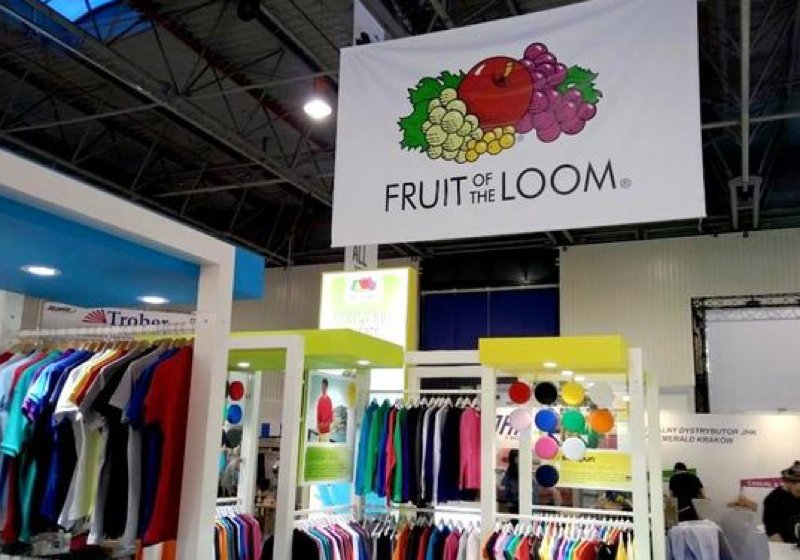
👉 Berkshire Hathaway acquired the brand in 2002.
Ownership History Timeline
Key milestones:
| Period | Ownership Stage |
|---|---|
| 1800s | Independent textile company |
| 1900s | Major U.S. apparel brand |
| 1990s | Financial struggles |
| 2002–Present | Owned by Berkshire Hathaway |
👉 The acquisition helped stabilize and grow the brand globally.
My Perspective From Apparel Manufacturing
From a production and sourcing perspective:
There are two major types of apparel ownership:
- Independent brands
- Corporate-owned brands
👉 Fruit of the Loom is clearly corporate-owned.
What I’ve observed:
- Strong supply chain control
- Large-scale production efficiency
- Cost optimization focus
👉 This is why the brand is known for affordable basics at scale.
About the Parent Company
Berkshire Hathaway:
- One of the largest companies in the world
- Owns multiple global brands across industries
What this means:
- Financial stability
- Long-term investment approach
- Focus on sustainable growth
👉 From my experience:
Being owned by Berkshire Hathaway ensures consistency and scale.
Ownership vs Brand Control
Ownership:
- Berkshire Hathaway owns the company
Control:
- Day-to-day operations handled by internal management
👉 This structure allows:
- Corporate backing
- Operational independence
Fruit of the Loom vs Other Apparel Brands
| Brand Type | Ownership Model | Positioning |
|---|---|---|
| Fruit of the Loom | Corporate (Berkshire) | Affordable basics |
| Independent brands | Private | Identity-driven |
| Luxury brands | Conglomerates | Premium |
| Fast fashion | Corporate | Trend-based |
👉 If you're building your own apparel brand, working with a manufacturer like blessclothing allows you to:
- Control production quality
- Define your brand positioning
- Scale efficiently
Strengths and Limitations of This Ownership Model
✅ Strengths
- Strong financial backing
- Efficient global supply chain
- Consistent product availability
- Competitive pricing
❌ Limitations
- Less brand uniqueness
- Focus on basics rather than innovation
- Limited premium positioning
What This Means for Buyers & Brand Builders
For consumers:
- Reliable quality
- Affordable pricing
- Widely available products
For brand builders:
👉 Fruit of the Loom shows that:
- Scale creates efficiency
- Ownership impacts positioning
- Corporate backing enables growth
FAQ
1. Who owns Fruit of the Loom?
Berkshire Hathaway owns the brand.
2. Is Fruit of the Loom a public company?
No — it is privately owned under Berkshire Hathaway.
3. Why did Berkshire Hathaway buy it?
To invest in a stable, large-scale apparel business.
4. Is Fruit of the Loom a premium brand?
No — it focuses on affordable basics.
Final Verdict
So, who owns Fruit of the Loom?
👉 Berkshire Hathaway.
From my experience, this explains why the brand:
- Focuses on affordability
- Operates at massive scale
- Maintains consistent product supply
👉 Ownership defines strategy — and in this case, it’s about efficiency and reliability.
Internal Reference
If you're planning to build your own apparel brand and want to control production, pricing, and positioning:
👉 You can explore private label and custom manufacturing solutions with blessclothing to scale your brand effectively.