
Table of Contents
Introduction
Manufacturing high-quality sweatshirt requires understanding multiple technical factors. Research shows 45% of brands report that startups struggle with fabric specification decisions. This guide covers essential knowledge for B2B buyers sourcing custom sweatshirt.
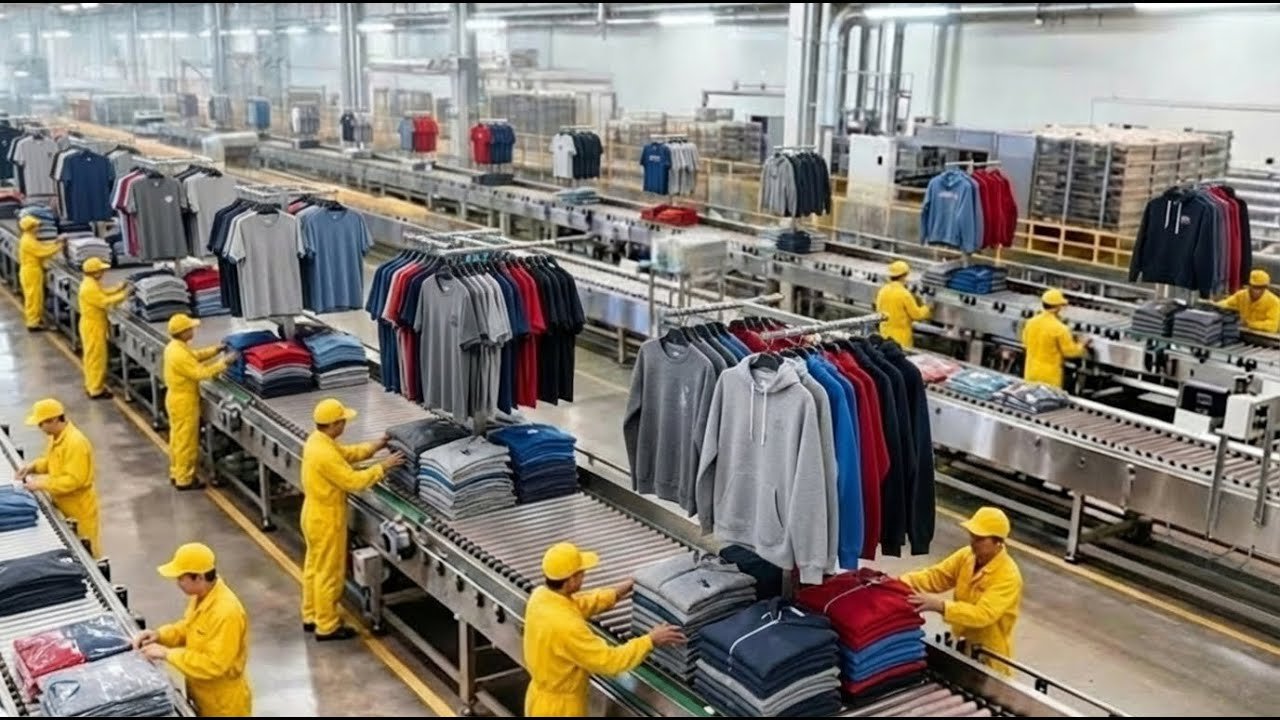
Whether you're launching a new line or optimizing your supply chain, understanding these fundamentals helps you communicate effectively with manufacturers and avoid costly mistakes.
Understanding Sweatshirt Quality
Fabric Weight (GSM)
GSM (grams per square meter) determines fabric thickness and warmth:
- 200-220 GSM: Lightweight, ideal for summer or layering pieces
- 240-280 GSM: Mid-weight, versatile for year-round wear
- 300-400 GSM: Heavyweight, premium quality, cold weather
Construction Quality Indicators
- Stitch Density: 8-12 stitches per inch indicates quality construction
- Seam Type: Double-needle stitching at stress points for durability
- Terry Knit Seamless Construction: Modern technique ensuring consistent quality
For contact us production, Bless Clothing uses 280-320 GSM fabrics as standard, with options for lighter or heavier based on your requirements.
Material Deep Dive
Cotton Varieties
| Cotton Type | Characteristics | Best For |
|---|---|---|
| Ring-Spun | Softest, strongest fibers | Premium products |
| Combed | Removed impurities, smoother | Quality basics |
| Carded | Cost-effective, standard | Budget lines |
| Organic | GOTS certified, sustainable | Eco-conscious brands |
Blend Ratios
- 100% Cotton: Maximum softness and breathability, some shrinkage
- 60/40 Cotton-Poly: Reduced shrinkage, good durability
- 80/20 Cotton-Poly: Balance of comfort and easy care
- CVC (Chief Value Cotton): >50% cotton with polyester benefits
Market data from OEKO-TEX certification indicates 43% of B2B apparel buyers prioritize sustainable material options in 2026.
Construction Standards
Seam Construction
- Overlocked Seams: Standard, reliable for most applications
- Flatlock Seams: Comfort-focused, ideal for activewear
- Taped Seams: Water-resistant, for outerwear applications
- Coverstitch: Professional finish for hem and collar
Hardware Quality
Quality hardware distinguishes premium products:
- Zippers: YKK or SBS brand, metal or quality plastic
- Drawstrings: Flat woven, metal aglets, fray-resistant ends
- Snaps/Buttons: Rust-resistant, properly attached
Understanding World Trade Organization quality standards helps you specify requirements accurately.
Sourcing Checklist
Before Contacting Suppliers
- Define target price range per unit
- Determine GSM and fabric preferences
- Prepare design specifications or reference samples
- Establish quality standards and acceptable defect rates
- Plan timeline from design approval to delivery
Questions to Ask Manufacturers
- What is your minimum order quantity per design?
- Do you offer fabric development services?
- What quality control processes do you implement?
- Can you provide certified samples for testing?
- What are your payment terms and lead times?
Explore about Bless Clothing options with detailed specifications to find the right match for your brand.
Quality Control Guide
AQL Standards
Acceptable Quality Level (AQL) is the industry standard for inspection:
- AQL 1.0: Strict quality, premium products (2.5% max defects)
- AQL 2.5: Standard quality, most applications (4% max defects)
- AQL 4.0: Acceptable for budget products (6.5% max defects)
Inspection Points
- Pre-Production: Fabric and component inspection
- During Production: Quality checks at each stage
- Pre-Shipment: Final random inspection (通常 10% of order)
FAQ
What GSM is best for custom sweatshirt
A: 280-320 GSM offers the best balance for most applications. Heavier weights (350+ GSM) work for premium cold-weather products, while lighter weights suit summer or athletic styles.
How do I verify fabric quality before bulk
A: Request swatches with complete specifications: fiber content, GSM, shrinkage rate, colorfastness rating, and care instructions. Test physical properties yourself before approval.
What causes common quality issues
A: Fabric shrinkage (from improper pre-shrinking), color bleeding (dye quality), seam failure (stitch type or thread quality), and dimension instability (poor pattern making).
Can I request custom fabric development
A: Yes, leading manufacturers like Bless Clothing offer custom fabric development including unique blends, weights, and treatments. This typically adds 15-25 days to lead time and requires larger minimum orders.
How to ensure ethical manufacturing
A: Request factory audits (BSCI, WRAP, SA8000), ask for worker condition documentation, verify certifications, and consider third-party inspection services.
Summary
Understanding sweatshirt quality factors empowers you to make informed sourcing decisions. Key takeaways:
- Fabric weight and construction method determine product character
- Quality hardware and stitching ensure product longevity
- Clear specifications prevent manufacturing errors
- Proper QC processes protect your brand reputation
For expert assistance with custom sweatshirts and custom production, contact Bless Clothing. Our team helps brands navigate the manufacturing process.
Information based on industry standards as of 2026. Consult manufacturers for specific product requirements.