
Table of Contents
- Quick Answer
- Why Some Wrangler Products Vary in Quality
- My Perspective From Denim Manufacturing
- Wrangler Lines You Should Be Careful With
- Warning Signs Before You Buy
- Comparison: Good vs Risky Wrangler Options
- Common Buying Mistakes
- Best Alternatives Within Wrangler
- Who Should Still Buy Budget Wrangler
- FAQ
- Final Verdict
Quick Answer
You should be cautious with low-cost Wrangler lines (especially big-box exclusives and ultra-cheap models), as they often use thinner fabrics and simpler construction.
👉 From my experience:
Not all Wrangler products are equal —
entry-level versions are where quality drops most.
Why Some Wrangler Products Vary in Quality
Wrangler is a large-scale brand with:
- Multiple product tiers
- Different manufacturing standards
- Retail-specific collections
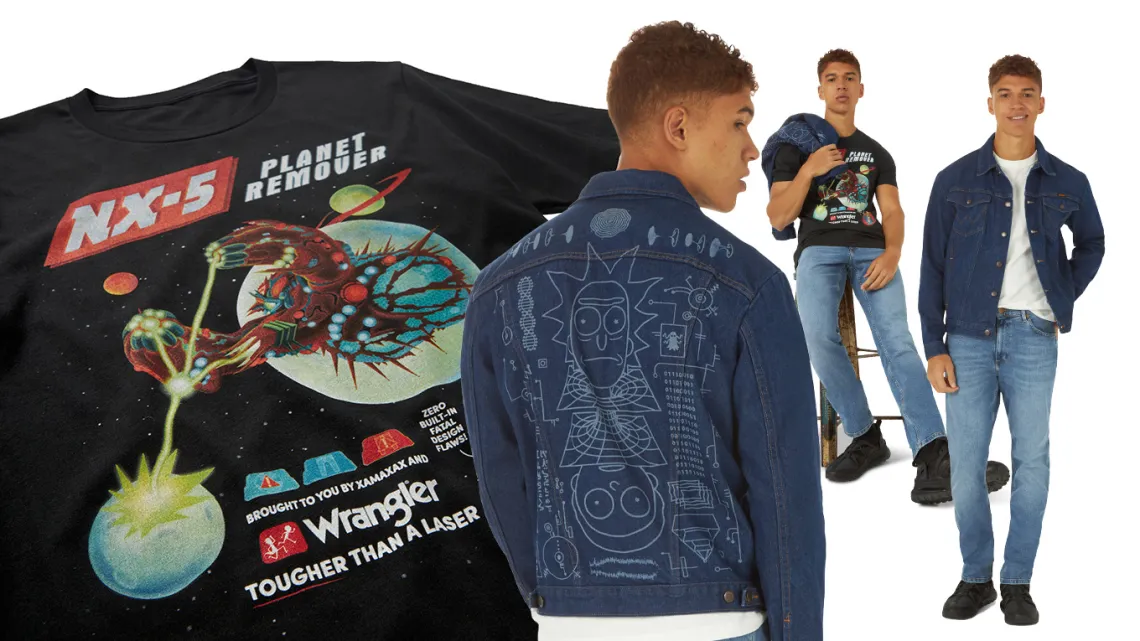
👉 This creates noticeable differences in quality.
My Perspective From Denim Manufacturing
From a production standpoint:
Brands like Wrangler often produce:
- Premium lines (better fabric, stronger stitching)
- Budget lines (cost-focused production)
What I’ve observed:
- Lower-tier products use lighter denim (lower GSM)
- Simplified stitching to reduce cost
- Less strict quality control
👉 This is normal in mass-market brands.
Wrangler Lines You Should Be Careful With
1. Big-Box Retail Exclusives (e.g., Walmart versions)
- Lower price
- Thinner fabric
- Simplified construction
👉 Designed for affordability, not durability.
2. Ultra-Cheap Online Listings
- Often inconsistent quality
- Possible counterfeit risk
👉 If the price is too low, it’s a red flag.
3. Fashion-Only Collections
- Focus on appearance over durability
- Lighter materials
👉 Not suitable for heavy use.
4. Older Clearance Stock
- May have outdated cuts
- Inconsistent sizing
👉 Quality may vary by batch.
Warning Signs Before You Buy
Look out for:
- Very thin denim
- Loose or uneven stitching
- Poor fit consistency
- Extremely low price
👉 From my experience:
Fabric thickness and stitching are the biggest indicators.
Comparison: Good vs Risky Wrangler Options
| Feature | High-Quality Wrangler | Lower-Tier Wrangler |
|---|---|---|
| Fabric | Thick, durable | Thin, lightweight |
| Stitching | Reinforced | Basic |
| Fit | Consistent | Inconsistent |
| Price | Mid-range | Very low |
| Use Case | Workwear | Casual/light use |
Common Buying Mistakes
❌ Choosing based on price only
Cheap doesn’t always mean good value.
❌ Ignoring fabric weight
Denim thickness is critical for durability.
❌ Buying from unverified sellers
Risk of counterfeit or low-grade products.
👉 From my experience:
Most problems come from poor selection, not the brand itself.
Best Alternatives Within Wrangler
Look for:
- Wrangler workwear lines
- Heavier denim (higher GSM)
- Reinforced stitching
👉 These offer the true Wrangler durability.
Who Should Still Buy Budget Wrangler
Suitable for:
- Casual wear
- Light daily use
- Budget buyers
Not suitable for:
- Heavy work environments
- Long-term durability needs
- Professional use
👉 Choose based on use case, not just price.
FAQ
1. Are all Wrangler jeans the same quality?
No — quality varies by product line.
2. Are Walmart Wrangler jeans worse?
They are usually lower-tier, designed for affordability.
3. How can I avoid low-quality Wrangler?
Check:
- Fabric thickness
- Stitching
- Price
4. Is Wrangler still a good brand overall?
Yes — but you need to choose the right product line.
Final Verdict
So, which Wrangler should you stay away from?
👉 Avoid:
- Ultra-cheap versions
- Big-box exclusives (for heavy use)
- Thin, fashion-only denim
From my experience:
Wrangler is a good brand — but only if you pick the right tier.
Internal Reference
If you're building your own denim or workwear brand and want to avoid quality inconsistency across product tiers:
👉 You can explore private label and custom manufacturing solutions with blessclothing to ensure consistent fabric quality and production standards.