
Table of Contents
- Quick Answer
- Nike’s Ownership of Converse Explained
- History of Nike and Converse
- Current Ownership Structure
- How Nike’s Ownership Affects Converse
- Nike and Converse in the Market Today
- Comparison: Nike and Converse
- Pros and Cons of Nike’s Ownership
- FAQ
- Final Verdict
Quick Answer
Yes — Nike still owns Converse.
👉 Converse became part of the Nike family in 2003, and has been operating under Nike’s ownership ever since.
Nike’s Ownership of Converse Explained
When did Nike acquire Converse?
- 2003: Nike acquired Converse for $305 million.
What does this mean for Converse?
- Converse continues to operate as a separate brand.
- Nike provides financial backing and distribution channels.
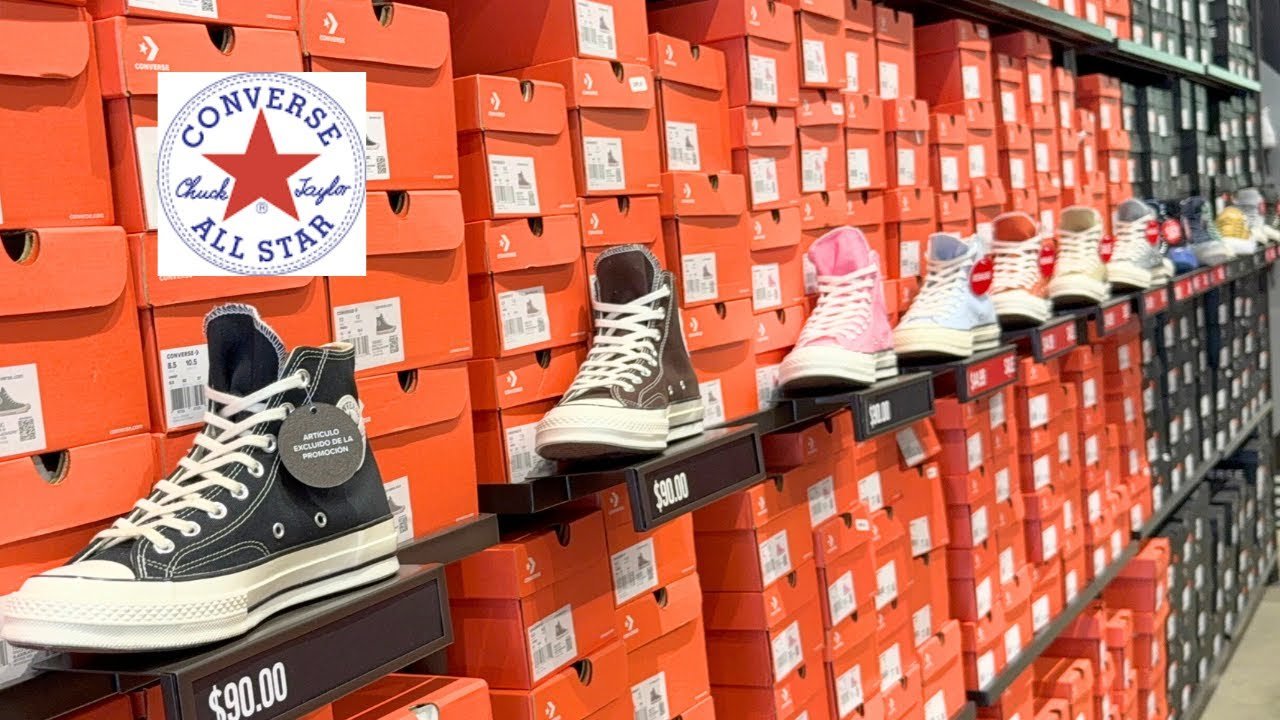
👉 This acquisition has allowed Converse to expand while leveraging Nike’s resources.
History of Nike and Converse
Key milestones:
- 1908: Converse was founded in Massachusetts.
- 2003: Nike purchased Converse, expanding into lifestyle footwear.
- Converse became a part of Nike’s portfolio, alongside other brands like Jordan and Hurley.
👉 Converse was once independent, but Nike’s purchase helped it evolve into a more prominent global player.
Current Ownership Structure
- Nike, Inc. owns Converse fully, as a subsidiary.
- Converse maintains its own identity and brand operations, but benefits from Nike’s resources and infrastructure.
👉 Nike helps with marketing, distribution, and manufacturing logistics.
How Nike’s Ownership Affects Converse
Positive Impact:
- Increased global reach through Nike’s distribution network.
- Financial stability and support from Nike’s vast resources.
- Ability to collaborate on innovative designs and technologies.
Negative Impact:
- Some argue that Converse’s independent identity has been diluted.
- Mainstreaming of the brand, as Converse's roots in alternative fashion have evolved.
👉 From my experience:
Nike’s involvement has given Converse the chance to grow, but it comes with trade-offs in terms of brand image.
Nike and Converse in the Market Today
- Nike continues to dominate the sportswear market, while Converse has carved out a niche in the casual and lifestyle footwear sector.
- Converse still holds its iconic appeal, especially with products like the Chuck Taylor sneakers, while benefiting from Nike’s global infrastructure.
How this benefits Converse:
- Access to Nike’s marketing power
- Leveraging Nike’s technology in materials and design
👉 From my perspective:
Nike’s backing makes Converse more accessible globally without overshadowing its iconic appeal.
Comparison: Nike and Converse
| Feature | Nike | Converse |
|---|---|---|
| Ownership | Nike, Inc. | Subsidiary of Nike |
| Target Market | Sports and performance | Lifestyle and streetwear |
| Price Range | High-end | Mid-range |
| Product Range | Sportswear, footwear | Casual sneakers, fashion |
| Marketing | Aggressive, global | Iconic, lifestyle-driven |
👉 While Converse benefits from Nike’s support, it still retains its lifestyle focus, unlike Nike’s performance-oriented approach.
Pros and Cons of Nike’s Ownership
✅ Pros:
- Global distribution through Nike’s retail channels.
- Strong financial backing for innovation and marketing.
- Ability to expand into new demographics (e.g., streetwear fans).
❌ Cons:
- Some feel Converse has lost its original identity under Nike’s control.
- Limited differentiation between Converse and Nike's other casual offerings.

👉 Overall, Nike’s support has strengthened Converse’s presence, but also led to changes in its original underground appeal.
FAQ
1. Does Nike still own Converse?
Yes — Nike acquired Converse in 2003 and still owns it today.
2. What does Nike’s ownership mean for Converse?
Nike provides financial and distribution support while Converse retains its brand identity.
3. Did Converse lose its identity after Nike took over?
Some argue that Converse’s authenticity as an alternative brand was diluted, but it has still maintained its iconic image.
4. Does Converse benefit from being owned by Nike?
Yes, Nike has provided Converse with global reach and financial stability, helping the brand grow significantly.
Final Verdict
So, does Nike still own Converse?
👉 Yes — Nike has owned Converse since 2003, and it continues to operate as a separate but supported brand.
From my experience:
- Nike’s ownership has allowed Converse to expand into global markets
- Converse has kept its unique identity, while leveraging Nike’s resources for success
👉 The relationship between Nike and Converse remains beneficial to both brands, with Converse thriving as a lifestyle footwear brand under Nike's umbrella.
Internal Reference
If you're looking to build your own brand, whether it's in footwear or apparel, you can learn from blessclothing and explore how partnerships and brand positioning can drive success.