
Table of Contents
- Quick Answer
- Why Loungewear Is Ideal for Small Brands
- Step 1: Start with a Focused Product Strategy
- Step 2: Choose Core Loungewear Categories
- Step 3: Select Fabrics That Drive Comfort & Retention
- Step 4: Build a Cohesive Collection (Not Random Products)
- Step 5: Work with the Right Manufacturer
- Step 6: Sampling and Fit Development
- Step 7: Pricing and Margin Planning
- Step 8: Launch with a Test-and-Learn Strategy
- Step 9: Expand Based on Best Sellers
- Loungewear Line Strategy Table
- Common Mistakes Small Brands Make
- FAQs
- Build a Scalable Loungewear Collection
Quick Answer
Small brands build a successful loungewear product line by:
- Starting with a few core products
- Focusing on comfort and fabric quality
- Using low MOQ production
- Testing before scaling
👉 Partnering with a flexible manufacturer like Bless Clothing helps small brands launch quickly and grow sustainably.
Why Loungewear Is Ideal for Small Brands
From my experience, loungewear is one of the safest entry points in apparel.
Why it works:
- High demand across seasons
- Comfort-driven purchases
- Lower return rates
- Easy product expansion

👉 Market insights from Statista confirm the steady growth of comfort-focused apparel.
Key Insight
Loungewear wins because it solves a daily need: comfortable clothing people wear repeatedly.
Step 1: Start with a Focused Product Strategy
Avoid launching too many items at once.
Best approach:
- Start with 1–3 core products
- Focus on versatility
- Keep designs simple
Strategy Comparison
| Approach | Result |
|---|---|
| Too many SKUs | High risk |
| Focused line | Faster growth |
Step 2: Choose Core Loungewear Categories
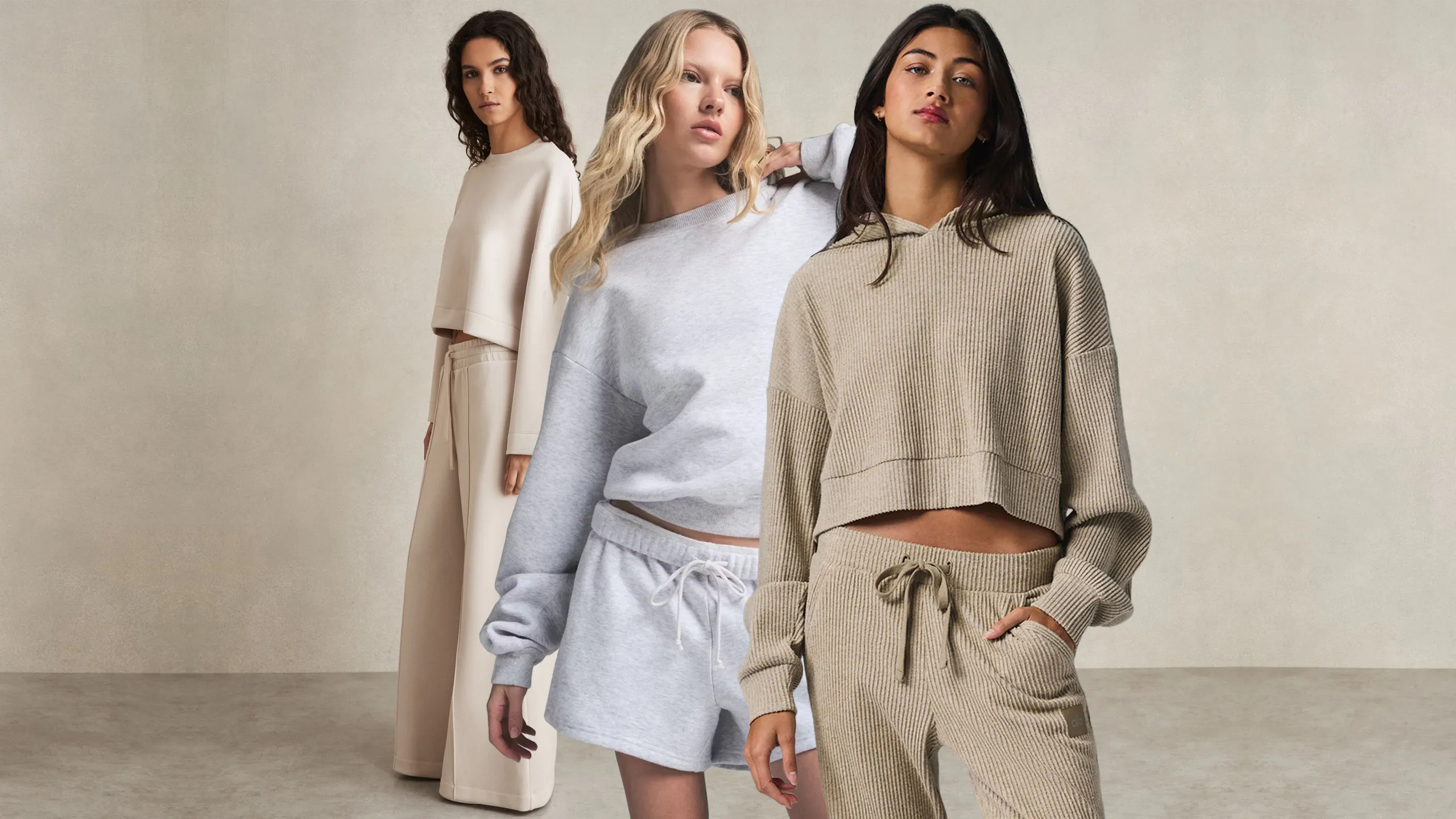
Pick products with proven demand.
Recommended starting lineup:
- Loungewear sets (top + bottom)
- Sweatpants
- Hoodies
- Basic T-shirts
Category Demand Table
| Product Type | Demand | Complexity |
|---|---|---|
| Matching sets | High | Medium |
| Sweatpants | High | Medium |
| Hoodies | High | Medium |
| T-shirts | High | Low |
Step 3: Select Fabrics That Drive Comfort & Retention
Fabric is the main reason customers reorder.
Best fabric choices:
| Fabric | Benefit |
|---|---|
| Cotton | Breathable, reliable |
| French Terry | Soft & structured |
| Fleece | Warm and cozy |
| Modal | Smooth and premium |
👉 Certified fabrics like OEKO-TEX® ensure quality and safety.
Fabric Insight
- Softness = repeat purchases
- Quality fabric = brand loyalty
Step 4: Build a Cohesive Collection (Not Random Products)
Your product line should feel connected.
Focus on:
- Consistent color palette
- Matching fabrics
- Similar fit styles
Collection Strategy
| Element | Goal |
|---|---|
| Colors | Cohesive |
| Fit | Consistent |
| Fabric | Unified |
Key Insight
A strong collection sells better than individual items.
Step 5: Work with the Right Manufacturer
Your manufacturer affects everything.
What to look for:
- Low MOQ options
- Fabric sourcing capability
- Reliable production timelines
- Clear communication
👉 A trusted partner like Bless Clothing can support both small batches and scaling.
Step 6: Sampling and Fit Development
Sampling is where you refine your product.
Test for:
- Fit accuracy
- Fabric comfort
- Durability
- Wash performance
Sampling Checklist
| Factor | Check |
|---|---|
| Fit | ✅ |
| Comfort | ✅ |
| Quality | ✅ |
Pro Insight
Fix issues at the sample stage—not after production.
Step 7: Pricing and Margin Planning
Your pricing strategy determines profitability.
Key factors:
| Cost Element | Impact |
|---|---|
| Fabric | High |
| Production | High |
| Branding | Medium |
Pricing Tip
- Start with competitive pricing
- Increase margins as brand grows
Step 8: Launch with a Test-and-Learn Strategy
Avoid large inventory risks.
Launch plan:
- Small batch production
- Focused marketing
- Collect customer feedback
Launch Strategy Table
| Stage | Focus |
|---|---|
| Launch | Test products |
| Feedback | Improve |
| Growth | Scale |
Step 9: Expand Based on Best Sellers
Let data guide your growth.
Scale strategy:
- Increase production of best sellers
- Add variations (colors, fabrics)
- Introduce new products gradually
Growth Framework
| Stage | Action |
|---|---|
| Test | Small batch |
| Optimize | Improve products |
| Scale | Expand line |
Loungewear Line Strategy Table
| Strategy Type | Risk | Investment | Scalability |
|---|---|---|---|
| Small launch | Low | Low | Medium |
| Full collection | High | High | High |
| Premium niche | Medium | Medium | High |
Common Mistakes Small Brands Make
Avoid these:
- Launching too many products
- Ignoring fabric quality
- Poor collection consistency
- Skipping sampling
Reality Insight
Most successful brands grow by:
Starting small and scaling what works
FAQs
1. How many products should I start with?
1–3 products is ideal.
2. What is the best loungewear product?
Matching sets and sweatpants.
3. How long does production take?
Typically 3–5 weeks.
4. Is loungewear profitable?
Yes, due to repeat purchases.
5. Should I use OEM or private label?
Start with private label, then scale to OEM.
Build a Scalable Loungewear Collection
To build a successful loungewear line:
- Focus on comfort and fabric
- Keep your collection cohesive
- Scale based on real demand
👉 Work with Bless Clothing to develop and grow your loungewear brand efficiently.
Final Insight
Small brands succeed in loungewear not by doing everything—but by doing a few things extremely well and consistently.