
Table of Contents
- Quick Answer
- Why Starting Small Is Smarter for New Clothing Brands
- Step 1: Build a Focused Brand Identity
- Step 2: Launch with a Small Product Line
- Step 3: Choose Products That Are Easy to Scale
- Step 4: Focus on Fabric and Product Quality First
- Step 5: Use Low MOQ Production to Reduce Risk
- Step 6: Why Sampling Matters Before Scaling
- Step 7: Build a Reliable Manufacturing System
- Step 8: Grow Through Customer Feedback and Data
- Step 9: Expand Product Categories Gradually
- Step 10: Scale with Consistency, Not Speed
- Small Launch vs Large Launch Comparison
- Common Scaling Mistakes New Brands Make
- FAQs
- How to Build a Scalable Fashion Brand
Quick Answer
The best way to grow a clothing brand is to:
- Start with a small product lineup
- Focus on quality and consistency
- Use low MOQ production
- Improve products based on customer feedback
- Scale gradually over time
👉 Bless Clothing helps brands launch safely and scale efficiently through flexible manufacturing and low MOQ production support.
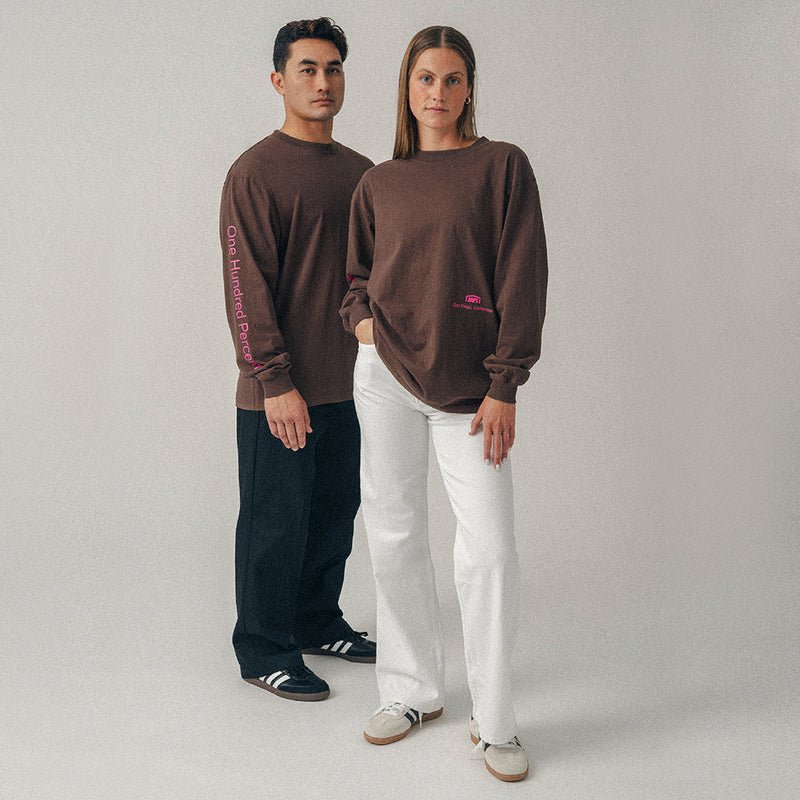
Why Starting Small Is Smarter for New Clothing Brands
From my experience, most successful fashion brands didn’t launch with huge collections.
They started with:
- A few strong products
- Clear branding
- Controlled production systems
Key Insight
Smaller launches create fewer production risks and more learning opportunities.
Step 1: Build a Focused Brand Identity
Before production begins, define your brand clearly.
Ask yourself:
- Who is your target customer?
- What problem does your brand solve?
- What makes your products different?
Brand Positioning Examples
| Brand Type | Core Focus |
|---|---|
| Minimal basics | Everyday essentials |
| Streetwear | Trend culture |
| Premium casual | Fabric and fit |
| Lifestyle | Comfort and versatility |
Practical Tip
Strong positioning helps customers immediately understand your brand.
Step 2: Launch with a Small Product Line
Many startups fail because they launch too many products too early.
Better strategy:
Start with:
- 1–3 hero products
- Simple designs
- Easy-to-manage inventory
Product Launch Comparison
| Launch Type | Risk Level |
|---|---|
| Small launch | Low |
| Large collection | High |
Key Insight
Smaller product lines allow brands to:
- Test faster
- Improve products quicker
- Reduce inventory pressure
Step 3: Choose Products That Are Easy to Scale
Your first products should be simple and repeatable.
Recommended categories:
- T-shirts
- Hoodies
- Sweatpants
- Loungewear sets
- Pajamas
Product Complexity Table
| Product Category | Complexity |
|---|---|
| T-shirts | Low |
| Hoodies | Medium |
| Technical wear | High |
Practical Insight
Simple products are easier to:
- Produce consistently
- Restock quickly
- Scale efficiently
Step 4: Focus on Fabric and Product Quality First
Product quality is more important than complicated design.
Common beginner-friendly fabrics:
| Fabric | Best Use |
|---|---|
| Cotton | Basics |
| French Terry | Casualwear |
| Modal Blend | Premium comfort |
| Fleece | Hoodies |
👉 Standards like OEKO-TEX® help improve fabric safety and consistency.
Reality Insight
Customers remember:
- Comfort
- Fit
- Fabric feel
more than graphic design alone.
Step 5: Use Low MOQ Production to Reduce Risk
Low MOQ production helps brands launch more safely.
Benefits include:
- Lower inventory pressure
- Reduced startup costs
- Easier product testing
MOQ Comparison
| Production Type | Typical MOQ |
|---|---|
| Traditional factory | 300–1000 pcs |
| Flexible production | 50–300 pcs |
Key Insight
Small production runs create flexibility and protect cash flow.
Step 6: Why Sampling Matters Before Scaling
Sampling helps brands improve products before larger production runs.
Sampling validates:
- Fit consistency
- Fabric quality
- Construction details
- Wash durability
Sample Checklist
| Factor | Check |
|---|---|
| Fit | ✅ |
| Comfort | ✅ |
| Construction | ✅ |
| Finishing | ✅ |
Practical Tip
Good sampling prevents expensive production problems later.
Step 7: Build a Reliable Manufacturing System
Scaling requires stable production systems.
Important manufacturing factors:
- Reliable communication
- Consistent production quality
- Stable lead times
- Organized QC systems
👉 Bless Clothing helps brands build scalable manufacturing systems from the beginning.
Manufacturing Comparison
| Reliable Manufacturer | Weak Manufacturer |
|---|---|
| Stable quality | Inconsistent products |
| Fast communication | Delayed updates |
| Scalable production | Production instability |
Step 8: Grow Through Customer Feedback and Data
The best product decisions come from real customer behavior.
Track:
- Best-selling products
- Customer reviews
- Return reasons
- Repeat purchase trends
Growth Strategy Table
| Data Type | Purpose |
|---|---|
| Best sellers | Scale winning products |
| Customer feedback | Improve quality |
| Return rates | Identify product issues |
Key Insight
Smart brands scale based on customer data—not assumptions.
Step 9: Expand Product Categories Gradually
Once your core products are stable, expand carefully.
Smart expansion examples:
| Existing Product | Next Category |
|---|---|
| T-shirts | Hoodies |
| Hoodies | Sweatpants |
| Pajamas | Loungewear sets |
Practical Insight
Gradual expansion improves:
- Inventory management
- Production stability
- Customer retention
Step 10: Scale with Consistency, Not Speed
Fast scaling without stable systems creates problems.
Sustainable scaling focuses on:
- Product consistency
- Reliable production
- Strong customer trust
Scaling Comparison
| Stable Scaling | Aggressive Scaling |
|---|---|
| Better retention | Higher risk |
| Predictable growth | Production pressure |
| Easier inventory flow | Overstock problems |
Key Insight
Long-term brands are built through stable systems, not fast growth alone.
Small Launch vs Large Launch Comparison
| Strategy Type | Risk | Investment | Scalability |
|---|---|---|---|
| Small launch | Low | Low | Medium |
| Large inventory | High | High | High |
| Gradual expansion | Medium | Medium | High |
Common Scaling Mistakes New Brands Make
Avoid these common mistakes:
- Scaling too quickly
- Ignoring product consistency
- Ordering excessive inventory
- Expanding product categories too early
Reality Insight
Many brands fail not because of poor marketing—but because they outgrow unstable production systems.
FAQs
1. What is the best way to start a clothing brand?
Launch with a small product line and scale gradually.
2. Why is low MOQ important?
It reduces inventory and financial risk.
3. What products are easiest to scale?
T-shirts, hoodies, and loungewear basics.
4. Why is consistency important for scaling?
Consistency improves customer trust and repeat purchases.
5. How does Bless Clothing help growing brands?
Through flexible manufacturing, low MOQ production, and scalable production systems.
How to Build a Scalable Fashion Brand
The strongest clothing brands usually scale by:
- Starting small
- Improving products consistently
- Building reliable production systems
- Growing through customer trust
👉 Work with Bless Clothing to simplify apparel manufacturing and support long-term brand growth.
Final Insight
Fashion brands scale successfully when they focus less on looking big early and more on building strong products, stable systems, and long-term customer loyalty.