
Table of Contents
- Quick Answer
- Why Most Startup Clothing Brands Struggle Before Production
- Step 1: Build a Clear Brand Direction
- Step 2: Understand Your Target Customer
- Step 3: Choose the Right Starter Products
- Step 4: Learn Basic Fabric Knowledge
- Step 5: Prepare Product References or Tech Packs
- Step 6: Understand Low MOQ Production
- Step 7: Why Sampling Matters Before Bulk Orders
- Step 8: Plan Your Budget and Inventory Carefully
- Step 9: Choose a Reliable Manufacturing Partner
- Step 10: Build Systems Before Scaling
- Startup Production Preparation Checklist
- Common Mistakes Startup Brands Make
- FAQs
- How Startup Brands Build Long-Term Success
Quick Answer
Before starting clothing manufacturing, startup brands need:
- Clear product direction
- Basic fabric knowledge
- Sampling preparation
- Low-risk inventory planning
- Reliable manufacturing support
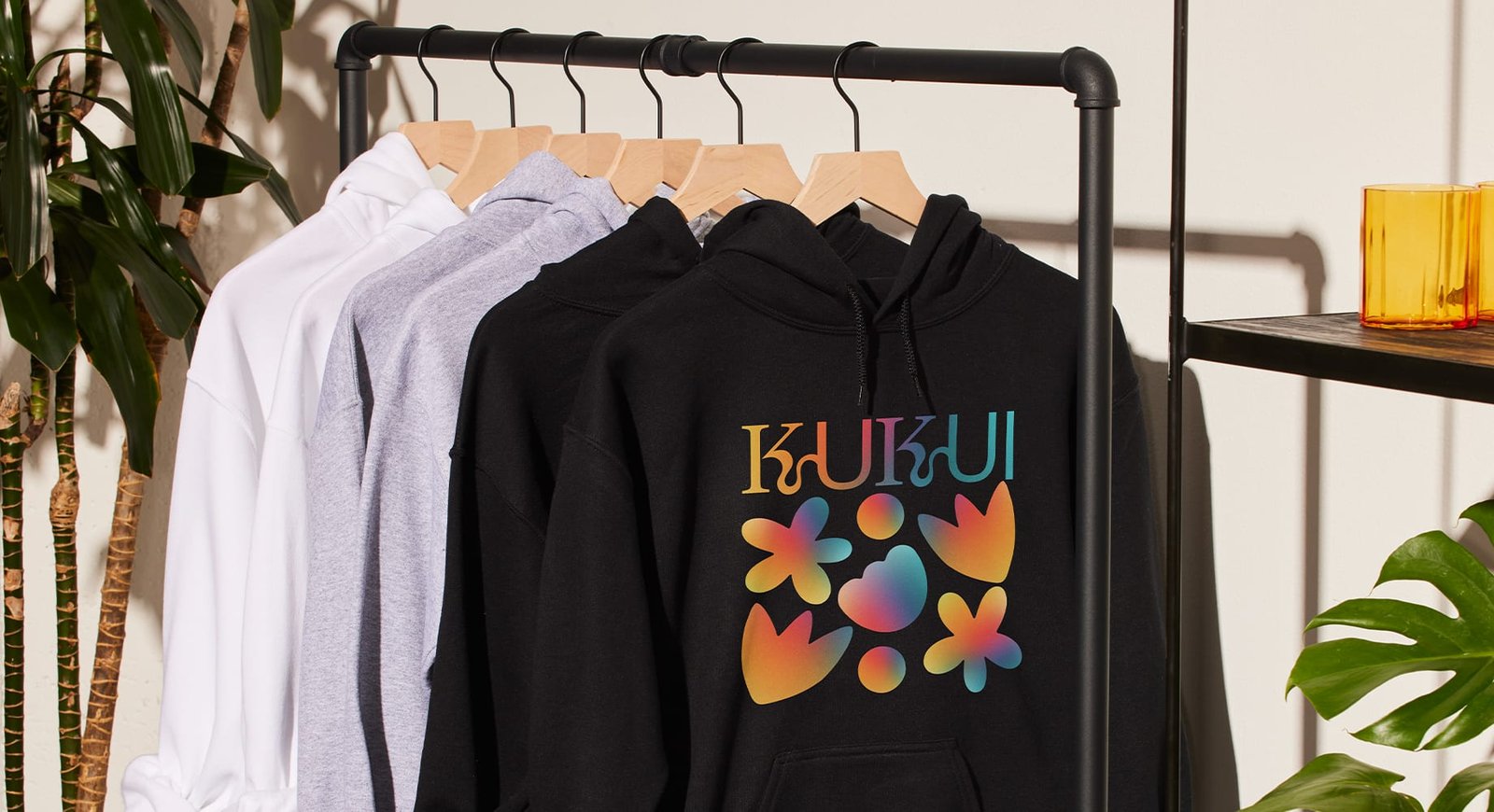
👉 Bless Clothing helps startup brands prepare for apparel production through low MOQ manufacturing, product development support, and flexible sampling services.
Why Most Startup Clothing Brands Struggle Before Production
From my experience, many startup brands focus too much on logos and social media before understanding how production actually works.
Common startup problems include:
- Unrealistic production expectations
- Poor inventory planning
- Weak product development
- Choosing factories based only on price
Key Insight
Successful fashion brands are built through organized production systems—not just creative ideas.
Step 1: Build a Clear Brand Direction
Before contacting manufacturers, define your brand clearly.
Important questions:
- What type of clothing are you selling?
- Who is your target customer?
- What makes your brand different?
Brand Positioning Examples
| Brand Type | Main Focus |
|---|---|
| Streetwear | Oversized fit and graphics |
| Minimal basics | Everyday comfort |
| Premium casual | Fabric quality |
Practical Tip
Brands with clear direction make:
- Better products
- Faster decisions
- More consistent collections
Step 2: Understand Your Target Customer
Your customer should guide:
- Product design
- Fabric selection
- Pricing strategy
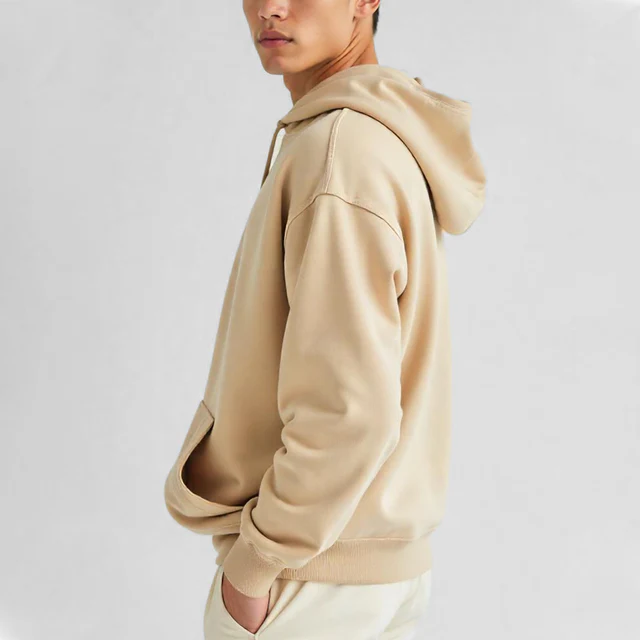
Customer Strategy Table
| Customer Type | Product Direction |
|---|---|
| Gen Z | Trend-driven streetwear |
| Lifestyle buyers | Comfortable basics |
| Premium customers | Elevated fabrics |
Key Insight
Products become easier to manufacture when the target customer is clearly defined.
Step 3: Choose the Right Starter Products
Many startup brands launch too many products too early.
Better beginner products include:
- T-shirts
- Hoodies
- Sweatpants
- Pajama sets
- Loungewear basics
Product Complexity Comparison
| Product Category | Complexity |
|---|---|
| T-shirts | Low |
| Hoodies | Medium |
| Technical wear | High |
Practical Insight
Simple products reduce:
- Production risk
- Sampling issues
- Inventory pressure
Step 4: Learn Basic Fabric Knowledge
Fabric quality directly affects customer satisfaction.
Common beginner-friendly fabrics:
| Fabric | Best Use |
|---|---|
| Cotton | T-shirts |
| French Terry | Sweatpants |
| Fleece | Hoodies |
| Modal Blend | Premium comfort |
👉 Certifications like OEKO-TEX® help improve fabric consistency and safety.
Fabric Insight
Customers immediately notice:
- Fabric softness
- Weight
- Comfort
- Durability
Step 5: Prepare Product References or Tech Packs
Manufacturers need clear product information.
Helpful preparation materials include:
- Product sketches
- Reference photos
- Size measurements
- Fabric preferences
- Print or embroidery details
Tech Pack Essentials
| Element | Importance |
|---|---|
| Measurements | Critical |
| Fabric details | High |
| Logo placement | High |
Practical Tip
Clear references improve:
- Communication
- Sampling accuracy
- Production efficiency
Step 6: Understand Low MOQ Production
Low MOQ production is important for startups.
Benefits include:
- Lower inventory risk
- Smaller upfront investment
- Easier product testing
MOQ Comparison
| Factory Type | Typical MOQ |
|---|---|
| Traditional factory | 300–1000 pcs |
| Flexible manufacturer | 50–300 pcs |
Key Insight
Small production runs create flexibility and reduce financial pressure.
Step 7: Why Sampling Matters Before Bulk Orders
Sampling helps brands validate products before mass production.
Sampling checks:
- Fit consistency
- Fabric quality
- Construction details
- Product finishing
Sample Evaluation Checklist
| Factor | Check |
|---|---|
| Fit | ✅ |
| Fabric feel | ✅ |
| Construction | ✅ |
| Wash performance | ✅ |
Practical Insight
Skipping proper sampling often leads to expensive production mistakes later.
Step 8: Plan Your Budget and Inventory Carefully
Many startups underestimate production costs.
Important budget categories:
- Sampling
- Bulk production
- Packaging
- Shipping
- Marketing
Budget Planning Table
| Expense Category | Priority |
|---|---|
| Product quality | Critical |
| Inventory | High |
| Packaging | Medium |
Key Insight
Controlled inventory protects:
- Cash flow
- Storage costs
- Startup flexibility
Step 9: Choose a Reliable Manufacturing Partner
The right manufacturer can simplify the entire process.
Good manufacturers provide:
- Clear communication
- Flexible MOQ options
- Product development support
- Stable production systems
👉 Bless Clothing supports startup brands through OEM and private label manufacturing solutions.
Manufacturer Comparison
| Reliable Manufacturer | Weak Manufacturer |
|---|---|
| Organized systems | Production delays |
| Clear timelines | Poor communication |
| Stable quality | Inconsistent products |
Step 10: Build Systems Before Scaling
Do not scale too quickly without stable production systems.
Focus on:
- Product consistency
- Reliable manufacturing
- Customer feedback
- Controlled inventory growth
Scaling Comparison
| Stable Scaling | Aggressive Scaling |
|---|---|
| Lower risk | Higher inventory pressure |
| Better consistency | Production instability |
| Easier cash flow | Higher financial risk |
Key Insight
Long-term brands grow through stable systems—not rapid expansion alone.
Startup Production Preparation Checklist
| Preparation Area | Ready? |
|---|---|
| Brand direction | ✅ |
| Product references | ✅ |
| Fabric planning | ✅ |
| Sampling budget | ✅ |
| Manufacturing partner | ✅ |
Common Mistakes Startup Brands Make
Avoid these common mistakes:
- Launching too many products
- Ignoring fabric quality
- Ordering excessive inventory
- Choosing manufacturers only based on price
Reality Insight
Many startup brands fail because they:
Focus more on appearance than production stability.
FAQs
1. What should startup brands prepare before production?
Brand direction, product references, fabric plans, and sampling preparation.
2. Why is low MOQ important?
It reduces inventory and financial risk.
3. What products are easiest for beginners?
T-shirts, hoodies, and loungewear basics.
4. Why is sampling necessary?
Sampling prevents production mistakes before bulk manufacturing.
5. How does Bless Clothing help startups?
Through low MOQ production, flexible sampling, and scalable manufacturing support.
How Startup Brands Build Long-Term Success
The strongest startup fashion brands usually focus on:
- Product quality
- Consistent manufacturing
- Smart inventory planning
- Long-term customer trust
👉 Work with Bless Clothing to simplify apparel manufacturing and support sustainable brand growth.
Final Insight
Startup clothing brands succeed when they treat manufacturing as a long-term business system instead of simply a way to produce products quickly.