
Table of Contents
- Quick Answer
- Why Understanding Bulk Production Matters
- What Happens Before Bulk Production Starts
- Step 1: Product Development and Tech Pack Confirmation
- Step 2: Fabric Sourcing and Approval
- Step 3: Sample Production and Revisions
- Step 4: Bulk Fabric Preparation
- Step 5: Fabric Cutting Process
- Step 6: Sewing and Garment Assembly
- Step 7: Printing, Embroidery, and Decoration
- Step 8: Washing and Finishing
- Step 9: Quality Control and Inspection
- Step 10: Packaging and Shipment Preparation
- How Long Bulk Clothing Production Usually Takes
- Bless Clothing vs Traditional Production Workflows
- FAQs
- Why Organized Production Builds Better Brands
Quick Answer
Bulk clothing production usually follows these stages:
- Product development
- Fabric sourcing
- Sampling
- Fabric cutting
- Sewing
- Printing or embroidery
- Quality control
- Packaging and shipping
👉 Bless Clothing supports brands through every stage of apparel manufacturing with low MOQ production, quality control systems, and scalable production support.
Why Understanding Bulk Production Matters
From my experience, many clothing brands struggle because they don’t fully understand how production works before placing orders.
Common production problems include:
- Delayed timelines
- Incorrect sizing
- Fabric inconsistency
- Inventory issues

Key Insight
Understanding the production workflow helps brands reduce mistakes and scale more safely.
What Happens Before Bulk Production Starts
Factories do not immediately begin sewing products after receiving designs.
Important preparation stages include:
- Tech pack review
- Fabric approval
- Sample confirmation
- Production scheduling
Production Preparation Table
| Preparation Area | Purpose |
|---|---|
| Tech pack review | Product accuracy |
| Fabric approval | Material consistency |
| Sampling | Validate quality |
| Timeline planning | Production organization |
Practical Insight
Most production success comes from preparation—not speed.
Step 1: Product Development and Tech Pack Confirmation
Every production order starts with detailed product information.
Typical tech pack details include:
- Measurements
- Fabric composition
- Logo placement
- Sewing instructions
- Color references
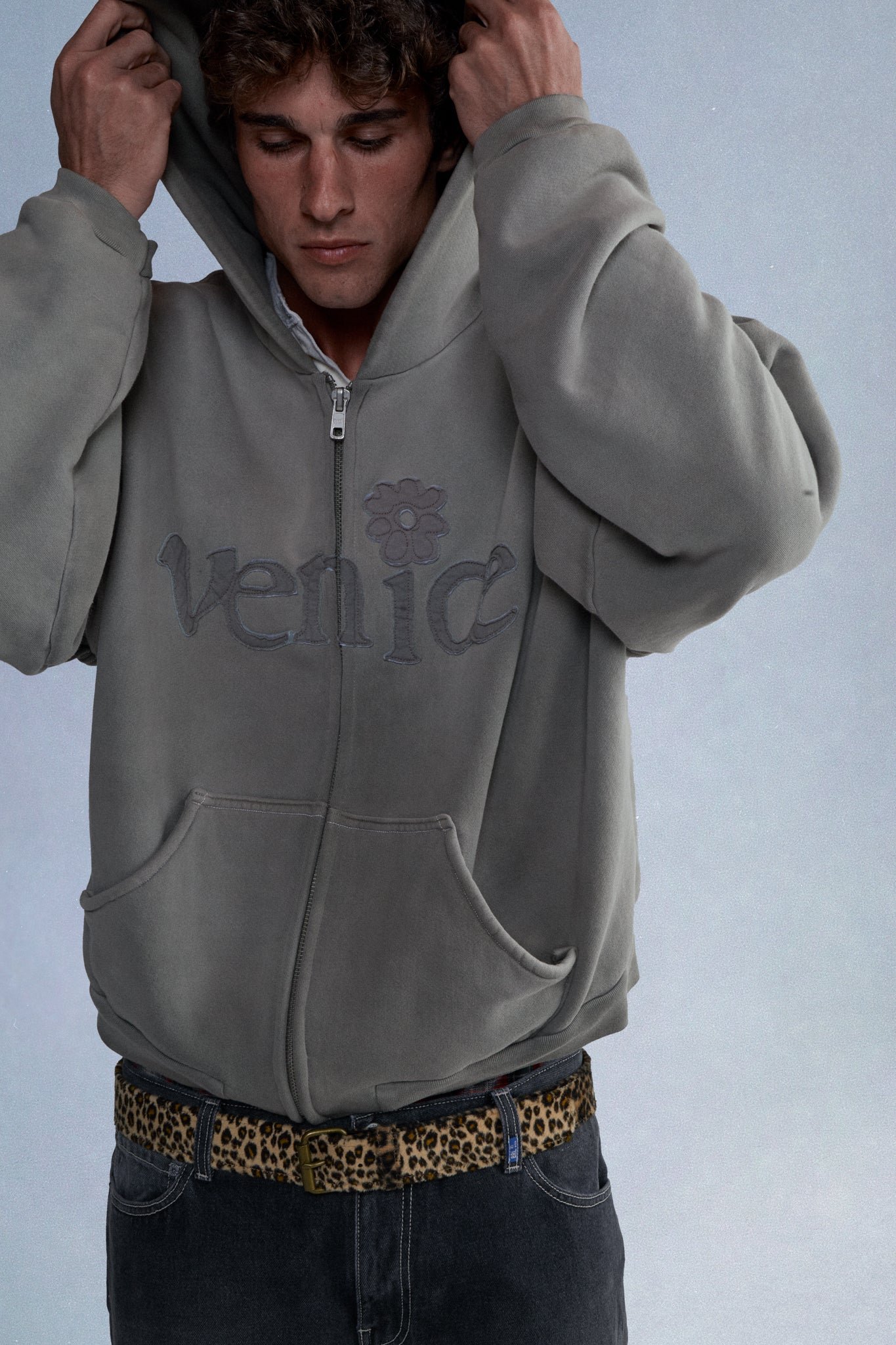
Tech Pack Importance
| Element | Importance |
|---|---|
| Measurements | Critical |
| Fabric details | High |
| Branding placement | High |
Key Insight
Clear product information reduces production mistakes significantly.
Step 2: Fabric Sourcing and Approval
Fabric sourcing begins after the product details are confirmed.
Common apparel fabrics:
| Fabric | Best Use |
|---|---|
| Cotton | T-shirts |
| French Terry | Sweatpants |
| Fleece | Hoodies |
| Modal Blend | Premium basics |
👉 Standards like OEKO-TEX® help improve fabric reliability and safety.
Fabric Inspection Includes:
- Color matching
- Weight testing
- Shrinkage review
- Surface inspection
Practical Tip
Fabric problems discovered late can delay the entire production schedule.
Step 3: Sample Production and Revisions
Factories usually create samples before bulk manufacturing begins.
Samples help confirm:
- Fit consistency
- Fabric feel
- Product construction
- Branding accuracy
Sample Review Checklist
| Factor | Check |
|---|---|
| Fit | ✅ |
| Construction | ✅ |
| Fabric quality | ✅ |
| Logo placement | ✅ |
Key Insight
Sampling reduces expensive production mistakes during bulk manufacturing.
Step 4: Bulk Fabric Preparation
Once samples are approved, factories prepare bulk materials.
Preparation includes:
- Fabric spreading
- Dye lot organization
- Material inspection
- Production planning
Fabric Preparation Goals
| Goal | Purpose |
|---|---|
| Fabric consistency | Stable quality |
| Accurate inventory | Reduce waste |
| Organized cutting prep | Improve efficiency |
Practical Insight
Good material preparation improves production stability.
Step 5: Fabric Cutting Process
Cutting transforms fabric into garment components.
Important cutting priorities:
- Measurement accuracy
- Fabric alignment
- Production efficiency
Cutting Workflow
| Cutting Stage | Purpose |
|---|---|
| Marker planning | Reduce fabric waste |
| Layer alignment | Consistent sizing |
| Precision cutting | Better garment assembly |
Key Insight
Small cutting errors can affect thousands of garments during production.
Step 6: Sewing and Garment Assembly
Sewing is where products begin taking final shape.
Common sewing operations:
- Sleeve attachment
- Pocket installation
- Neck rib sewing
- Hem finishing
Sewing Quality Factors
| Factor | Importance |
|---|---|
| Stitch consistency | High |
| Measurement accuracy | Critical |
| Seam durability | High |
Practical Insight
Consistent sewing quality strongly affects customer satisfaction.
Step 7: Printing, Embroidery, and Decoration
Branding is usually applied after garment assembly.
Common decoration methods:
| Decoration Type | Best Use |
|---|---|
| Screen printing | Graphic designs |
| Puff print | Streetwear |
| Embroidery | Premium branding |
| Heat transfer | Sportswear |
Branding Insight
Strong branding improves:
- Product identity
- Perceived value
- Customer recognition
Step 8: Washing and Finishing
Many garments go through finishing processes before packaging.
Common finishing techniques:
- Garment washing
- Softening treatments
- Vintage fading
- Shrink control
Finishing Benefits
| Process | Result |
|---|---|
| Washing | Softer feel |
| Shrink control | Better consistency |
| Finishing review | Cleaner appearance |
Key Insight
Finishing processes heavily influence how premium garments feel.
Step 9: Quality Control and Inspection
Quality control helps maintain production consistency.
Bless Clothing focuses on:
- Fabric QC
- Inline production checks
- Final garment inspection
👉 Ethical systems like BSCI help improve manufacturing organization and reliability.
QC Workflow
| QC Stage | Purpose |
|---|---|
| Fabric QC | Material consistency |
| Inline QC | Reduce defects |
| Final QC | Shipment approval |
Practical Tip
Strong QC systems reduce:
- Returns
- Production errors
- Customer complaints
Step 10: Packaging and Shipment Preparation
Packaging is the final production stage before delivery.
Common packaging elements:
- Poly bags
- Hang tags
- Folding standards
- Carton labeling
Packaging Priorities
| Packaging Area | Importance |
|---|---|
| Product protection | Critical |
| Brand presentation | High |
| Carton organization | Medium |
Key Insight
Good packaging improves customer perception immediately.
How Long Bulk Clothing Production Usually Takes
Production timelines vary depending on complexity and order size.
Typical production timeline:
| Production Stage | Average Timeline |
|---|---|
| Sampling | 7–14 days |
| Fabric preparation | 5–10 days |
| Bulk production | 20–35 days |
| Packaging & shipping | 5–10 days |
Practical Insight
Realistic production timelines help brands avoid launch delays.
Bless Clothing vs Traditional Production Workflows
| Feature | Traditional Factory | Bless Clothing |
|---|---|---|
| MOQ Flexibility | Limited | Flexible |
| Product Development | Basic | Full support |
| Communication | Slower | Faster |
| QC Systems | Standard | Structured |
| Production Scalability | Medium | High |
FAQs
1. What is the first stage of bulk clothing production?
Product development and tech pack confirmation.
2. Why are samples important before bulk production?
They help validate fit, fabric, and product quality.
3. Why is fabric inspection necessary?
Fabric problems affect the entire production process.
4. How long does bulk clothing production usually take?
Typically 20–35 days after sample approval.
5. How does Bless Clothing support bulk production?
Through low MOQ manufacturing, QC systems, and scalable production support.
Why Organized Production Builds Better Brands
The strongest apparel brands succeed because they understand how manufacturing actually works.
Long-term production success depends on:
- Organized systems
- Consistent quality
- Reliable communication
- Scalable production planning
👉 Work with Bless Clothing to simplify bulk apparel manufacturing and support sustainable brand growth.
Final Insight
Bulk clothing production is not simply about making garments quickly—it is about building reliable systems that maintain product consistency, reduce production risk, and help brands scale successfully over time.