
Complete guide to polo shirt fabrics, fits, and customization for B2B orders in 2026. Learn pique vs jersey, collar construction, and branding techniques.
- 1. Introduction
- 2. Key Factors & Market Overview
- 3. Detailed Analysis
- 4. Comparison Table
- 5. Expert Recommendations
- 6. Frequently Asked Questions
Understanding Polo Shirt Construction
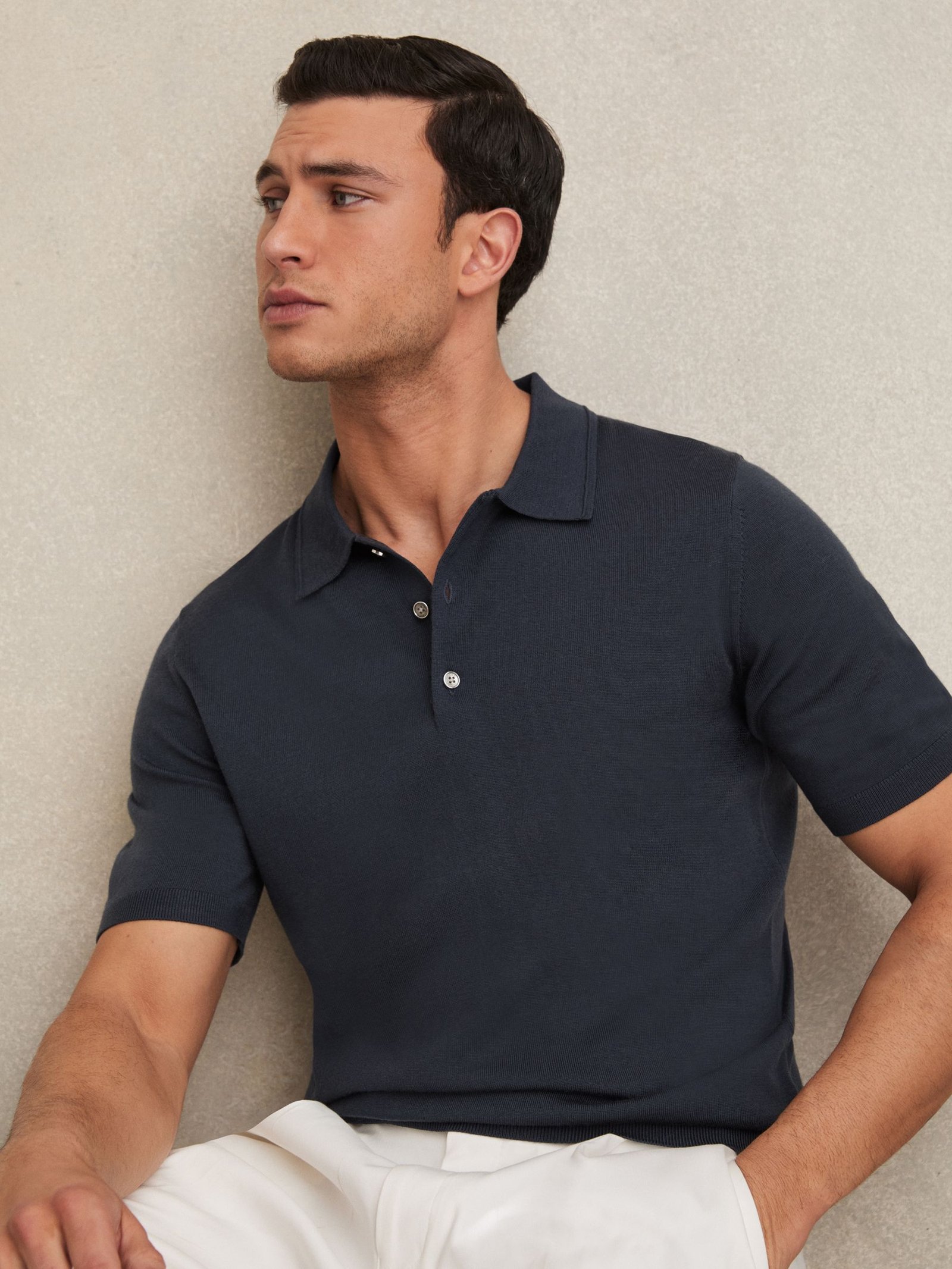
The polo shirt represents one of the most versatile garments in casual and business-casual wardrobes. For B2B buyers placing custom orders, understanding fabric options and construction details is essential to delivering products that meet client expectations. From corporate uniforms to retail fashion lines, polo shirts demand attention to fabric selection, collar construction, placket design, and finishing details.
Bless Clothing's expertise in custom t-shirts and polo production spans over a decade, serving clients across North America, Europe, and the Middle East. This guide covers everything B2B buyers need to know about polo shirt customization for their 2026 collections.
Pique vs Jersey: Choosing the Right Knit
The fundamental decision in polo shirt production is fabric construction. Pique knit features a waffle-like textured surface created by a specific knitting pattern that alternates raised and recessed areas. This construction provides natural breathability, wrinkle resistance, and the classic polo aesthetic. Pique fabric weights typically range from 180-240 GSM for standard polos.
Jersey knit, in contrast, features a smooth, flat surface with visible vertical rows on the front and horizontal rows on the back. The smoother texture makes jersey ideal for printed designs and a more modern, sleek appearance. Jersey polos typically use weights of 160-200 GSM. Bless Clothing sources both pique and jersey fabrics from certified mills, ensuring consistent quality across production runs. Our contact our team team can advise on the best fabric choice based on your target market and end-use application.
Cotton Blends and Performance Fabrics
Cotton pique remains the gold standard for classic polo shirts, offering breathability, comfort, and a premium feel. However, cotton-polyester blends (65/35 or 50/50) have gained popularity for their durability, shape retention, and reduced shrinkage. Tri-blend fabrics incorporating cotton, polyester, and rayon deliver exceptional softness and drape preferred by contemporary fashion brands.
The performance polo segment continues to grow, driven by demand in corporate uniform and athleisure markets. Moisture-wicking polyester, stretch cotton-spandex blends, and eco-friendly recycled polyester options provide functional benefits without sacrificing appearance. According to Statista Apparel Market Data, the performance polo segment grew 12% year-over-year in 2025, indicating strong market potential for B2B buyers.
| Fabric Type | GSM Range | Best For | Durability | Price Level | Breathability |
|---|---|---|---|---|---|
| Cotton Pique | 180-240 | Classic style | Good | Medium | Excellent |
| Cotton-Poly Blend | 170-220 | Everyday wear | Very Good | Low-Medium | Good |
| Tri-Blend | 130-180 | Premium soft | Moderate | High | Very Good |
| Performance Polyester | 140-180 | Sports/Active | Excellent | Medium | Excellent |
| Cotton-Spandex | 200-260 | Slim fit | Good | High | Good |
Collar Construction and Rib Details
The collar defines a polo shirt's identity. Self-fabric collars match the body fabric, creating a seamless look popular in fashion-forward designs. Rib-knit collars, the traditional choice, provide structure and durability through hundreds of wash cycles. Collar band height, point length, and spread angle all influence the overall aesthetic.
Bless Clothing offers multiple collar options including flat-knit rib collars, tipped collars with contrast inner bands, and structured collars with interlining for a premium dress-polo appearance. The cuff construction on sleeves should complement the collar style for a cohesive design. Our custom sweatshirts manufacturing expertise extends to polo shirts, ensuring consistent quality across your entire apparel line.
Placket Styles and Button Selection
The placket is a defining feature of polo shirts, with three primary styles available. The traditional two-button placket with rib-knit facing offers a classic, reliable design. Three-button plackets provide a more formal appearance suitable for dress polos. Hidden button-down plackets create a clean, modern look often preferred by contemporary brands.
Button material selection significantly impacts perceived quality. Mother-of-pearl buttons convey luxury, while urea resin buttons offer durability at an accessible price point. Laser-etched logo buttons provide subtle branding opportunities. Bless Clothing's supply chain management includes sourcing high-quality buttons and trims from trusted suppliers, ensuring your custom polos exceed expectations on every detail.
Fit Profiles for Target Markets
Fit is the most subjective yet crucial element of polo shirt design. Classic fit polos provide a relaxed silhouette with generous chest and waist measurements, ideal for the North American market. Slim fit or European cut polos feature closer body measurements and higher armholes, preferred in fashion-forward markets. Athletic fit polos offer broader shoulders and chest with a tapered waist for an active physique.
When ordering custom polos, always request size-set samples before full production. This allows you to verify measurements against your target demographic and make adjustments. Bless Clothing provides detailed spec sheets and graded size charts for each fit profile, with pre-production samples delivered within 10-14 days for approval. Industry standards for consistent sizing remain a key factor in customer satisfaction and return rates.
Branding and Customization Techniques
Embroidery remains the most popular branding technique for polo shirts, offering durability and a premium appearance. Direct embroidery on the left chest is the standard placement, with options for sleeve, back yoke, and collar embroidery. Digitized embroidery files ensure consistency across production runs, with thread color matching available through Pantone references.
Screen printing works well for larger back designs and all-over prints on jersey polos. Heat transfer and sublimation printing offer full-color capability for complex logos and artwork. Woven labels, jacquard-woven neck tapes, and custom hang tags complete the branded experience. Bless Clothing offers all these customization options through a single point of contact, simplifying the procurement process for B2B buyers. Contact our team to discuss your specific branding requirements and receive samples of each technique.
Sustainability and Ethical Production
Sustainability has become a key differentiator in the polo shirt market. Organic cotton, recycled polyester, and BCI-certified cotton options allow brands to meet growing consumer demand for environmentally responsible products. Certifications such as OEKO-TEX Standard 100, GOTS, and GRS provide third-party verification of sustainable practices.
Bless Clothing operates in compliance with international labor standards and environmental regulations. Our manufacturing facilities undergo regular third-party audits to maintain BSCI and ISO 9001 certifications. We provide full traceability documentation for clients whose market positioning requires verified sustainable sourcing. As WTO Trade Statistics continue to emphasize ethical production, partnering with certified manufacturers provides a competitive advantage in the B2B apparel sector.
Frequently Asked Questions
What is the typical MOQ for custom clothing orders
At Bless Clothing, the standard Minimum Order Quantity (MOQ) ranges from 50 to 300 pieces per design depending on the product type and fabric selection. For basic t-shirts and sweatshirts, MOQs start as low as 50 pieces. More complex items like jackets or items with multiple print locations may require 100-200 units. We understand that small and medium businesses need flexibility, which is why we offer tiered pricing structures that adjust as order volumes increase. Contact our team for a customized quote based on your specific requirements.
How long does production and shipping take
Production lead times at Bless Clothing typically range from 15 to 30 business days depending on order volume and product complexity. Standard shipping via sea freight takes approximately 15-25 days to major ports in North America and Europe. Air freight options are available for urgent orders, reducing transit time to 5-8 days. We provide regular updates throughout the production process and share tracking information once your order ships. Rush production services are available for time-sensitive projects at an additional fee.
Can I customize fabrics colors and labels
Yes, Bless Clothing offers comprehensive customization options including fabric selection, color matching, label design, hang tags, and packaging. We work with a wide range of materials including 100% cotton, cotton-polyester blends, organic cotton, bamboo fiber, and specialty performance fabrics. Our design team can help you develop custom trims, embroidered logos, screen printing, sublimation, and heat transfer applications. We provide free mockups and samples before proceeding with full production.
What quality control measures are in place
Quality control is a multi-stage process at Bless Clothing. We conduct fabric inspection upon receipt, inline quality checks during cutting and sewing, and a comprehensive final inspection before packaging. Each order undergoes AQL (Acceptable Quality Level) 2.5 standard inspection with detailed reporting. We use third-party inspection services upon request. All products come with a quality guarantee, and we address any issues promptly through our dedicated customer service team.
How do I get started with a custom order
Getting started is simple. Reach out through our contact form or email with your design concept, preferred materials, and estimated order quantity. Our team will respond within 24 hours with a detailed quote, timeline, and sample development plan. We guide you through every step from design finalization to delivery, making the process seamless even for first-time importers.