Complete B2B guide to custom jacket manufacturing in 2026. Covers fabric selection, construction methods, MOQ requirements, and pricing strategies for importers.
- 1. Introduction
- 2. Key Factors & Market Overview
- 3. Detailed Analysis
- 4. Comparison Table
- 5. Expert Recommendations
- 6. Frequently Asked Questions
The Custom Jacket Market Opportunity
Custom jackets represent a high-value segment in the B2B apparel market, with average unit prices ranging from $12 to $45 depending on construction complexity and materials. For brands and retailers, well-made custom jackets deliver strong margins and customer loyalty. The global outerwear market continues to expand, driven by athleisure trends, corporate uniform demand, and the growing streetwear segment.
Bless Clothing has established itself as a trusted partner for custom shorts and jacket manufacturing, with production capabilities spanning lightweight windbreakers, fleece jackets, softshell outerwear, and insulated puffer styles. This guide provides B2B buyers with comprehensive insights into the custom jacket manufacturing process.
Jacket Types and Construction Methods
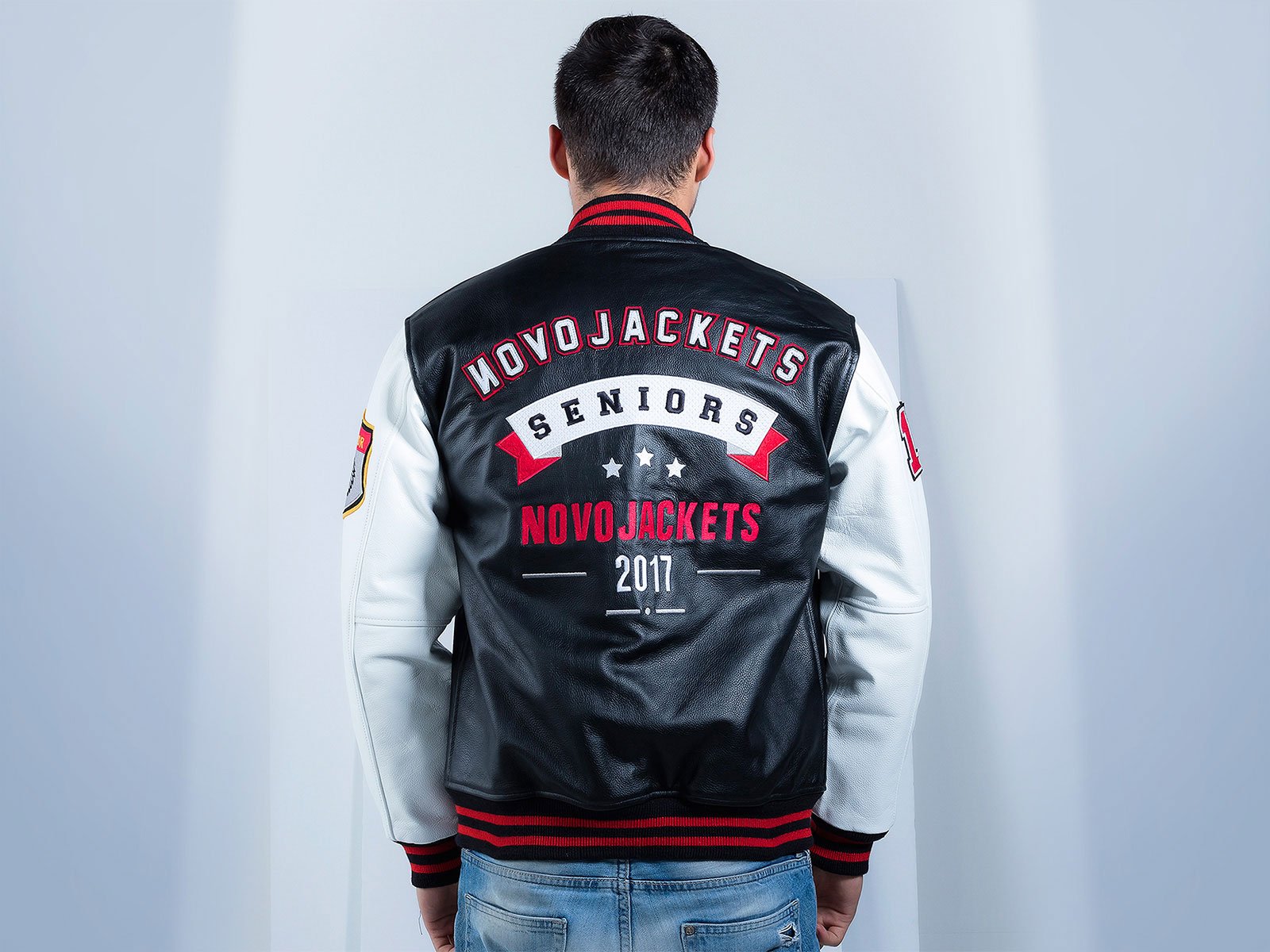
Understanding different jacket types is the first step in planning your custom production. Bomber jackets feature rib-knit collar, cuffs, and waistband with a front zipper closure. Their relatively simple construction makes them accessible for first-time custom orders. Coach jackets offer a minimalist design with a fold-down collar, snap-button front, and straight hem, popular in streetwear and promotional apparel.
Softshell jackets incorporate technical fabrics with water-resistant and windproof properties, requiring more complex seam sealing and construction techniques. Puffer jackets add insulation layers and quilting patterns that demand precise manufacturing control. At Bless Clothing, each jacket type has dedicated production lines with specialized equipment and trained operators, ensuring consistent quality regardless of style complexity. Our manufacturing capabilities cover the full spectrum of jacket construction from basic to technical.
| Jacket Type | Typical MOQ | Unit Price Range | Production Days | Complexity |
|---|---|---|---|---|
| Bomber Jacket | 100 pcs | $12-20 | 20-30 | Medium |
| Coach Jacket | 100 pcs | $10-18 | 18-25 | Low |
| Softshell Jacket | 150 pcs | $18-35 | 25-40 | High |
| Fleece Jacket | 100 pcs | $10-18 | 18-25 | Low-Medium |
| Puffer Jacket | 200 pcs | $20-45 | 30-45 | Very High |
Fabric Selection for Jackets
Fabric selection drives both the aesthetic and functional properties of custom jackets. Nylon taffeta provides a lightweight, water-resistant shell ideal for windbreakers and packable jackets. Polyester microfiber offers a soft hand feel with durability, commonly used in coach jackets and casual outerwear. Cotton twill creates a premium natural look but requires additional treatments for water resistance.
For performance applications, three-layer laminate fabrics combine an outer shell, waterproof membrane, and inner lining in a single material. The fleece category spans from lightweight microfleece (100-200 GSM) to heavy polar fleece (300+ GSM). Bless Clothing maintains relationships with fabric mills across China, providing access to thousands of material options. Our team can source specialty fabrics including recycled materials, organic cotton, and technical laminates to meet specific performance requirements.
Lining and Insulation Options
The interior of a jacket matters as much as the exterior. Mesh lining provides breathability for active jackets, while taffeta lining offers a smooth, easy-on feel for casual styles. Quilted lining adds warmth without bulk, and sherpa or fleece lining creates maximum coziness for cold-weather pieces.
For insulated jackets, buyers choose between down fill and synthetic alternatives. Down provides the best warmth-to-weight ratio but requires responsible sourcing certification. Synthetic insulation like Primaloft or Thinsulate performs better in wet conditions and costs less. The fill power rating for down (550-900) and gram weight for synthetic insulation determine warmth levels. Bless Clothing's product development team guides clients through these technical decisions, ensuring the final product meets both performance requirements and budget constraints. According to trade data from Statista Apparel Market Data, the synthetic insulation market has grown as brands prioritize animal welfare certifications.
Hardware and Trim Selection
Zippers, snaps, drawcords, and toggles form the hardware ecosystem of custom jackets. YKK zippers remain the global standard for reliability, available in multiple finishes including matte black, antique brass, and custom colors. SBS zippers offer a cost-effective alternative with good performance for mid-market products.
Drawcord systems at the hood and hem require consideration of cord material, toggle type, and eyelet reinforcement. Elastic cuffs with thumb loops add functional value for performance jackets. Bless Clothing sources hardware from reputable suppliers and can customize zipper pulls, snaps, and other hardware elements with your brand logo for a fully branded product. Our contact our team page is the fastest way to discuss your specific hardware requirements.
Customization and Branding Techniques
Embroidery on jackets requires consideration of fabric thickness and backing requirements. Puffy or quilted fabrics need special hooping and stabilizer techniques to prevent puckering. Screen printing works well on smooth-shell jackets but may require low-temperature curing for technical fabrics. Heat transfer applications, including reflective and glow-in-the-dark options, have gained popularity for streetwear and safety apparel.
Custom woven labels, debossed leather patches, and silicone badges create premium branding touchpoints. Inside neck labels, care labels, and hang tags complete the branded product experience. Bless Clothing offers comprehensive branding services with competitive pricing, leveraging our contact our team expertise to deliver fully customized jackets that strengthen your brand identity.
Pricing Strategy and Margin Optimization
Custom jacket pricing involves multiple cost components: fabric, labor, trims, packaging, and logistics. Understanding cost drivers helps B2B buyers optimize their purchasing strategy. Fabric typically represents 40-50% of total cost for basic jackets, with higher percentages for technical or specialty materials. Labor costs vary with construction complexity, with puffer and softshell jackets requiring approximately 2-3 times more labor hours than bomber jackets.
Volume pricing tiers significantly impact per-unit costs. Moving from 100 to 500 pieces can reduce per-unit costs by 15-25%. Ordering across multiple styles from the same manufacturer consolidates production runs and reduces changeover costs. Bless Clothing provides transparent cost breakdowns and volume discount schedules, helping buyers maximize their investment. Following industry standards for quality while maintaining competitive pricing remains our core commitment to B2B partners.
Quality Control and Compliance
Jacket quality control involves specific testing protocols beyond standard garment inspection. Seam strength testing, zipper cycle testing, and water resistance testing are essential for functional outerwear. Insulated jackets require fill distribution verification and thermal rating validation. Colorfastness testing under multiple conditions (washing, light exposure, perspiration) ensures long-term product satisfaction.
Regulatory compliance varies by destination market. CPSIA requirements apply to the US market, REACH regulations govern the European market, and various national standards apply elsewhere. Bless Clothing maintains current knowledge of international compliance requirements and can provide necessary documentation including test reports, certificates of origin, and material composition declarations. Our manufacturing capabilities include in-house testing equipment and relationships with accredited third-party laboratories for comprehensive compliance verification.
Frequently Asked Questions
What is the typical MOQ for custom clothing orders
At Bless Clothing, the standard Minimum Order Quantity (MOQ) ranges from 50 to 300 pieces per design depending on the product type and fabric selection. For basic t-shirts and sweatshirts, MOQs start as low as 50 pieces. More complex items like jackets or items with multiple print locations may require 100-200 units. We understand that small and medium businesses need flexibility, which is why we offer tiered pricing structures that adjust as order volumes increase. Contact our team for a customized quote based on your specific requirements.
How long does production and shipping take
Production lead times at Bless Clothing typically range from 15 to 30 business days depending on order volume and product complexity. Standard shipping via sea freight takes approximately 15-25 days to major ports in North America and Europe. Air freight options are available for urgent orders, reducing transit time to 5-8 days. We provide regular updates throughout the production process and share tracking information once your order ships. Rush production services are available for time-sensitive projects at an additional fee.
Can I customize fabrics colors and labels
Yes, Bless Clothing offers comprehensive customization options including fabric selection, color matching, label design, hang tags, and packaging. We work with a wide range of materials including 100% cotton, cotton-polyester blends, organic cotton, bamboo fiber, and specialty performance fabrics. Our design team can help you develop custom trims, embroidered logos, screen printing, sublimation, and heat transfer applications. We provide free mockups and samples before proceeding with full production.
What quality control measures are in place
Quality control is a multi-stage process at Bless Clothing. We conduct fabric inspection upon receipt, inline quality checks during cutting and sewing, and a comprehensive final inspection before packaging. Each order undergoes AQL (Acceptable Quality Level) 2.5 standard inspection with detailed reporting. We use third-party inspection services upon request. All products come with a quality guarantee, and we address any issues promptly through our dedicated customer service team.
How do I get started with a custom order
Getting started is simple. Reach out through our contact form or email with your design concept, preferred materials, and estimated order quantity. Our team will respond within 24 hours with a detailed quote, timeline, and sample development plan. We guide you through every step from design finalization to delivery, making the process seamless even for first-time importers.