
Table of Contents
- Quick Answer
- Why Overseas Clothing Production Is Growing
- What Overseas Apparel Manufacturing Actually Means
- Why Fashion Startups Choose Overseas Factories
- Reason 1: Lower Production Costs
- Reason 2: Access to More Manufacturing Expertise
- Reason 3: Better Fabric and Material Options
- Reason 4: Flexible MOQ Production for Startups
- Reason 5: Easier Product Customization
- Reason 6: Faster Product Development Support
- Reason 7: Scalable Production Capacity
- Reason 8: Stronger Supply Chain Networks
- Common Concerns About Overseas Clothing Production
- How Bless Clothing Supports Overseas Apparel Production
- Overseas vs Local Production Comparison Table
- FAQs
- Why Overseas Manufacturing Continues to Grow
Quick Answer
More fashion startups are choosing overseas clothing production because it offers:
- Lower manufacturing costs
- Flexible MOQ production
- Better customization options
- Scalable production capacity
- Stronger fabric sourcing networks
- More experienced apparel manufacturing systems
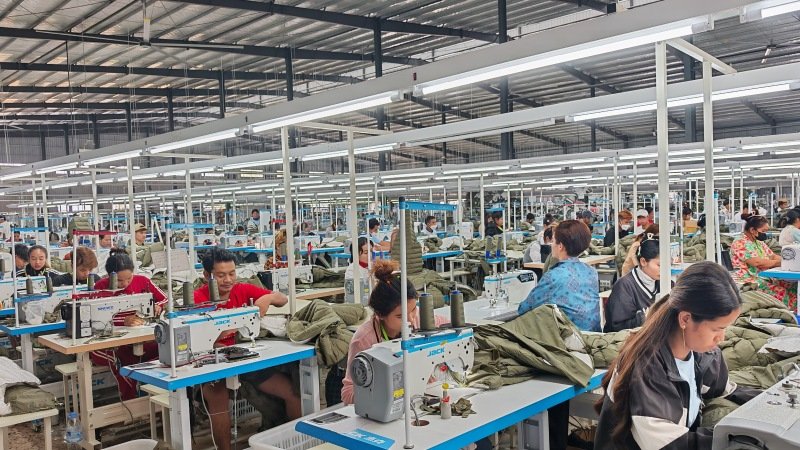
👉 Bless Clothing helps startup fashion brands manage overseas apparel production through organized workflows, low MOQ manufacturing, scalable production systems, and structured quality control support.
Why Overseas Clothing Production Is Growing
From my experience, many fashion startups now focus on building flexible and scalable business models instead of investing heavily in local manufacturing infrastructure.
Overseas clothing production helps brands:
- Reduce startup costs
- Launch products faster
- Access larger production systems
- Improve manufacturing flexibility
Key Insight
Overseas apparel manufacturing is no longer only about lower pricing. It is also about flexibility, scalability, and manufacturing specialization.
What Overseas Apparel Manufacturing Actually Means
Overseas production means working with manufacturers outside your home country.
Typical overseas production services include:
| Service Area | Purpose |
|---|---|
| Product development | Sampling and approvals |
| Fabric sourcing | Material preparation |
| Bulk manufacturing | Production scaling |
| Quality control | Product consistency |
| Logistics coordination | Shipping support |
Practical Insight
Modern overseas factories often provide complete apparel manufacturing systems instead of simple sewing services.
Why Fashion Startups Choose Overseas Factories
Startups often prioritize flexibility and lower operational risk.
Common startup priorities include:
- Lower inventory pressure
- Smaller startup budgets
- Faster product testing
- Flexible scaling opportunities
Startup Comparison
| Overseas Production | Local Production |
|---|---|
| Lower startup costs | Higher operating costs |
| More manufacturing options | Limited flexibility |
| Easier scaling | Smaller production capacity |
Key Insight
Many startups choose overseas production because it improves financial flexibility during early growth stages.
Reason 1: Lower Production Costs
Cost efficiency is one of the biggest reasons startups choose overseas production.
Lower costs often include:
- Labor costs
- Material sourcing
- Production scaling
- Factory overhead
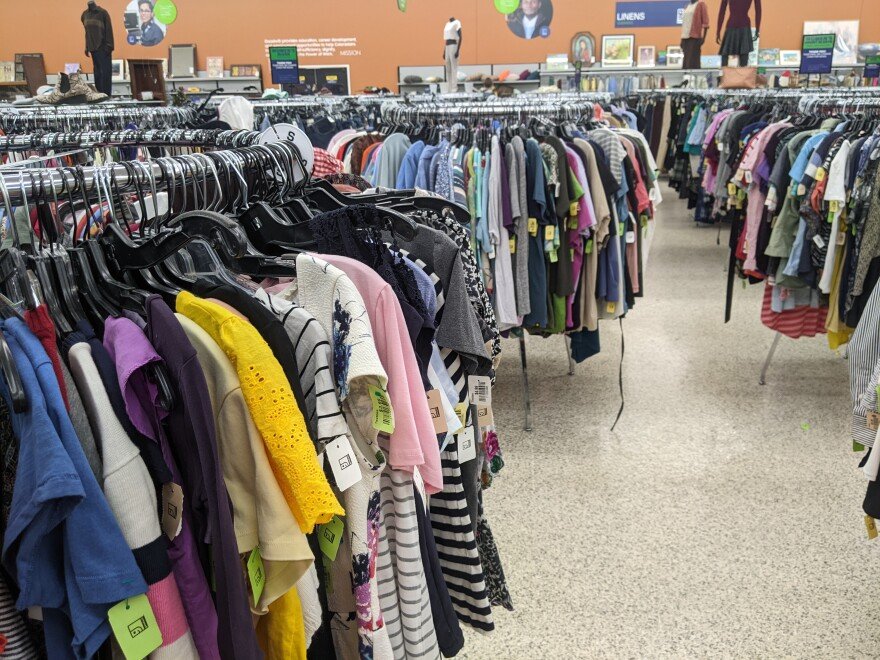
Cost Comparison
| Overseas Manufacturing | Local Manufacturing |
|---|---|
| Lower unit cost | Higher unit cost |
| Better scaling flexibility | Higher operating expenses |
| Easier inventory control | Larger financial pressure |
Practical Insight
Lower production costs help startups invest more into branding and marketing.
Reason 2: Access to More Manufacturing Expertise
Many overseas manufacturers specialize in apparel production systems.
Specialized manufacturing areas include:
- Streetwear
- Loungewear
- Activewear
- Custom casualwear
Expertise Comparison
| Specialized Factory | General Production |
|---|---|
| Better apparel knowledge | Limited specialization |
| Faster workflows | Slower development |
| Better scalability | Lower efficiency |
Key Insight
Experienced manufacturers usually reduce product development mistakes significantly.
Reason 3: Better Fabric and Material Options
Large overseas manufacturing regions often have stronger textile supply chains.
Common fabric advantages include:
- Larger material selection
- Faster sourcing
- Better customization
- More pricing flexibility
Common apparel fabrics:
| Fabric | Production Advantage |
|---|---|
| Cotton jersey | Easier sourcing |
| French Terry | Scalable production |
| Heavy fleece | Better supplier networks |
| Modal blends | Premium sourcing support |
👉 Standards like OEKO-TEX® help improve fabric consistency and material reliability.
Practical Insight
Strong fabric sourcing systems improve both product quality and manufacturing efficiency.
Reason 4: Flexible MOQ Production for Startups
Low MOQ production helps startups reduce financial risk.
Low MOQ advantages include:
| Advantage | Benefit |
|---|---|
| Smaller inventory | Lower startup pressure |
| Easier product testing | Faster market validation |
| Better flexibility | Controlled scaling |
MOQ Comparison
| Traditional Production | Flexible MOQ Production |
|---|---|
| Higher inventory risk | Easier scaling |
| Larger startup cost | Better flexibility |
| Slower testing | Faster adaptation |
Key Insight
Flexible MOQ systems are especially important for first-time fashion brands.
Reason 5: Easier Product Customization
Customization is increasingly important for startup fashion brands.
Common customization areas include:
- Custom fabrics
- Printing
- Embroidery
- Packaging
- Private labeling
Customization Comparison
| Strong Customization Systems | Limited Customization |
|---|---|
| Better brand identity | Generic products |
| More product differentiation | Lower flexibility |
| Easier scaling | Limited uniqueness |
Practical Insight
Customized products help startups compete more effectively in crowded markets.
Reason 6: Faster Product Development Support
Overseas manufacturers often provide complete development support.
Development services include:
- Sampling
- Pattern development
- Fabric suggestions
- Production guidance
Development Comparison
| Organized Development | Weak Development |
|---|---|
| Faster approvals | Repeated revisions |
| Better workflow | Production confusion |
| Easier scaling | Product delays |
Key Insight
Strong product development systems improve startup efficiency significantly.
Reason 7: Scalable Production Capacity
Scaling production becomes easier with organized overseas systems.
Scaling advantages include:
- Larger production capacity
- Better workflow organization
- Faster inventory replenishment
- Easier reorder management
Scaling Comparison
| Scalable Systems | Limited Systems |
|---|---|
| Easier growth | Capacity pressure |
| Better reorder support | Inventory problems |
| Stable production | Delays |
Practical Insight
Startups usually need scalable systems as order volumes increase.
Reason 8: Stronger Supply Chain Networks
Overseas manufacturing regions often have stronger apparel ecosystems.
Supply chain support includes:
- Fabric suppliers
- Printing facilities
- Packaging suppliers
- Logistics coordination
Supply Chain Comparison
| Strong Supply Chains | Weak Supply Chains |
|---|---|
| Better efficiency | Delays |
| Faster sourcing | Material shortages |
| Better scalability | Workflow instability |
👉 Ethical systems like BSCI help improve operational organization and manufacturing reliability.
Key Insight
Strong supply chain systems improve overall production stability.
Common Concerns About Overseas Clothing Production
Some startups worry about:
- Communication
- Product consistency
- Shipping delays
- Quality control
However, organized manufacturing systems reduce many of these risks.
Risk Comparison
| Organized Production Systems | Weak Production Systems |
|---|---|
| Better communication | Workflow confusion |
| Stronger QC | Product inconsistency |
| Easier scaling | Production delays |
Practical Insight
Most overseas production problems happen because of weak organization—not location alone.
How Bless Clothing Supports Overseas Apparel Production
Bless Clothing supports fashion startups through:
- Low MOQ production
- Structured QC systems
- Organized product development
- Fabric sourcing support
- Scalable apparel manufacturing systems
Bless Clothing Support Table
| Support Area | Startup Benefit |
|---|---|
| Product development | Faster approvals |
| Fabric sourcing | Better consistency |
| QC systems | Lower production risk |
| Flexible manufacturing | Easier scaling |
Overseas vs Local Production Comparison Table
| Overseas Production | Local Production |
|---|---|
| Lower manufacturing costs | Higher operating costs |
| Flexible MOQ production | Higher inventory pressure |
| Better scalability | Limited production capacity |
| Larger fabric networks | Smaller sourcing options |
| Stronger customization support | Limited flexibility |
FAQs
1. Why are more fashion startups choosing overseas production?
Because it offers lower costs, flexible MOQ systems, scalable manufacturing, and stronger supply chain support.
2. Is overseas clothing production only about saving money?
No. Many startups also choose it for flexibility, customization, and production scalability.
3. Why are low MOQ systems important for startups?
They reduce inventory risk and improve financial flexibility.
4. What are the biggest overseas production concerns?
Communication, quality control, and logistics coordination.
5. How does Bless Clothing support overseas apparel production?
Through scalable manufacturing systems, organized workflows, structured QC processes, and low MOQ production support.
Why Overseas Manufacturing Continues to Grow
The fashion industry is becoming increasingly global and flexible.
Overseas production continues growing because it offers:
- Better manufacturing scalability
- Stronger fabric sourcing systems
- Lower operational pressure
- More flexible production models
- Faster product development support
👉 Work with Bless Clothing to improve overseas apparel production efficiency through scalable manufacturing systems, organized product development workflows, and reliable clothing production support.
Final Insight
More fashion startups are choosing overseas clothing production because modern apparel manufacturing is no longer only about location. It is increasingly about flexibility, scalability, organization, and the ability to adapt quickly in competitive fashion markets.