
Table of Contents
- Quick Answer
- Why Professional Branding Matters Early
- What Makes a Clothing Brand Look Professional
- Why Many Startup Clothing Brands Look Unpolished
- Step 1: Build a Clear Brand Identity
- Step 2: Focus on Product Consistency
- Step 3: Use Better Fabrics and Materials
- Step 4: Create Professional Product Presentation
- Step 5: Improve Branding and Packaging
- Step 6: Develop Consistent Sizing and Fit
- Step 7: Build a Professional Website and Online Presence
- Step 8: Work With Reliable Manufacturing Partners
- Step 9: Create a More Organized Customer Experience
- How Bless Clothing Helps Brands Look More Professional
- Professional vs Unprofessional Brand Comparison Table
- FAQs
- Why Professional Systems Help Fashion Brands Grow Faster
Quick Answer
A clothing brand looks professional from the start when it focuses on:
- Clear brand identity
- Product consistency
- Better fabric quality
- Organized packaging
- Reliable manufacturing
- Strong customer experience
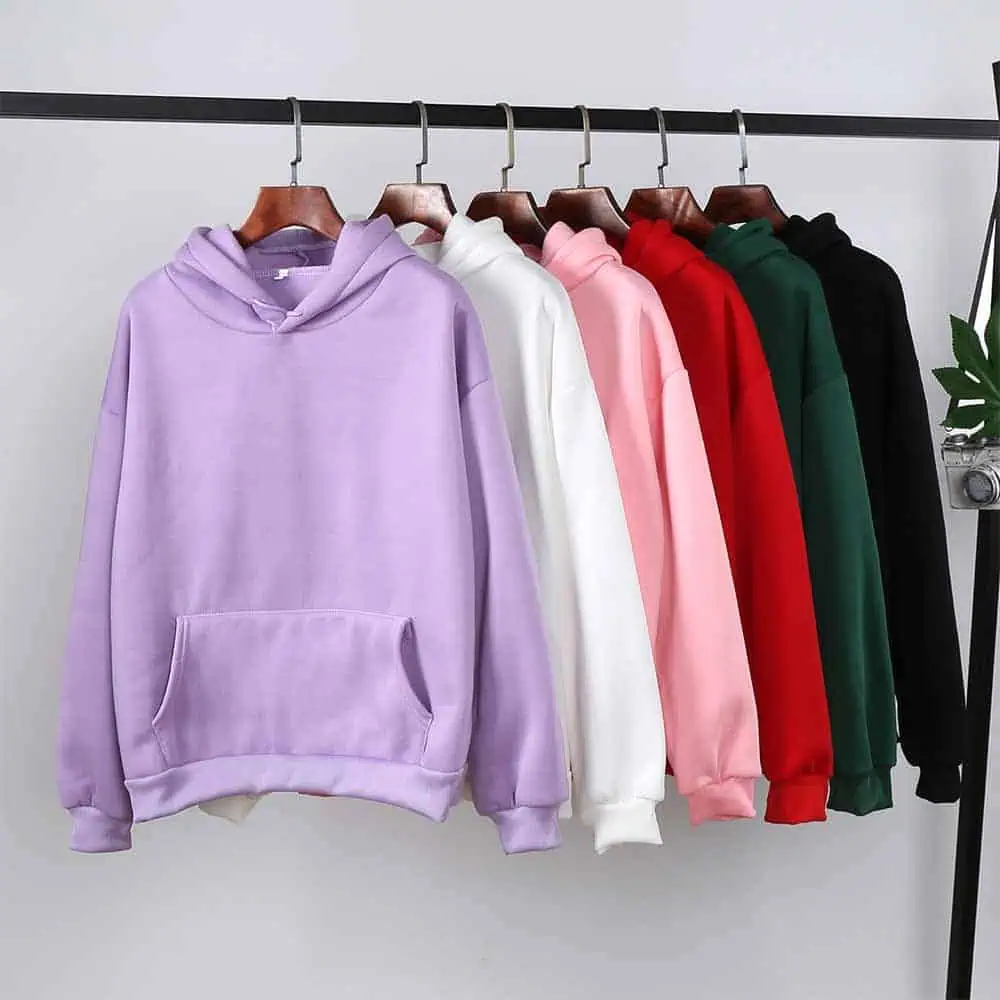
👉 Bless Clothing helps startup fashion brands look more professional through scalable apparel manufacturing systems, low MOQ production, organized product development, and structured quality control support.
Why Professional Branding Matters Early
From my experience, customers often judge a clothing brand within seconds.
Professional presentation helps brands:
- Build trust faster
- Improve customer confidence
- Increase repeat purchases
- Create stronger brand identity
Key Insight
Professional brands usually focus on consistency more than complexity.
What Makes a Clothing Brand Look Professional
Professional fashion brands usually combine:
- Consistent product quality
- Strong visual identity
- Organized branding
- Better presentation systems
Professional Brand Elements
| Brand Area | Professional Focus |
|---|---|
| Products | Consistency |
| Packaging | Clean presentation |
| Website | Organized design |
| Manufacturing | Reliable quality |
Practical Insight
Professionalism is usually created through details rather than expensive branding alone.
Why Many Startup Clothing Brands Look Unpolished
Many startup brands focus too heavily on logos while ignoring operational consistency.
Common startup mistakes include:
| Problem | Result |
|---|---|
| Weak product quality | Lower customer trust |
| Inconsistent branding | Confused identity |
| Poor packaging | Cheap presentation |
| Weak manufacturing systems | Product variation |
Key Insight
Customers notice inconsistency faster than most startups expect.
Step 1: Build a Clear Brand Identity
Strong fashion brands usually have a recognizable identity.
Important brand identity areas include:
- Brand tone
- Visual direction
- Product positioning
- Target audience focus
Brand Identity Comparison
| Clear Identity | Weak Identity |
|---|---|
| Stronger recognition | Confused branding |
| Better customer trust | Generic appearance |
| Easier marketing | Weak positioning |
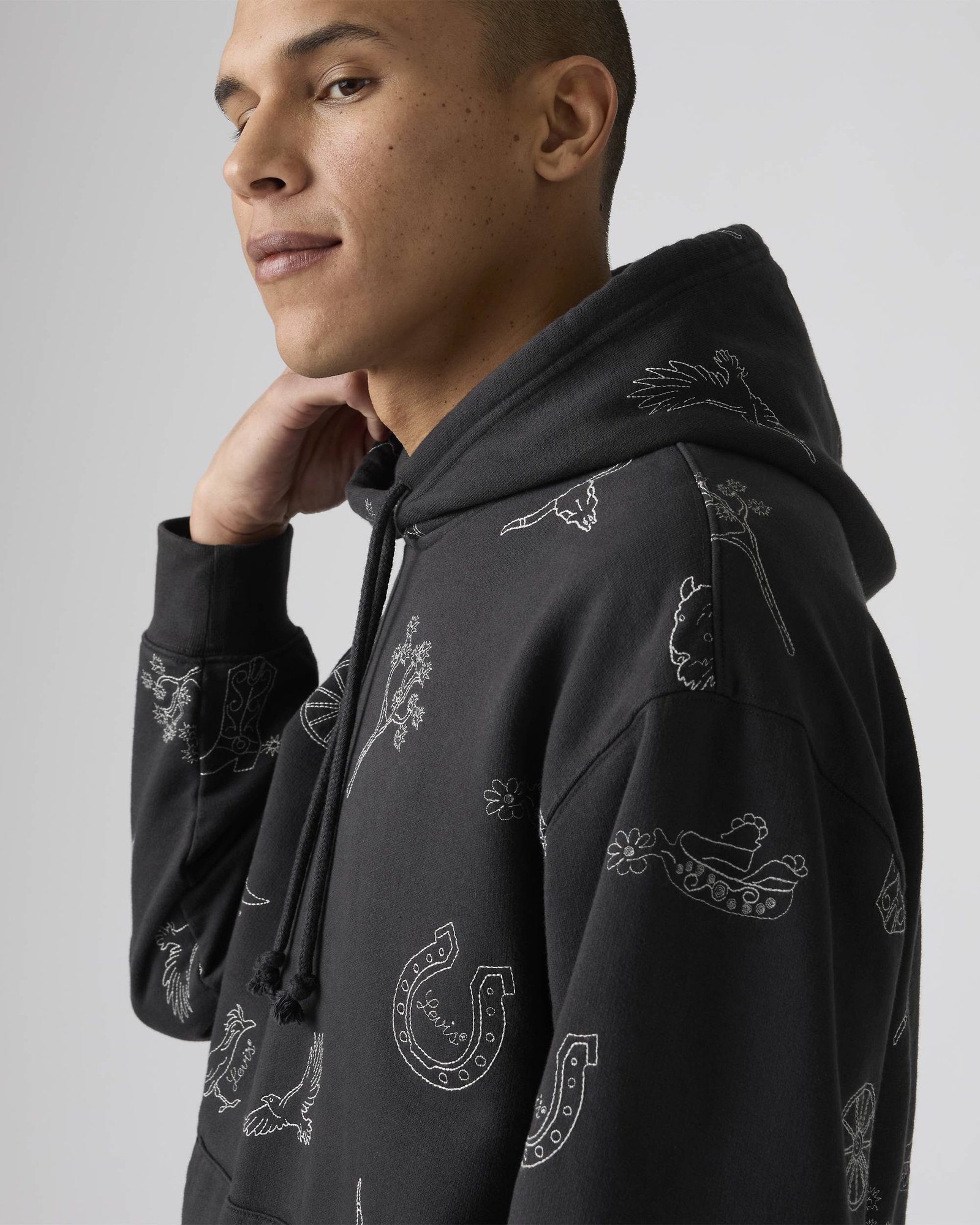
Practical Insight
Simple and consistent branding usually looks more premium than overly complicated designs.
Step 2: Focus on Product Consistency
Consistency strongly affects perceived professionalism.
Important consistency areas include:
- Fabric quality
- Fit accuracy
- Color consistency
- Logo placement
Product Consistency Comparison
| Consistent Products | Inconsistent Products |
|---|---|
| Better customer trust | More complaints |
| Stronger reputation | Product confusion |
| Easier scaling | Brand instability |
Key Insight
Professional brands make products feel predictable and reliable.
Step 3: Use Better Fabrics and Materials
Fabric quality immediately affects how professional a brand feels.
Important fabric factors include:
- Fabric weight
- Texture
- Durability
- Wash performance
Common apparel fabrics:
| Fabric | Brand Impression |
|---|---|
| Cotton jersey | Clean casualwear |
| French Terry | Premium comfort |
| Heavy fleece | Structured streetwear |
| Modal blends | Soft premium feel |
👉 Standards like OEKO-TEX® help improve fabric quality and product reliability.
Practical Insight
Customers often judge product quality first through fabric feel and construction.
Step 4: Create Professional Product Presentation
Presentation strongly affects brand perception.
Important presentation areas include:
- Product photography
- Consistent lighting
- Clear product descriptions
- Organized collections
Presentation Comparison
| Professional Presentation | Weak Presentation |
|---|---|
| Higher perceived value | Lower trust |
| Better conversion rates | Confused customers |
| Stronger branding | Generic appearance |
Key Insight
Even strong products can look weak with poor presentation.
Step 5: Improve Branding and Packaging
Packaging helps reinforce brand identity.
Important branding areas include:
- Woven labels
- Hangtags
- Poly bags
- Packaging consistency
Packaging Comparison
| Professional Packaging | Weak Packaging |
|---|---|
| Better unboxing experience | Cheap appearance |
| Stronger identity | Lower perceived value |
| More customer trust | Forgettable branding |
Practical Insight
Simple, clean packaging often looks more premium than overly complicated designs.
Step 6: Develop Consistent Sizing and Fit
Sizing consistency affects long-term brand trust.
Important fit systems include:
- Accurate measurements
- Stable patterns
- Fabric consistency
- Wash testing
Fit Comparison
| Consistent Fit | Inconsistent Fit |
|---|---|
| Better customer loyalty | More returns |
| Stronger reputation | Customer frustration |
| Easier scaling | Brand instability |
Key Insight
Professional brands make repeat purchases easier and safer for customers.
Step 7: Build a Professional Website and Online Presence
Modern brands are judged heavily online.
Important online branding areas include:
- Website organization
- Mobile optimization
- Product page consistency
- Social media alignment
Website Comparison
| Professional Website | Weak Website |
|---|---|
| Higher customer trust | Lower credibility |
| Better conversions | Confused visitors |
| Stronger branding | Generic appearance |
Practical Insight
Customers often connect website quality with product quality.
Step 8: Work With Reliable Manufacturing Partners
Manufacturing quality strongly affects brand professionalism.
Reliable manufacturers help with:
- Product consistency
- Quality control
- Fabric sourcing
- Production stability
Manufacturing Comparison
| Reliable Manufacturing | Weak Manufacturing |
|---|---|
| Better consistency | Product variation |
| Easier scaling | Production problems |
| Stronger brand image | Customer complaints |
👉 Ethical systems like BSCI help improve manufacturing organization and operational reliability.
Key Insight
Professional brands usually rely on organized manufacturing systems behind the scenes.
Step 9: Create a More Organized Customer Experience
Professional brands focus on the full customer journey.
Important customer experience areas include:
- Faster communication
- Organized order updates
- Consistent delivery experience
- Better after-sales support
Customer Experience Comparison
| Organized Experience | Weak Experience |
|---|---|
| Better customer trust | Lower loyalty |
| Stronger reputation | More complaints |
| Easier brand growth | Customer confusion |
Practical Insight
Professionalism is often remembered through customer experience rather than logos alone.
How Bless Clothing Helps Brands Look More Professional
Bless Clothing supports startup fashion brands through:
- Organized product development
- Low MOQ manufacturing
- Structured QC systems
- Fabric sourcing support
- Scalable apparel production systems
Bless Clothing Support Table
| Support Area | Professional Brand Benefit |
|---|---|
| Product development | Better consistency |
| Fabric sourcing | Improved quality |
| QC systems | Reliable products |
| Manufacturing systems | Easier scaling |
Professional vs Unprofessional Brand Comparison Table
| Professional Brand | Unprofessional Brand |
|---|---|
| Consistent products | Product variation |
| Organized branding | Confused identity |
| Better fabrics | Cheap materials |
| Strong customer experience | Weak communication |
| Reliable manufacturing | Production inconsistency |
FAQs
1. What makes a clothing brand look professional?
Consistency, strong branding, better product quality, and organized customer experience.
2. Why is product consistency important?
Customers trust brands that deliver predictable quality and fit.
3. Does packaging affect brand perception?
Yes. Packaging strongly influences perceived product value and professionalism.
4. Why is manufacturing important for startup brands?
Reliable manufacturing improves product consistency, scalability, and customer trust.
5. How does Bless Clothing help brands look more professional?
Through scalable manufacturing systems, organized workflows, structured QC processes, and fabric sourcing support.
Why Professional Systems Help Fashion Brands Grow Faster
The strongest fashion brands usually look professional because they focus on systems—not only aesthetics.
Long-term brand professionalism depends on:
- Product consistency
- Reliable manufacturing
- Better presentation
- Organized customer experience
- Strong operational systems
👉 Work with Bless Clothing to improve brand professionalism through scalable apparel manufacturing systems, organized product development workflows, and reliable clothing production support.
Final Insight
Professional fashion brands are rarely built through logos alone. The brands that grow successfully are usually the ones that create consistency across products, branding, communication, manufacturing, and customer experience from the very beginning.